
Introduction to Brass Jewelry Fabrication Costs
Brass jewelry has experienced a massive resurgence in the 2026 market, favored for its warm, gold-like aesthetic and accessible price point. However, for jewelers and DIY electronics enthusiasts crossing over into metal fabrication, soldering brass jewelry presents unique metallurgical and financial challenges. Unlike sterling silver, which flows predictably with standard hard and easy solders, brass is an alloy of copper and zinc. This zinc content drastically alters the thermal dynamics of the soldering process, requiring specialized equipment, specific consumables, and stringent safety protocols.
This comprehensive cost analysis breaks down the exact capital expenditures, ongoing consumable costs, and hidden overhead associated with setting up a brass soldering station. Whether you are a hobbyist looking to repair vintage brass pieces or a professional studio scaling up production, understanding these financial variables is critical for maintaining profitability and joint integrity.
Capital Expenditure: Torch Systems and Gas Infrastructure
The most significant upfront cost in any jewelry soldering setup is the torch system. Brass requires a highly concentrated, reducing flame to bring the metal to temperature quickly before the zinc begins to vaporize. Your choice of fuel will dictate both your initial budget and your ongoing operational costs.
Entry-Level Propane vs. Professional Oxy-Acetylene
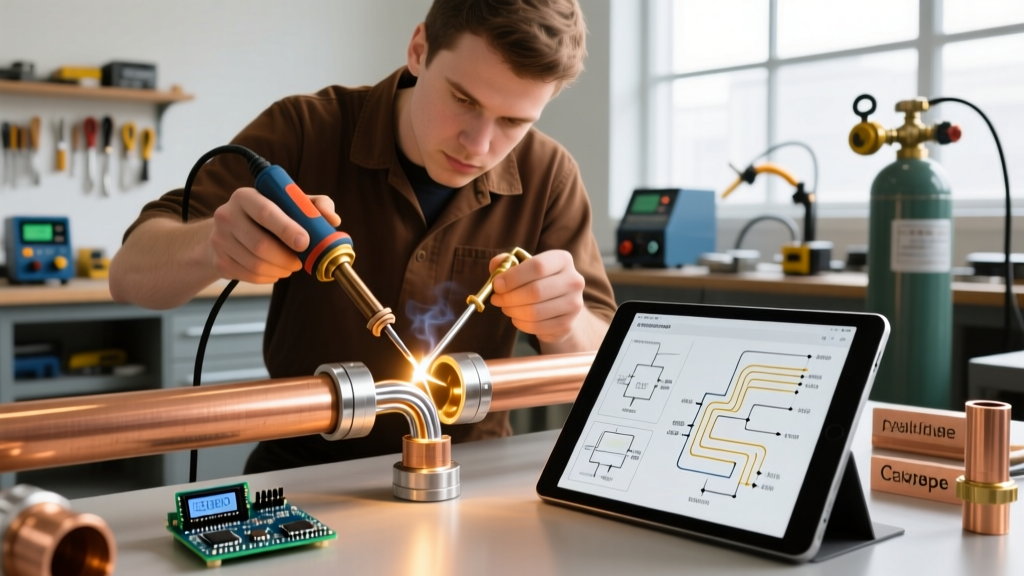
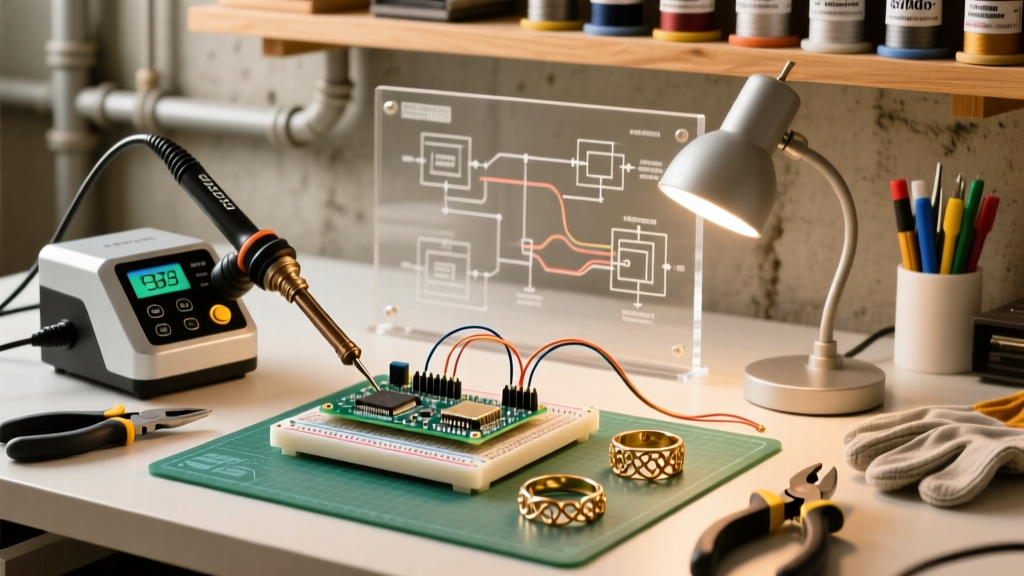
For beginners, a high-output propane or MAP-Pro torch is the default choice. The Bernzomatic TS8000 remains a popular entry-level option, costing approximately $55 in 2026. While adequate for thin brass wire or small jump rings, it lacks the thermal penetration for heavy cast brass components or thick bezels. The slow heating process increases the risk of oxidizing the surrounding metal and vaporizing the zinc in the base alloy.
Professional studios rely on Oxy-Acetylene systems, specifically the Smith Little Torch outfit. In 2026, a complete Smith Little Torch kit with hoses and tips costs between $340 and $420. However, the hidden cost lies in the gas infrastructure. Acetylene and medical-grade oxygen tanks require purchase or lease, plus regular refill fees. Expect to pay $150 to $250 for initial tank purchases and deposits, with bi-monthly refills averaging $80 to $120 depending on your region. Alternatively, many modern studios are switching to Oxygen Concentrators paired with propane, eliminating oxygen tank leases but requiring a $400 to $600 upfront investment in a high-flow medical concentrator.
Consumables: Solder Alloys, Flux, and Pickling Compounds
Brass soldering consumables are more expensive and highly specialized compared to standard silver solder. Color-matching is the primary challenge; a silver solder joint on brass will leave a glaring white line that cannot be polished away. Jewelers must use specialized brass brazing alloys or low-karat gold solders.
- Brass Solder Sheets and Wires: According to Rio Grande Jewelry Supply, cadmium-free brass and bronze solders are the industry standard. A 1 dwt (pennyweight) sheet of color-matched yellow brass solder costs approximately $35 to $45. For production environments, buying in 5-ounce ingots reduces the cost per gram, but requires the jeweler to roll their own wire or sheet using a rolling mill.
- Flux Selection: Standard borax cones ($12) are insufficient for the higher temperatures required for brass brazing. A high-temperature brazing flux, such as Stay-Silv White Paste, is required. A 16oz jar costs roughly $22 and lasts for dozens of intricate joints. The flux must be applied heavily to prevent fire stain and zinc oxidation.
- Pickling Solutions: After soldering, brass develops a dark copper oxide scale. Sparex 2 (sodium bisulfate) is the traditional pickle, costing about $35 for a 5-pound dry gallon. However, many jewelers in 2026 are switching to food-grade Citric Acid solutions ($15 for a 5-pound bag) due to its lower environmental impact and reduced risk of copper-plating steel tools left in the bath.
The Hidden Cost of Zinc Vaporization and Failure Modes
The most expensive mistake a jeweler can make when soldering brass jewelry is ignoring the metallurgical limits of the alloy. Brass is primarily copper and zinc. While copper melts at 1,984°F (1,085°C), zinc boils and vaporizes at just 1,674°F (913°C).
Metallurgical Warning: If your torch flame is too broad or your heating time is too slow, the brass will reach the zinc vaporization point before the solder flows. This results in a phenomenon known as dezincification. You will see white smoke (zinc oxide) leaving the metal, leaving behind a porous, brittle, copper-rich sponge that will inevitably crack under stress.
The financial impact of this failure mode is severe. A failed joint requires quenching, re-pickling, re-fluxing, and re-soldering. This doubles your consumable usage, triples your time expenditure, and degrades the structural integrity of the brass piece. Investing in a precise oxy-acetylene torch with a micro-tip ($45 per replacement tip) is not a luxury; it is a mandatory cost-avoidance strategy to ensure rapid, localized heating that melts the solder before the zinc can boil.
Safety Overhead: Ventilation and Respiratory Protection
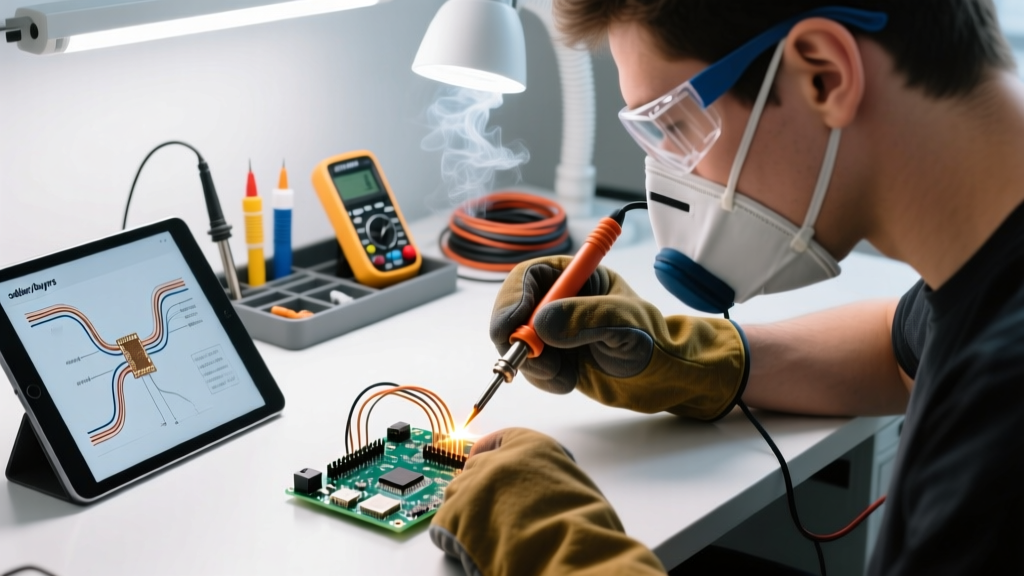
Soldering brass generates hazardous fumes, primarily zinc oxide and potentially cadmium if cheap, unregulated imported solders are used. The CDC NIOSH strictly warns against cadmium exposure, which causes severe respiratory and kidney damage. Always purchase certified cadmium-free solders from reputable suppliers.
Even with cadmium-free alloys, zinc oxide fumes can cause 'metal fume fever,' a flu-like condition. Therefore, a proper fume extraction system is a non-negotiable overhead cost. A basic benchtop HEPA and activated carbon extractor (such as the Hakko FA-400) costs around $65, but for heavy brass brazing, a dedicated inline ducted ventilation hood system is required, pushing the safety budget up to $300 to $500 for installation and ducting materials.
2026 Cost Matrix: Hobbyist vs. Professional Studio
To provide a clear financial picture, the following table contrasts the startup and operational costs between a hobbyist repair setup and a professional production studio in 2026.
| Cost Category | Hobbyist / Repair Setup | Professional Production Studio |
|---|---|---|
| Torch System | $65 (MAP-Pro / TS8000) | $450 (Smith Little Torch + Tips) |
| Gas Infrastructure | $15 (Exchangeable Cylinders) | $350 (Tank Deposits + O2 Concentrator) |
| Solder & Flux | $60 (Basic Brazing Wire + Borax) | $250 (Bulk Cd-Free Sheet + Stay-Silv) |
| Pickle & Cleanup | $40 (Citric Acid + Glass Jar) | $180 (Heated Crockpot + Sparex 2 Bulk) |
| Safety & Ventilation | $25 (N95 Mask + Open Window) | $450 (Ducted Fume Extractor + P100) |
| Total Initial Setup | ~$205 | ~$1,680 |
While the hobbyist setup is highly accessible, it is strictly limited to small-gauge wire work and basic jump ring closures. The professional setup, though demanding a higher capital expenditure, ensures color-matched, structurally sound joints capable of supporting heavy cast pendants and complex structural bezels. For comprehensive metallurgical techniques and advanced alloy behavior, resources like the Ganoksin jewelry community remain invaluable for ongoing education.
Frequently Asked Questions
Can I use silver solder on brass jewelry?
Technically, yes, silver solder will bond to brass. However, the joint will be bright silver, creating a highly visible seam against the yellow brass. Furthermore, silver solder requires different melting temperatures that can complicate multi-step soldering processes on brass. It is always recommended to use color-matched brass or low-karat gold brazing alloys for aesthetic continuity.
Why does my brass turn black and pitted after soldering?
Black pitting is a classic sign of overheating and zinc vaporization. When the brass is exposed to a wide, lazy flame for too long, the zinc boils out of the alloy, leaving behind a porous copper matrix that oxidizes heavily. Switch to a sharper, more concentrated flame and use a high-temperature brazing flux to protect the metal surface during the heating phase.
Is it safe to solder brass indoors?
Only with adequate ventilation. Soldering brass releases zinc oxide fumes, which are hazardous when inhaled in enclosed spaces. You must use an active fume extractor that vents outside or utilizes heavy-duty activated carbon filtration, combined with a properly fitted P100 particulate respirator. Never solder brass relying solely on a standard room fan.