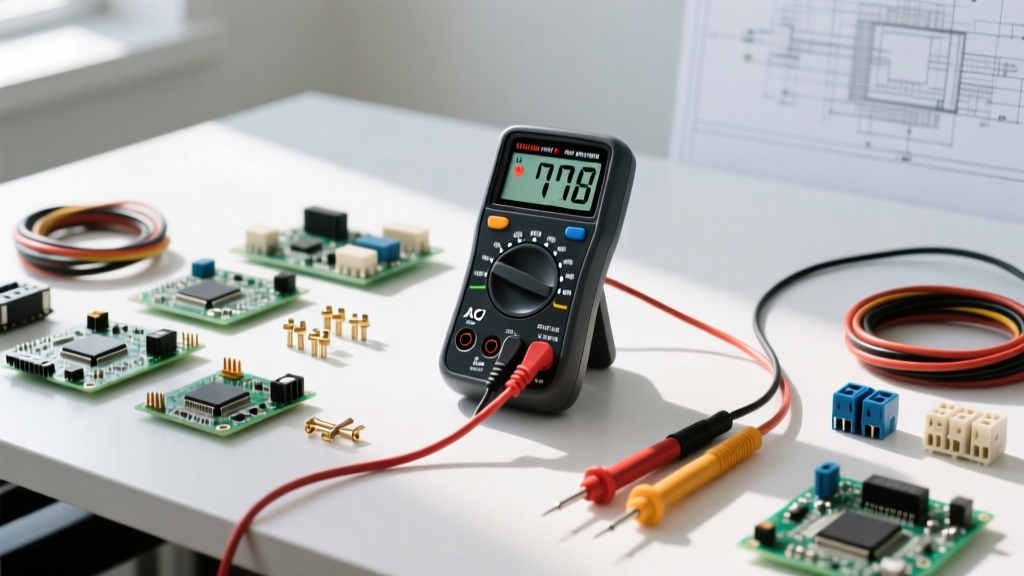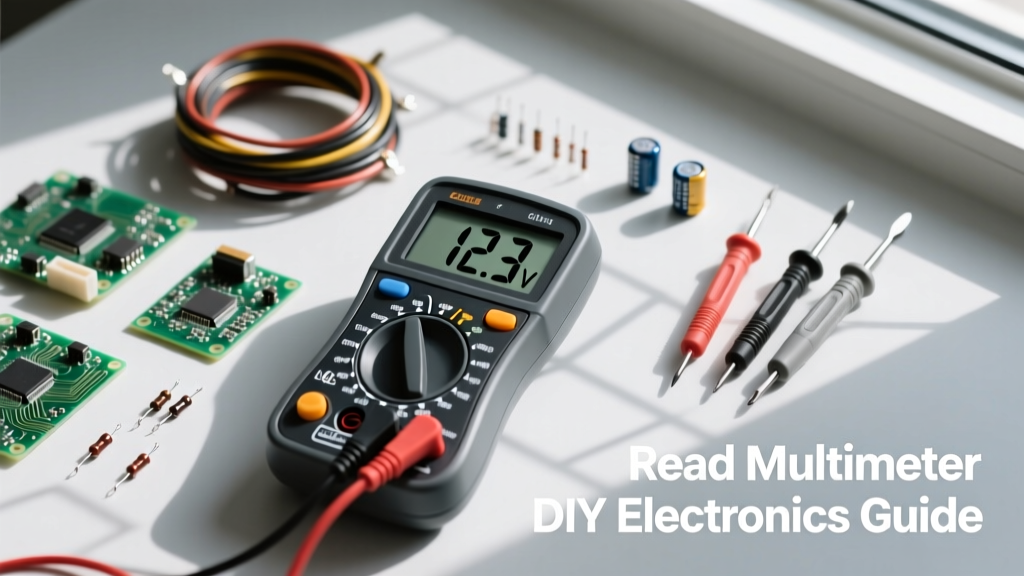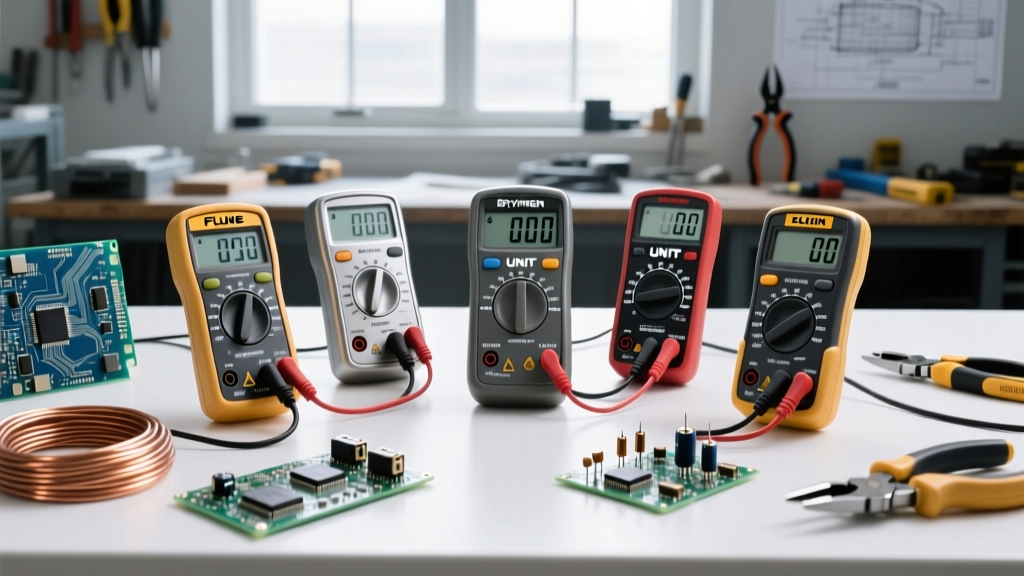

Choosing the right digital multimeter (DMM) is one of the most critical decisions an electrician, electronics engineer, or DIY enthusiast can make. While it is tempting to grab a generic $15 meter from a big-box store, the difference between a reliable tool and a dangerous liability lies in the engineering of the brand behind it. When evaluating good multimeter brands, you are not just paying for a logo; you are investing in input protection, measurement accuracy, and long-term durability.
In this comprehensive 2026 buying guide, we break down the top multimeter manufacturers across three distinct tiers. Whether you are troubleshooting a 480V industrial motor or probing a delicate 3.3V microcontroller logic line, this guide will help you match the right brand to your specific workflow.
The Hidden Cost of Cheap Meters: Why Brand Dictates Safety
Before diving into specific manufacturers, it is vital to understand why brand reputation matters in the test and measurement industry. The International Electrotechnical Commission (IEC) established CAT (Measurement Category) ratings to define how well a meter can withstand transient voltage spikes. However, not all brands adhere to these standards rigorously.
Many budget brands self-certify their CAT ratings without independent laboratory testing. A generic meter labeled 'CAT III 600V' might lack the necessary internal clearance, high-rupturing-capacity (HRC) fuses, and metal oxide varistors (MOVs) required to safely absorb a 8,000V transient spike. When a poorly designed meter fails during a high-energy measurement, the resulting arc flash can cause severe burns, blindness, or worse. As noted in Fluke's official safety documentation on CAT ratings, true safety requires independent verification of both the steady-state voltage and the impulse withstand voltage.
Expert Insight: Never trust a CAT rating printed on a meter that costs less than $40. True CAT III/IV safety requires physical internal spacing, sand-filled ceramic fuses, and specialized PCB trace routing that simply cannot be achieved at ultra-low price points.
Tier 1: The Undisputed Industry Titans
These brands represent the gold standard in test and measurement. They are specified by industrial safety officers, military contractors, and master electricians worldwide.
Fluke: The Benchmark for CAT Safety
Fluke is synonymous with the digital multimeter. Based in Everett, Washington, Fluke pioneered the modern handheld DMM and remains the undisputed market leader. Their meters are renowned for their independent UL certification, rugged IP67-rated enclosures, and unmatched input protection.
- Standout Model: Fluke 87V MAX ($450 - $500)
- Target User: Industrial electricians, HVAC technicians, and plant maintenance crews.
- Key Advantage: The 87V features a built-in thermometer, a low-pass filter for variable frequency drives (VFDs), and input protection rated for 10,000V transients. It is practically indestructible in field conditions.
While Fluke's entry-level models (like the Fluke 101) are basic, their mid-to-high-tier meters offer a lifetime of reliable service. The primary drawback is the premium price tag, but for professionals whose livelihood depends on accurate, safe measurements, the ROI is undeniable.
Tier 2: The 'Secret' Prosumer Favorites
These brands offer 90% of the performance of a Fluke at 40% of the cost. They are highly respected in the electrical engineering community and among advanced hobbyists.
Brymen: The Engineer's Choice
Brymen is a Taiwanese manufacturer that designs and builds meters for many other well-known brands (including Greenlee and Amprobe). In recent years, their own branded meters have become the 'secret weapon' of electronics engineers, heavily popularized by teardown experts on platforms like EEVblog.
- Standout Model: Brymen BM235 ($130 - $150)
- Target User: Electronics designers, bench technicians, and advanced DIYers.
- Key Advantage: The BM235 offers exceptional build quality, true RMS accuracy, and a highly responsive continuity beeper. It features robust input protection with high-energy HRC fuses that rival Fluke's internal layouts, as verified by independent teardowns.
Amprobe: The Rugged Middle-Ground
Now owned by Fortive (the same parent company as Fluke), Amprobe targets the commercial electrician and HVAC market. They offer a fantastic balance of ruggedness and affordability.
- Standout Model: Amprobe AM-570 ($180 - $220)
- Target User: Commercial electricians and HVAC troubleshooters.
- Key Advantage: The AM-570 includes a non-contact voltage (NCV) detector, microamp measurement for flame sensors, and a built-in flashlight. It is CAT IV 600V rated and survives harsh job-site drops.
Tier 3: Budget Champions That Don't Compromise on Safety
If you are a hobbyist, automotive enthusiast, or a pro needing a reliable backup meter, these brands offer genuine safety and impressive specifications without breaking the bank.
UNI-T: The Hobbyist King
UNI-T (Uni-Trend Technology) is a massive Chinese test equipment manufacturer that has completely disrupted the budget DMM market. Unlike no-name Amazon brands, UNI-T designs their own ASICs and adheres to IEC safety standards for their mid-range lineup.
- Standout Model: UNI-T UT61E+ ($65 - $80)
- Target User: Makers, 3D printer enthusiasts, and bench hobbyists.
- Key Advantage: The UT61E+ boasts an incredible 22,000 count display, USB data logging, and a dedicated low-impedance (LoZ) mode to eliminate ghost voltages. For under $80, the resolution and feature set are unmatched. You can explore their full catalog on the official UNI-T and Brymen regional distributor sites to verify regional safety certifications.
Klein Tools: The Electrician's Backup
Klein Tools has been a staple in the lineman's pouch for over a century. While they are not a dedicated test-equipment lab like Fluke, their multimeters are specifically designed to survive the brutal physical abuse of residential and commercial construction sites.
- Standout Model: Klein Tools MM700 ($75 - $90)
- Target User: Residential electricians, linemen, and general contractors.
- Key Advantage: The MM700 is CAT IV 600V rated and drop-tested to 1 meter. It features a reverse-contrast LCD for dark panels and a low-battery indicator that actually prevents false readings. As detailed in the Klein Tools digital multimeter catalog, their meters prioritize physical durability and ease of use over laboratory-grade precision.
2026 Multimeter Brand Comparison Matrix
Use this decision matrix to quickly identify which brand aligns with your specific technical requirements and budget constraints.
| Brand | Target Audience | Price Range | Standout Model | Max CAT Rating | Best Feature |
|---|---|---|---|---|---|
| Fluke | Industrial / Master Electricians | $250 - $600+ | 87V MAX | CAT III 1000V | Unmatched safety & VFD filter |
| Brymen | Electronics Engineers / Bench | $120 - $200 | BM235 | CAT III 600V | Fluke-like protection at 1/3 price |
| Amprobe | HVAC / Commercial | $150 - $250 | AM-570 | CAT IV 600V | Microamp & NCV integration |
| UNI-T | Hobbyists / Makers | $40 - $90 | UT61E+ | CAT II 1000V | 22k counts & USB datalogging |
| Klein Tools | Residential / Construction | $50 - $100 | MM700 | CAT IV 600V | Extreme drop & dust resistance |
The Input Protection Test: What Separates Good from Dangerous
When evaluating good multimeter brands, you must look past the rubber holster and examine the printed circuit board (PCB). The hallmark of a premium brand is its input protection network. Here is what to look for when researching a brand's teardown data:
1. High-Rupturing-Capacity (HRC) Fuses
Cheap brands use standard glass fuses. When subjected to a high-energy fault (e.g., accidentally measuring current across a 240V mains line), a glass fuse will explode inside the meter, ionizing the air and creating a conductive plasma path that can blow the meter apart. Top brands like Fluke and Brymen use sand-filled ceramic HRC fuses. The sand absorbs the explosive energy and quenches the arc instantly, protecting the user.
2. Metal Oxide Varistors (MOVs) and PTCs
MOVs act as voltage-dependent resistors that clamp transient spikes. Premium brands use high-energy, industrial-grade MOVs spaced adequately away from sensitive logic traces. Furthermore, they incorporate Positive Temperature Coefficient (PTC) thermistors that rapidly increase resistance when a fault current causes them to heat up, effectively choking off the dangerous current before it reaches the measurement ASIC.
3. PCB Creepage and Clearance
IEC standards require specific physical distances (creepage and clearance) between high-voltage input traces and low-voltage logic circuits on the PCB. Budget brands often cram components together to save space, violating these safety margins. Reputable brands route their PCBs with physical slots and milled gaps to prevent high-voltage arcs from jumping to the user-accessible dial or display.
Final Verdict: Matching the Brand to Your Workbench
There is no single 'best' multimeter brand; there is only the right brand for your specific application. If you are an industrial electrician working on 480V switchgear, the premium you pay for a Fluke is a non-negotiable life insurance policy. The IP67 rating and independent CAT III 1000V certification provide peace of mind in high-energy environments.
For electronics engineers, Arduino developers, and bench technicians, Brymen offers the ultimate sweet spot. You gain laboratory-grade resolution, exceptional continuity testing, and robust safety without the industrial markup. Meanwhile, UNI-T remains the undisputed champion for hobbyists who need high-count displays and data logging on a strict budget, provided they stay away from high-energy mains work.
Ultimately, investing in one of these proven, good multimeter brands ensures that your tool will not only provide accurate data but will also protect you when the unexpected happens. Always verify the CAT rating, check for independent UL or CSA certification marks, and never compromise on input protection.