
The Short Answer: Coverage Depends on Material and Code Compliance
When homeowners ask, "does homeowners insurance cover electrical wiring?", the answer is rarely a simple yes or no. Standard homeowners policies (such as the common HO-3 form) cover electrical wiring as part of the dwelling's physical structure, but only if the damage is caused by a sudden, named peril like a lightning strike, a falling tree, or an accidental fire originating from an external source. However, if a fire or electrical failure originates from degraded materials, unpermitted DIY modifications, or obsolete wiring types, your insurer will likely deny the claim, citing negligence, failure to maintain the property, or intentional code violations.
From a material and tool perspective, your choice of conductors, insulation types, and installation methods directly dictates your insurability in 2026. Insurers now frequently require specialized electrical inspections before underwriting older homes, scrutinizing everything from the main service panel to the branch circuit wiring materials.
Wiring Material Matrix: What Insurers Will and Won't Cover
Insurance underwriters rely on actuarial data linked to specific electrical materials. If your home contains high-risk materials, you may face policy cancellation, non-renewal, or mandatory upgrade requirements within 30 to 60 days of inspection.
| Wiring Material | Era / Application | Insurance Stance (2026) | Primary Failure Mode |
|---|---|---|---|
| Knob & Tube (K&T) | 1880s - 1940s | Uninsurable / Requires Replacement | Insulation degradation, lack of equipment ground, hidden splices |
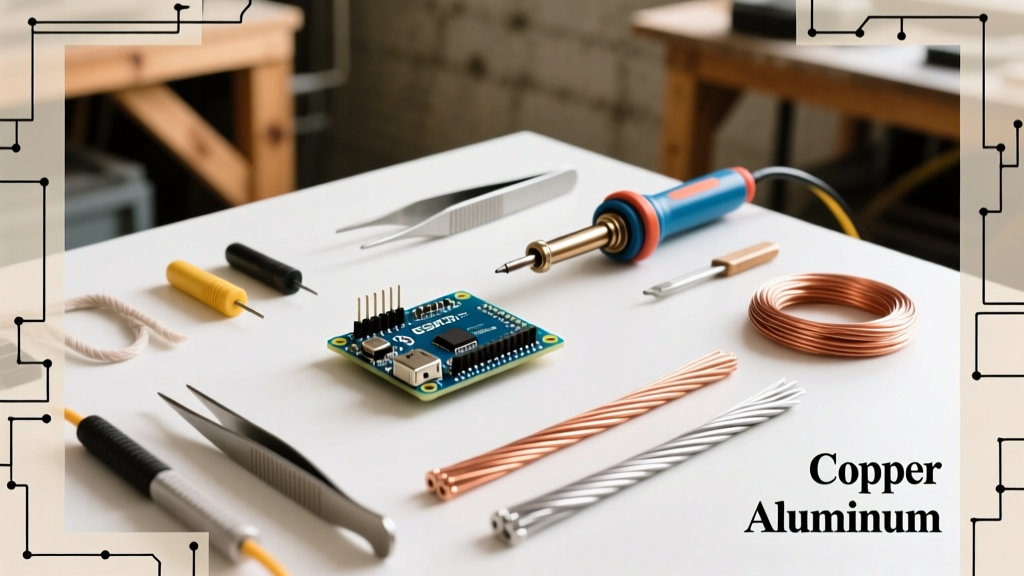
| Aluminum (AA-1350) | 1960s - 1970s | High Premiums / Often Denied | Thermal runaway, oxidation at copper-aluminum pigtails, creep |
| Aluminum (AA-8000) | 1980s - Present | Insurable (with CO/ALR rated devices) | Improper termination torque leading to arcing |
| Copper NM-B (Romex) | 1980s - Present | Standard / Fully Insurable | Rodent damage, unpermitted DIY nail punctures |
| Copper THHN/THWN | Commercial / Conduit | Standard / Fully Insurable | Wet location insulation breakdown if THHN is used instead of THWN-2 |
Red Flag Materials: The Uninsurable Offenders
Knob and Tube (K&T) Wiring: This ungrounded system uses cloth-rubber insulation that becomes brittle over decades. Because K&T lacks an equipment grounding conductor and was designed for the low electrical loads of the early 20th century, modern insulation companies and fire insurers almost universally refuse to cover homes that still have active K&T circuits. The National Fire Protection Association (NFPA) consistently highlights aging, ungrounded systems as a primary catalyst for residential electrical fires.
Pre-1970s Aluminum Branch Wiring (AA-1350 Alloy): During the copper shortage of the 1960s, builders used AA-1350 aluminum for 15A and 20A branch circuits. This specific alloy expands and contracts at a different rate than brass and copper terminals, leading to loose connections, oxidation, and severe arcing. According to the Consumer Product Safety Commission (CPSC), homes wired with this older aluminum alloy are 55 times more likely to reach fire hazard conditions than homes wired with copper. Most insurers will not write a new policy on these homes without a complete rewire or a documented COPALUM/AlumiConn mitigation performed by a licensed specialist.
Standard and Preferred Materials
Copper NM-B (Non-Metallic Sheathed Cable): Commonly known by the brand name Romex, this is the gold standard for modern residential interior wiring. It features a PVC outer jacket and THHN/THWN-2 insulated copper conductors with a bare copper ground. Insurers favor NM-B because its thermal limits and physical protections align perfectly with modern NEC (National Electrical Code) arc-fault and ground-fault requirements.
Essential Tools for Pre-Insurance Wiring Audits
Before an insurance inspector or a licensed electrician evaluates your home for a policy renewal, proactive homeowners and DIYers can use professional-grade diagnostic tools to identify red-flag materials and thermal anomalies. Catching a failing connection before it causes a fire is the best way to ensure your insurance remains intact.
- FLIR C5 Thermal Imaging Camera ($550 - $650): Thermal cameras are indispensable for spotting overloaded circuits or loose terminal connections inside breaker panels and junction boxes. A temperature differential of just 15°F to 20°F between phases or at a breaker lug indicates high resistance and impending thermal failure.
- Klein Tools NCVT-3 Non-Contact Voltage Tester ($25 - $35): While not a diagnostic tool for material degradation, the NCVT-3 is crucial for verifying that circuits are truly de-energized before opening junction boxes to photograph wiring materials for your insurance underwriter.
- Fluke 117 True RMS Multimeter ($200 - $230): Used by professional auditors to measure exact voltage drop across long aluminum or copper runs. Excessive voltage drop (over 3% on branch circuits) can indicate undersized wiring or severe corrosion at splices, both of which are red flags on an insurance audit.
- Borescopes / Endoscopes ($40 - $150): Tools like the Teslong inspection camera allow you to fish wires behind drywall and visually confirm the presence of modern NM-B cable or the absence of dangerous K&T splices without tearing open walls.
The DIY Trap: How Unpermitted Work Voids Your Policy
Even if you use the highest quality Southwire SIMpull copper THHN and modern Square D Homeline breakers, your insurance claim will be denied if the work was performed without municipal permits and inspections. The Insurance Information Institute (III) explicitly states that damage resulting from faulty, inadequate, or defective workmanship is excluded under standard homeowner policies.
Expert Warning: If a DIY-installed outlet causes a fire, and the insurance adjuster discovers the work was unpermitted, lacking an equipment ground, or utilizing improper wire nuts instead of UL-listed push-in connectors (like Wago 221 series), the entire claim can be voided for negligence. Always pull a local electrical permit for panel upgrades, new circuits, and aluminum-to-copper pigtailing.
Service Panel Upgrades: The Heart of Insurability
Your branch circuit wiring is only half the battle. Insurance auditors heavily scrutinize the main service panel. Certain legacy panel brands are considered inherent fire hazards due to defective breaker trip mechanisms and bus bar degradation.
Panels That Trigger Immediate Non-Renewal Notices
- Federal Pacific Electric (FPE) Stab-Lok: Notorious for breakers that fail to trip during short circuits.
- Zinsco / Sylvania: Breakers can melt directly onto the aluminum bus bars, preventing disconnection during an overload.
- Challenger (HAF series): Specific breakers were recalled due to mechanical binding that prevents tripping.
The 2026 Cost to Upgrade for Insurance Compliance
If your insurer mandates an upgrade to secure coverage, here is what you can expect to pay for materials and licensed labor in the current market.
| Upgrade Scope | Material Requirements | Estimated 2026 Cost | Insurance Impact |
|---|---|---|---|
| 200A Service Panel Swap | Eaton BR or Square D Homeline, whole-home surge protector | $2,500 - $4,500 | Removes FPE/Zinsco exclusions; lowers premium |
| Whole-Home Rewire (2,000 sq ft) | Copper NM-B, AFCI/GFCI breakers, tamper-resistant receptacles | $12,000 - $22,000 | Makes uninsurable K&T / Aluminum homes fully insurable |
| Aluminum Pigtail Mitigation | AlumiConn 3-Port lugs or COPALUM crimps | $3,500 - $7,000 | Satisfies most underwriters without a full rewire |
FAQ: Electrical Wiring Insurance Nuances
Does homeowners insurance cover the cost of rewiring an old house?
No. Homeowners insurance is designed to repair sudden and accidental damage, not to fund preventative maintenance or home improvements. If your home has outdated knob-and-tube wiring, the cost to upgrade to modern copper NM-B is entirely your responsibility. However, once the upgrade is complete, your new, lower-risk status may qualify you for reduced premiums.
Will insurance cover wiring damaged by rodents?
Generally, no. Most standard policies contain a specific exclusion for damage caused by pests, vermin, rodents, and insects. If rats chew through the PVC jacket of your Romex wiring in the attic, causing an arc fault, the resulting fire damage might be covered, but the cost to repair the chewed wiring itself will likely be denied as a maintenance failure.
Are AFCI and GFCI breakers required for insurance?
While insurance companies do not write the electrical code, they require your home to meet the local building codes in effect at the time of construction or renovation. If your local municipality has adopted the 2023 or 2026 NEC, which mandates Arc-Fault Circuit Interrupters (AFCI) and Ground-Fault Circuit Interrupters (GFCI) in nearly all living spaces, failing to install them during a renovation can be deemed negligent, jeopardizing your coverage in the event of a claim.