
The Great Confusion: Mechanical Shaft vs. Potentiometer Pin
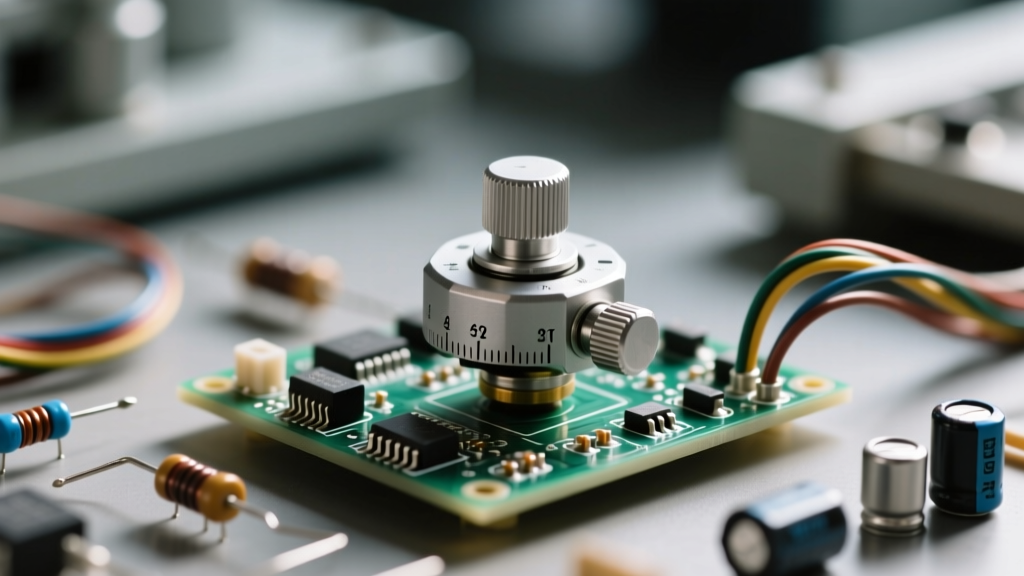
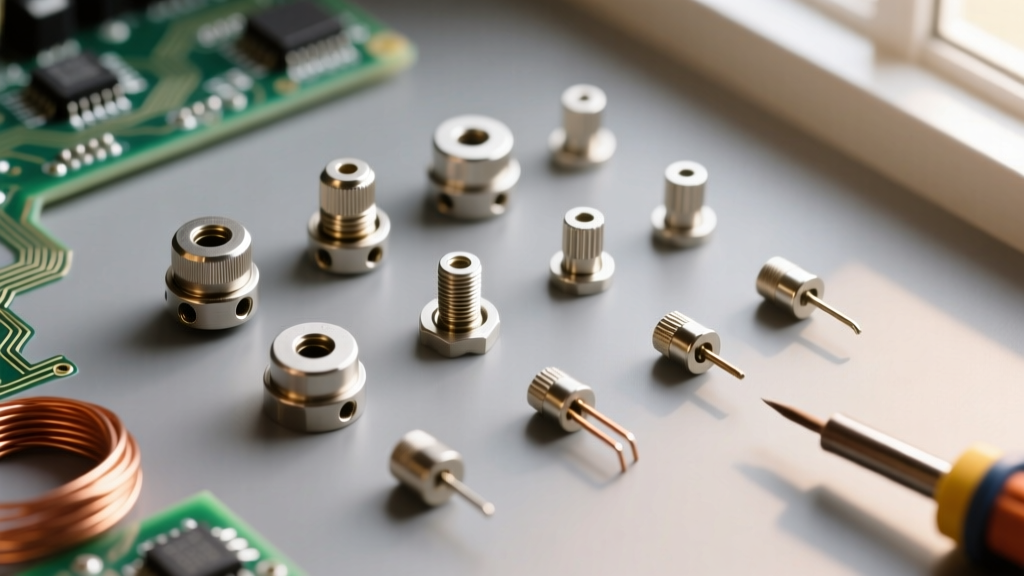
When scaling an electronic prototype into a full production run, one of the most common Bill of Materials (BOM) errors occurs when engineers and procurement teams conflate the mechanical actuator with the electrical interface. In sourcing and inventory terminology, the knob or actuator is the shaft (e.g., knurled, D-cut, flatted, or slotted), while the potentiometer pin refers strictly to the electrical termination legs that interface with your printed circuit board (PCB) or chassis wiring. Misidentifying these on a purchase order or in an inventory management system can lead to catastrophic assembly line delays, mismatched footprints, and failed automated optical inspection (AOI) tests. Understanding the exact anatomy and sourcing parameters of the potentiometer pin is critical for maintaining a lean, efficient component inventory.
Terminal Taxonomy: Categorizing Pins for Your BOM
To effectively manage your component inventory, you must categorize potentiometers by their termination style. The physical shape and material of the potentiometer pin dictate your assembly process, whether you are using wave soldering, reflow ovens, or manual hand-soldering for low-volume runs.
PC Pins (Through-Hole)
The most ubiquitous format for board-mounted trimpots and panel-mount controls is the PC pin. These are typically stamped from brass or copper alloys and formed into flat, rectangular legs. A standard potentiometer pin for a Bourns 3296 series trimpot measures approximately 0.5mm by 0.3mm. When sourcing these for automated insertion, you must specify whether you need straight pins for vertical mounting or right-angle pins for horizontal board layouts. Inventory managers should note that right-angle PC pins are more susceptible to bending during shipping and require rigid tray packaging rather than standard bulk bags.
Solder Lugs
For chassis-mounted audio and industrial controls, such as the Alps Alpine RK09 series, the potentiometer pin takes the form of a solder lug. These feature a stamped eyelet or hook designed to accept stranded wire. Solder lugs are not compatible with automated PCB assembly; they require manual wire dressing and soldering. From an inventory perspective, pots with solder lugs take up more volumetric space in your warehouse due to their extended terminal lengths and often require separate bins to prevent the lugs from snagging on one another.
Surface Mount (SMD / Gullwing)
High-density consumer electronics rely on SMD potentiometers. Here, the potentiometer pin is formed into a gullwing or J-lead configuration designed for solder paste reflow. Sourcing SMD pots requires strict attention to coplanarity specifications—typically a maximum deviation of 0.1mm across all pins. If your inventory sits in a humid warehouse without moisture barrier bags (MBBs), the plastic housings can absorb moisture, leading to the 'popcorn effect' during reflow, which can micro-fracture the pin-to-housing seal.
Wire Lead Terminations
In automotive and heavy machinery applications where high-frequency vibration is present, rigid pins can fatigue and snap. Suppliers offer potentiometers with pre-attached, stranded wire leads (often AWG 26 to 30) terminating in bare tinned ends or specialized connectors like Molex or JST housings. Sourcing these means you are buying a sub-assembly rather than a raw component, which increases per-unit cost but drastically reduces assembly time and field failure rates.
Metallurgy Matters: Pin Plating and Solderability
The surface finish of a potentiometer pin is a critical procurement variable that directly impacts solder joint reliability and shelf life. When reviewing supplier datasheets, you will generally encounter two primary finishes:
- Matte Tin (RoHS Compliant): The industry standard for modern through-hole and SMD pins. Matte tin provides excellent wetting characteristics for lead-free solder pastes (like SAC305). However, matte tin is susceptible to tin whisker growth over long inventory storage periods (3+ years), which can cause short circuits in high-impedance audio circuits.
- Gold Flash over Nickel: Often specified for high-reliability aerospace or medical potentiometers. The nickel underplate acts as a diffusion barrier, while the 5 to 10 microinch gold flash prevents oxidation. Gold-plated potentiometer pins have an exceptionally long shelf life but require specific soldering profiles to avoid gold embrittlement in the solder joint.
Always verify that your sourced components meet IPC J-STD-002 Solderability Standards before committing to a large volume purchase order, ensuring the pin finish will wet properly on your specific assembly line.
Inventory Strategy: Packaging and Shelf Life
How your potentiometer pins are packaged dictates your factory's feed setup and the component's environmental protection. Below is a strategic breakdown for inventory managers:
| Packaging Type | Termination Style | Typical MOQ | Inventory Strategy & Shelf Life |
|---|---|---|---|
| Bulk Poly Bags | PC Pins (Through-Hole) | 100 - 500 pcs | Low cost, but pins can bend. Shelf life: 1-2 years before oxidation risks increase. |
| Rigid PVC Tubes | PC Pins / SMD | 50 - 100 pcs | Protects pin coplanarity. Ideal for manual insertion. Shelf life: 2-3 years. |
| Tape & Reel (T&R) | SMD Gullwing | 250 - 500 pcs | Required for pick-and-place machines. Must be stored with desiccant. Shelf life: 1 year (MSL 3). |
| Tray / Waffle Pack | Panel Mount / Lugs | 50 - 100 pcs | Prevents lug snagging. High volume efficiency. Shelf life: 3+ years. |
Navigating Supplier Lead Times and Obsolescence
The global supply chain for passive and electromechanical components remains volatile. When sourcing a specific potentiometer pin configuration, relying on a single manufacturer is a severe risk. Leading manufacturers like Bourns and Alps Alpine offer extensive catalogs, but lead times for niche pin configurations (such as right-angle PC pins with extended lengths for thick backplanes) can stretch from 12 to 20 weeks. Procurement teams should always identify a secondary source with a mechanically and electrically identical pinout. For example, if a Bourns 3386 trimpot is on allocation, TT Electronics or Vishay often offer drop-in replacements with identical pin spacing (0.100-inch grid) and pin thickness, allowing you to bypass PCB redesigns.
Field Failure Modes at the Pin Junction
Why does sourcing the exact right pin matter? Because the junction between the potentiometer pin and the PCB pad is a primary vector for field failures. Common failure modes linked to poor sourcing or inventory degradation include:
- Flux Entrapment: If the potentiometer pin is sourced with an improper standoff height (the gap between the pot body and the PCB), water-soluble flux can become trapped beneath the component during wave soldering. Over time, this residual flux corrodes the copper trace and the pin itself, leading to an open circuit.
- Mechanical Stress Cracking: When a user forcefully turns a panel-mount knob, the torsional stress transfers down the shaft and into the internal wiper, but also outward to the PCB mounting points. If the sourced PC pins are too thin or made from an overly soft alloy, the repetitive stress will cause the solder fillet at the pin base to crack, resulting in intermittent audio scratching or signal dropout.
- Galvanic Corrosion: Mixing metal finishes—for instance, using a gold-flashed potentiometer pin in a high-sulfur industrial environment without conformal coating—can lead to rapid galvanic corrosion, increasing the contact resistance of the pin far beyond acceptable tolerances.
The Procurement Checklist
Before finalizing your next purchase order or updating your ERP system's approved vendor list (AVL), run your component through this checklist:
- Pin Geometry: Have you verified the exact width, thickness, and length of the pin against your PCB footprint?
- Finish Compatibility: Does the pin plating (Matte Tin vs. Gold) match your assembly line's solder paste chemistry and reflow profile?
- Packaging Alignment: Is the component packaged in a format (Tape & Reel, Tube, Tray) that matches your SMT feeder capabilities?
- Moisture Sensitivity: If sourcing SMD pots, have you confirmed the Moisture Sensitivity Level (MSL) and established a dry-box storage protocol?
- Second Sourcing: Do you have an alternative MPN validated with the exact same pin spacing and mechanical envelope?
By treating the potentiometer pin not just as a piece of metal, but as a critical interface requiring precise sourcing and inventory management, you safeguard your production yield and ensure the long-term reliability of your electronic assemblies.