
Defining the Core: What Are Electricity Conductors?
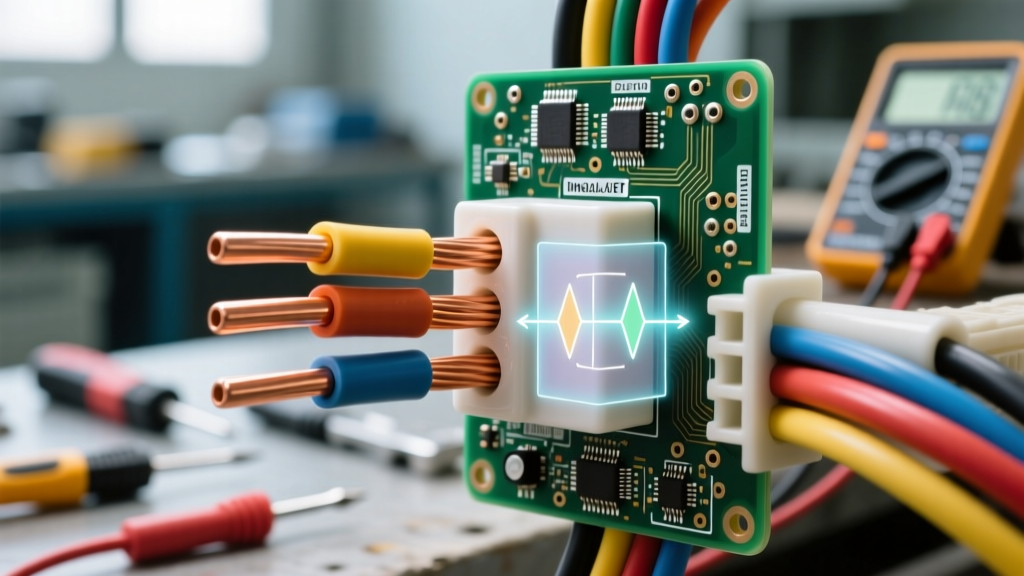
When students, hobbyists, and DIY enthusiasts first ask what are electricity conductors, the simplest answer is that they are materials that permit the free flow of electric charge. However, in professional electrical engineering and advanced electronics, the definition goes much deeper. A conductor is not just a passive pipe for electrons; its atomic structure, thermal properties, and mechanical resilience dictate the safety, efficiency, and longevity of an entire electrical system. From the massive high-voltage transmission lines stretching across continents to the microscopic traces on a custom-printed circuit board (PCB), selecting the right conductive material is a critical engineering decision. This comparison guide breaks down the physics, practical applications, and failure modes of the most common electrical conductors used today.
The Atomic Mechanism: How Conduction Actually Works
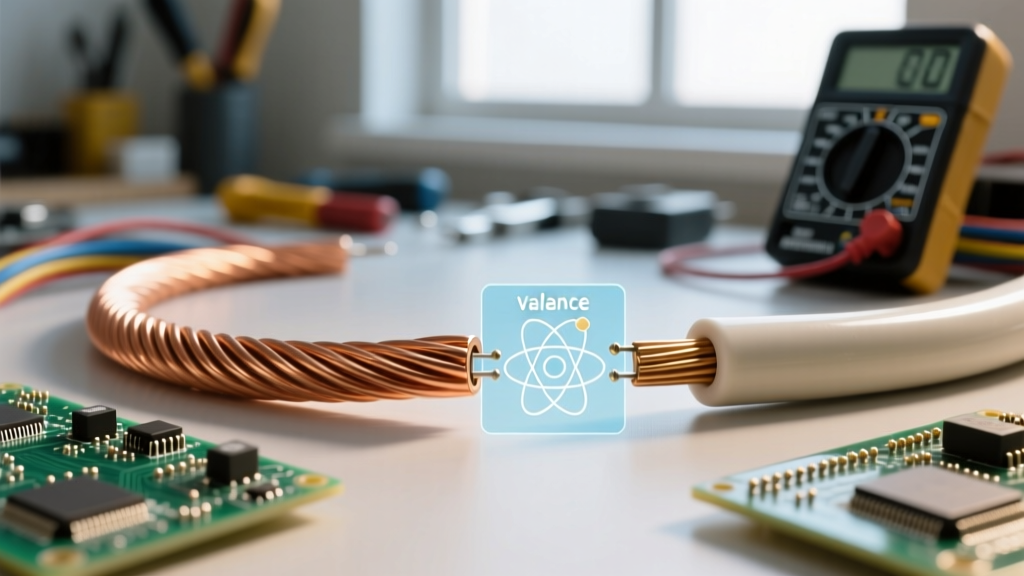
To truly understand conductor behavior, we must look at the atomic level. In metallic conductors, atoms are arranged in a crystalline lattice structure. The outermost electrons of these atoms—known as valence electrons—are only loosely bound to their parent nuclei. According to band theory, these electrons occupy a "conduction band" that overlaps with the "valence band," creating a sea of free electrons. When an electromotive force (voltage) is applied across the material, this electron sea drifts in a unified direction, creating an electric current. The ease with which these electrons move is measured as conductivity, while the resistance they encounter due to collisions with the lattice structure (phonons) and impurities is measured as resistivity. Temperature plays a massive role here: as a conductor heats up, lattice vibrations increase, causing more electron collisions and subsequently raising the material's electrical resistance.
Head-to-Head Material Comparison Chart
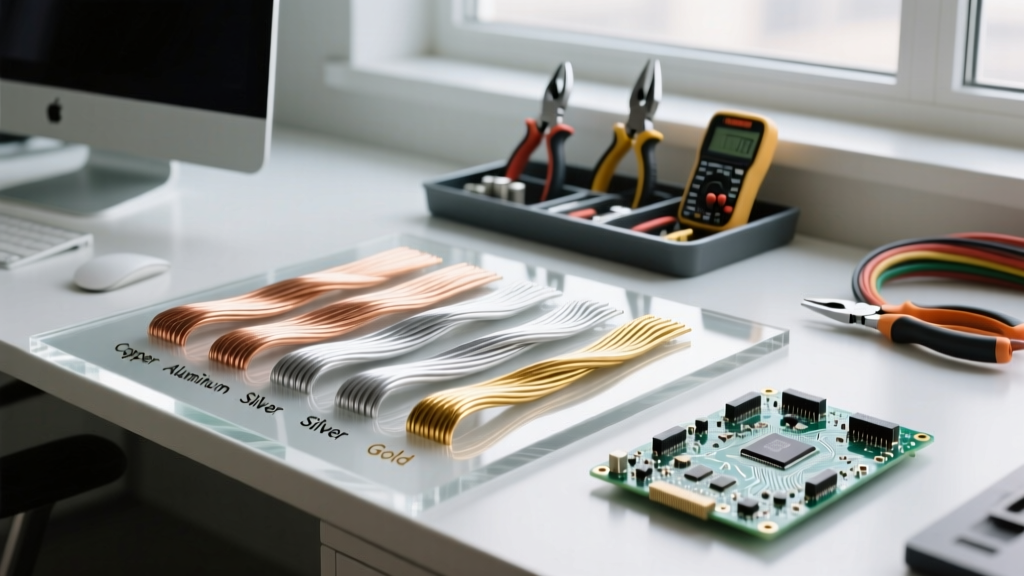
The industry standard for measuring conductivity is the International Annealed Copper Standard (IACS), where 100% IACS represents the conductivity of pure, annealed copper at 20°C. Below is a technical comparison of the four primary metallic conductors used in electrical systems.
| Material | IACS Rating | Resistivity (nΩ·m at 20°C) | Density (g/cm³) | Primary Application |
|---|---|---|---|---|
| Silver | 105% | 15.87 | 10.49 | RF coaxial cables, high-end audio contacts |
| Copper | 100% | 16.78 | 8.96 | Branch circuit wiring, PCB traces, motor windings |
| Gold | 70% | 22.14 | 19.30 | Low-voltage connectors, edge connectors, IC bonding |
| Aluminum | 61% | 28.20 | 2.70 | High-voltage transmission, heavy feeder cables |
Deep Dive: Copper vs. Aluminum in Real-World Wiring
While silver and gold dominate niche applications, copper and aluminum form the backbone of global power distribution and residential wiring. Understanding the mechanical and electrical differences between these two is vital for any electrical project.
Copper: The Undisputed Standard (C11000)
Electrolytic Tough Pitch (ETP) copper, designated as C11000, is the benchmark for electrical wiring. According to the Copper Development Association (CDA), ETP copper contains at least 99.90% copper and a maximum of 0.04% oxygen. Its primary advantage is its high tensile strength and exceptional ductility, allowing it to be drawn into incredibly thin wires (down to 40 AWG or smaller) without breaking. Furthermore, copper's coefficient of thermal expansion closely matches that of standard brass and bronze terminals, ensuring that screw connections remain tight over decades of thermal cycling. For DIYers and electricians, copper is the default choice for all branch circuits (15A to 50A) due to its reliability and universal compatibility with standard receptacles and breakers.
Aluminum: The High-Voltage Challenger (AA-8000)
Aluminum is significantly lighter (about 30% the density of copper) and much cheaper, making it the undisputed king of overhead utility transmission lines. However, pure aluminum (1350 series) is too soft and prone to "creep" (slow deformation under mechanical pressure) for indoor building wiring. To solve this, the National Electrical Code (NFPA 70) mandates the use of AA-8000 series aluminum alloys for branch and feeder circuits. These alloys incorporate iron and other trace elements to drastically improve creep resistance and tensile strength. Because aluminum has only 61% the conductivity of copper, you must use a wire roughly two AWG sizes larger to carry the same current safely (e.g., a 4 AWG copper wire and a 2 AWG aluminum wire are both typically rated for 100A in residential service entrances). Data verified via the National Institute of Standards and Technology (NIST) confirms that while aluminum requires larger conduit fills, its cost-to-weight ratio remains unbeatable for heavy feeder runs like those supplying subpanels or electric vehicle chargers.
Niche Conductors: RF and Low-Voltage Contacts
When designing high-frequency circuits or ultra-low-voltage sensor arrays, bulk conductivity is no longer the only metric that matters. Surface chemistry and high-frequency physics take precedence.
Silver and the Skin Effect
Silver is the most conductive element on the periodic table, but its high cost relegates it to specialized uses. In alternating current (AC) systems, especially at Radio Frequencies (RF), current does not flow uniformly through a wire's cross-section. Instead, it travels primarily along the outer surface—a phenomenon known as the "skin effect." At 2.4 GHz (Wi-Fi frequencies), the skin depth in copper is roughly 1.3 micrometers. By simply plating a cheaper copper or brass conductor with a microscopically thin layer of silver, engineers achieve the RF performance of solid silver at a fraction of the cost. This is why high-end coaxial cables, waveguide components, and aerospace RF connectors heavily utilize silver plating.
Gold and Oxidation Resistance
Gold is actually a relatively poor bulk conductor (70% IACS), so it is never used for power transmission. Its superpower is its complete inertness. Unlike copper, silver, and aluminum, gold does not oxidize or tarnish in normal atmospheric conditions. In low-voltage, low-current digital signals (like HDMI, USB, or audio jacks), even a nanometer-thick layer of copper oxide can act as a semiconductor or insulator, degrading the signal. Gold plating ensures a pristine, oxide-free contact surface, guaranteeing reliable data transmission over thousands of mating cycles.
Critical Failure Modes and Oxidation Risks
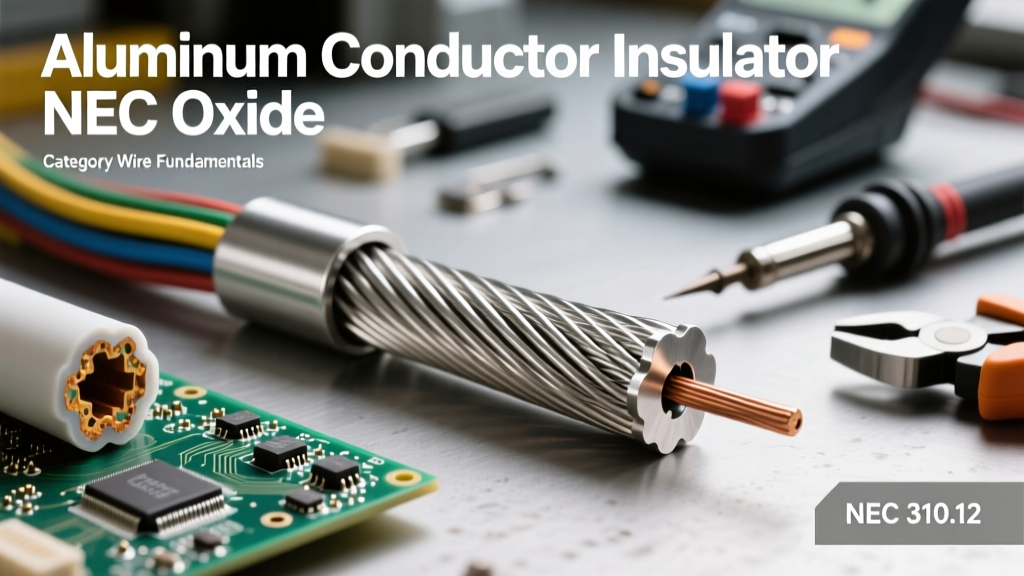
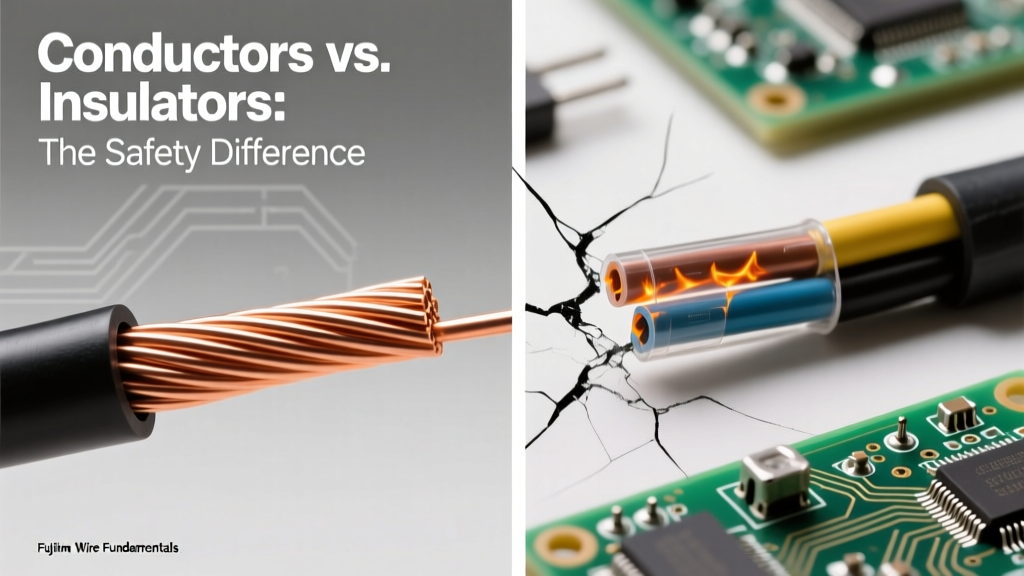
Understanding how conductors fail is just as important as knowing how they conduct. The most notorious failure mode in residential and commercial wiring is galvanic corrosion and thermal creep at aluminum-to-copper junctions. When aluminum and copper are in direct physical contact in the presence of an electrolyte (even ambient humidity), a galvanic cell is formed. The aluminum acts as the anode and rapidly corrodes, creating a high-resistance aluminum oxide layer. This resistance generates immense heat, which can melt insulation and start electrical fires. To prevent this, the NEC requires the use of CO/ALR (Copper/Aluminum Revised) rated terminals and the application of zinc-dust antioxidant pastes (like NOALOX) on aluminum conductors to break up the oxide layer and prevent moisture ingress. Additionally, aluminum's higher thermal expansion rate means that standard copper-rated screw terminals will loosen over time as the aluminum expands and contracts, necessitating the use of torque screwdrivers to achieve exact manufacturer-specified termination pressures.
Practical Selection Framework for DIY Electronics
Choosing the right conductor for your next project requires balancing electrical load, environment, and budget. Use this decision framework:
- Standard AC Branch Circuits (120V/240V): Always use solid or stranded ETP Copper. It fits standard terminals, resists creep, and requires no special antioxidant pastes.
- Heavy Feeder Cables (100A+ Subpanels): Consider AA-8000 Aluminum (like XHHW-2) to save significant money and weight, provided you use properly rated bi-metallic lugs and torque them to spec.
- High-Frequency RF/Antennas: Opt for silver-plated copper wire or coaxial cables to minimize skin-effect losses at VHF/UHF/microwave frequencies.
- Low-Voltage Sensor/Data Contacts: Use gold-plated pins or edge connectors to prevent oxidation from interrupting milliamp-level signals in humid environments.
- High-Temperature Environments: Look beyond standard metals to nichrome or tungsten, or utilize silver with high-temp PTFE (Teflon) insulation, as standard PVC-insulated copper will melt and short-circuit.
By mastering the fundamental properties of these materials, you transition from simply following wiring diagrams to engineering robust, failure-proof electrical systems.