
The Foundation: Choosing the Right 12 AWG Wire Materials
When wiring 20-amp branch circuits in residential and light commercial settings, 12 gauge electrical wiring is the undisputed standard. Whether you are running new kitchen receptacle circuits, powering outdoor outlets, or wiring a bathroom fan-light combo, selecting the correct cable type ensures both code compliance and long-term safety. As of 2026, copper prices have stabilized, but buying quality materials from reputable manufacturers like Southwire or Cerro Wire remains critical to avoid brittle or undersized conductors that fail under continuous load.
| Wire Type | Jacket / Insulation | Primary Application | Est. 2026 Cost (250ft) |
|---|---|---|---|
| NM-B 12/2 w/ Ground | Yellow PVC Jacket | Indoor dry-location 20A receptacles | $115 - $135 |
| NM-B 12/3 w/ Ground | Yellow PVC Jacket | 3-way switches, MWBCs, split-receptacles | $160 - $185 |
| THHN/THWN-2 12 AWG | Color-coded Nylon/PVC | Conduit runs, commercial panels, wet locations | $45 - $65 (per 250ft spool) |
Pro-Grade Hand Tools for 12 Gauge Stripping and Cutting
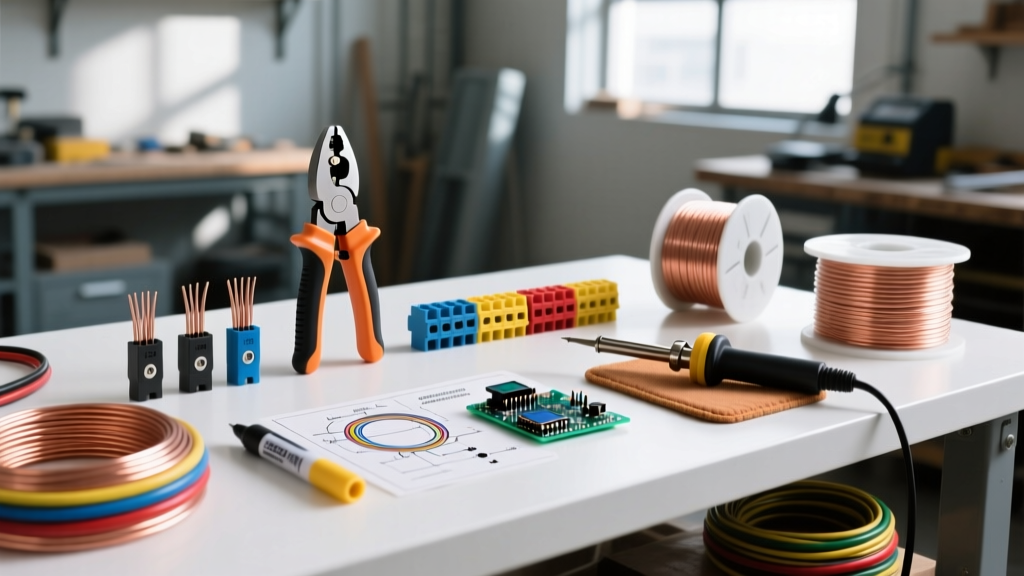
Stripping 12 AWG solid copper requires precision. A nicked conductor reduces the cross-sectional area, creating a high-resistance hot spot that can melt insulation over time. Ditch the generic multi-tools and invest in dedicated wire strippers calibrated specifically for 12 AWG.
- Klein Tools 11063W Katapult: An auto-stripping tool that cleanly removes insulation without scoring the copper. Priced around $35, it is a staple for professionals pulling hundreds of feet of NM-B daily.
- Milwaukee 48-22-4108 (8-Inch Wire Strippers): Features precision-machined stripping holes for 10-24 AWG solid and stranded wire. The integrated looping holes are perfect for bending 12 AWG pigtails for screw terminals ($25).
- Klein 11054EINS High-Leverage Diagonal Cutters: 12 gauge copper is thick and stiff. Standard linemans pliers can cause wrist fatigue during long rough-in days. These high-leverage cutters slice through 12 AWG with minimal hand pressure.
The Modern Code Requirement: Torque Screwdrivers
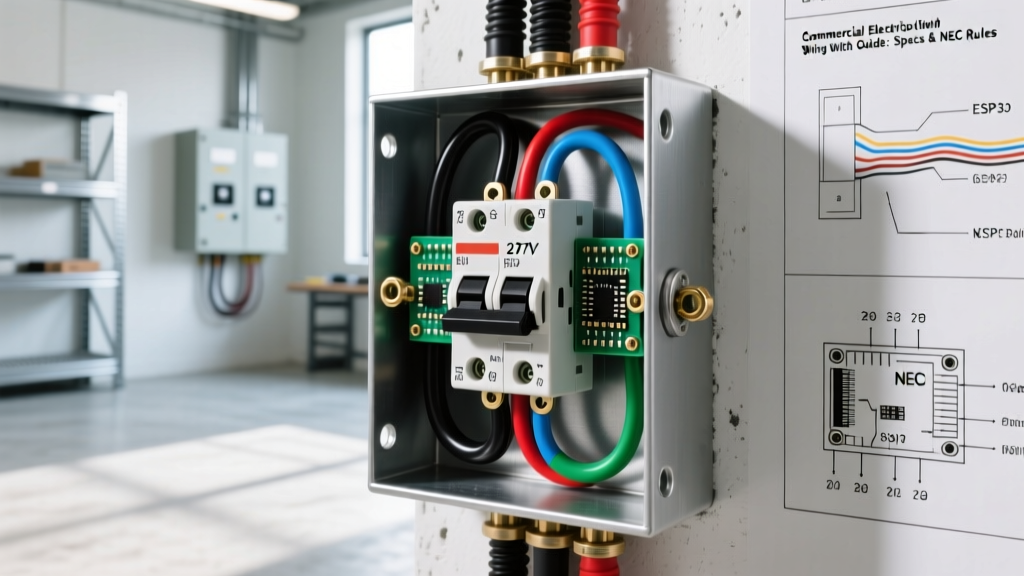
One of the most critical updates in recent NEC cycles (and heavily enforced by inspectors in 2026) is the requirement for verified torque on all breaker and receptacle terminations. 12 gauge electrical wiring requires specific inch-pound torque settings to prevent loose connections that lead to arc faults and thermal expansion failures.
- Wheeler 710 Torque Screwdriver: Adjustable from 10 to 75 in-lbs. Essential for tightening the lug screws on 20-amp QO or Homeline breakers, which typically require 35-45 in-lbs.
- Wiha 645P TorqueVario-S: A premium option that provides audible and tactile feedback when the target torque is reached, ensuring your 12 AWG pigtails are perfectly seated without stripping the terminal brass.
Connectors and Terminations: Beyond the Standard Wire Nut
Terminating 12 gauge electrical wiring demands connectors rated for the physical thickness and heat dissipation requirements of 20-amp circuits.
Push-In vs. Lever vs. Twist-On
While traditional twist-on wire nuts like the Ideal Industries 74B (Yellow) are still widely used, modern push-in and lever connectors have revolutionized junction box work. The Wago 221 Series Lever-Nuts (specifically the 221-413 3-port model) are rated for 12 AWG solid and stranded wire up to 600V. They cost roughly $0.60 each in bulk but eliminate the risk of under-twisted wire nuts and allow for instant visual verification of the wire strip length via the clear housing.
Expert Tip: When pigtailing 12 AWG wires to a 15-amp receptacle (which is permitted on a 20-amp circuit if there are multiple receptacles), always use a 12-to-12 AWG copper pigtail rather than stepping down to 14 AWG inside the box. Stepping down wire gauges inside a junction box can confuse future electricians and violates best practices for uniform branch circuit sizing.
Conduit Pulling: Fish Tapes and Lubricants for THHN
When running individual 12 AWG THHN/THWN-2 conductors through EMT or PVC conduit, friction is your biggest enemy. Pulling three or four 12 gauge wires through a 3/4-inch conduit with multiple 90-degree sweeps requires the right mechanical aids.
- Klein Tools 56415 (50-Foot Steel Fish Tape): The stiff steel leader is ideal for pushing through empty conduit over long distances. The slotted tip allows you to securely wrap and tape your 12 AWG pulling head to prevent snagging.
- Ideal Industries 31-091 Yellow 77 Premium Pulling Lubricant: Unlike generic dish soap which dries out and cracks wire insulation over time, this polymer-based lube reduces friction by up to 40% and remains safe for THHN/THWN-2 nylon jackets in wet environments.
NEC Box Fill Calculations and Voltage Drop Math
Understanding the physics and code requirements behind 12 gauge electrical wiring separates DIYers from master electricians.
Box Fill (NEC Article 314)
According to the National Fire Protection Association (NFPA) and the National Electrical Code (NEC), each 12 AWG conductor in a junction box counts as 2.25 cubic inches. If you are using a standard 18-cubic-inch single-gang nail-on box, you can fit a maximum of eight 12 AWG conductors (including grounds and pigtails, per NEC counting rules) before violating box fill limits. Overstuffing boxes crushes insulation and creates short-circuit risks.
The 100-Foot Voltage Drop Myth
Many forums claim you can run 12 AWG up to 100 feet on a 20-amp circuit without issue. Let us look at the actual math for a continuous 20A load on a 120V circuit:
- Copper resistance for 12 AWG is 1.588 ohms per 1,000 feet.
- A 3% maximum voltage drop equates to 3.6 Volts.
- Formula: Max Length = (3.6V / (20A × 2 × 1.588/1000)) = 56.6 feet.
If your circuit will genuinely pull a continuous 20A load (like a heavy-duty portable heater or commercial equipment), you must upsize to 10 AWG if the run exceeds 60 feet. For general residential receptacles where the continuous load rarely exceeds 10-12 amps, 12 AWG easily handles 100+ foot runs. For detailed ampacity and resistance charts, refer to the Southwire Building Wire engineering documentation.
Frequently Asked Questions
Can I use 12 gauge wire on a 15-amp breaker?
Yes. The NEC permits using a larger wire than the minimum required for the breaker size. However, 12 AWG is stiffer and harder to fold into standard single-gang boxes, and some older 15-amp receptacles have back-wire push-in holes that only accept 14 AWG. Always use the screw terminals or the back-wire clamp plates rated for 12 AWG.
Where can I find reliable tool specifications?
For exact stripping tolerances and torque specs, always consult the manufacturer catalogs, such as the Klein Tools Wire Strippers official documentation, to ensure your tools are calibrated for modern THHN and NM-B insulation thicknesses.