
Beyond the Textbook: Why Material Choice Dictates Circuit Survival
In physics, a conductor is simply defined as a material that permits the free flow of electrical charge. But in the real world of electrical contracting, electronics manufacturing, and DIY wiring, a conductor must do much more than just move electrons. It must resist thermal degradation, withstand mechanical vibration, survive chemical oxidation, and remain cost-effective at scale. When evaluating practical examples of conductors in electricity, professionals must balance the International Annealed Copper Standard (IACS) against physical vulnerabilities like cold-flow, skin effect, and galvanic corrosion.
Choosing the wrong conductive material for a specific application is one of the leading causes of high-resistance connection failures, voltage drop, and electrical fires. This guide moves past elementary science class concepts to explore the specific alloys, unconventional materials, and termination realities that dictate how modern electrical systems are actually built.
The Big Three: Everyday Examples of Conductors in Electricity
While the periodic table offers dozens of conductive elements, the electrical industry relies heavily on three primary metals, each chosen for highly specific environmental and economic reasons.
Copper (Cu): The Undisputed King of Branch Circuits
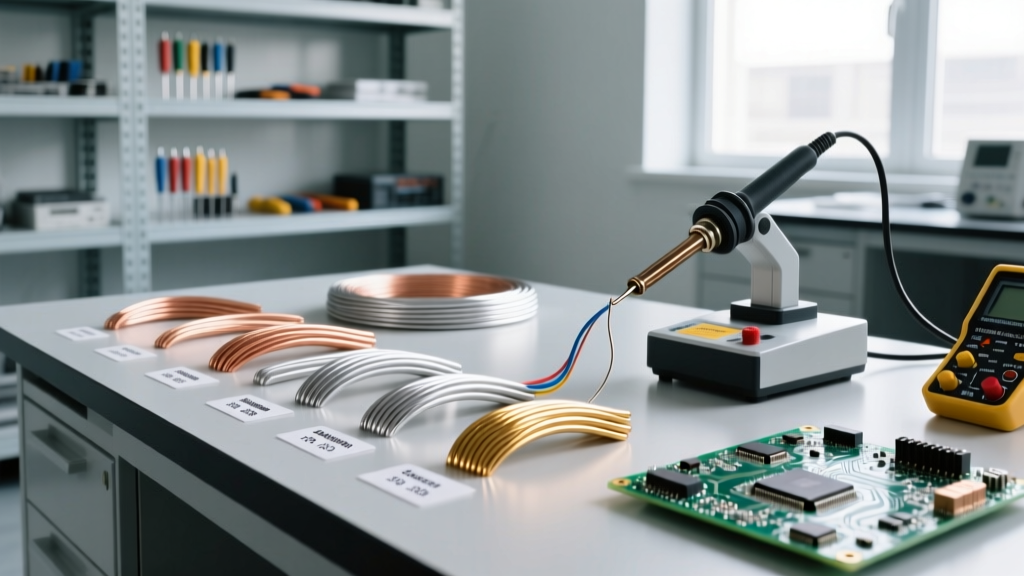
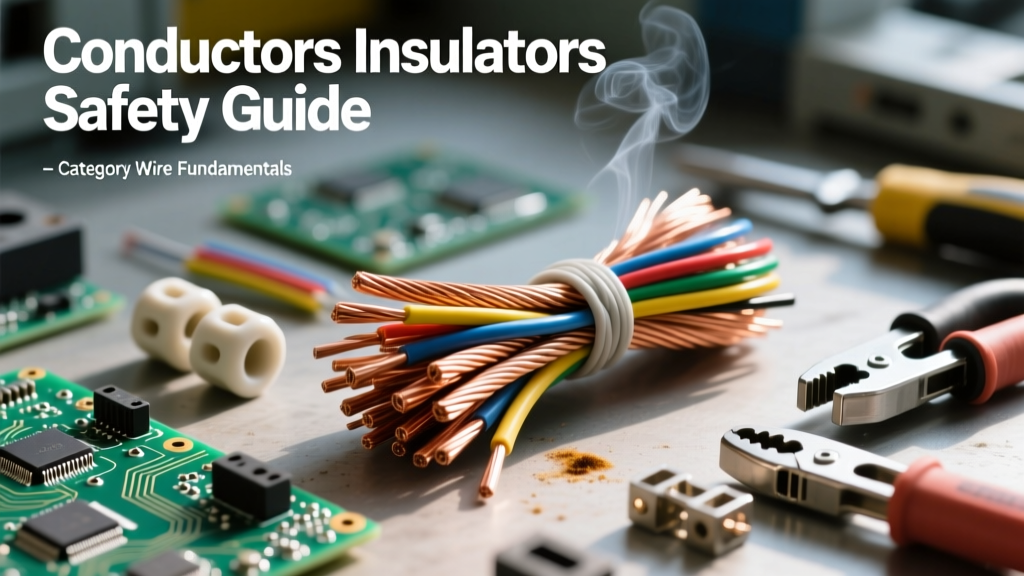
Copper is the baseline against which all other conductors are measured, sitting at 100% on the IACS scale. Its dominance in residential and commercial branch circuits (typically utilizing THHN or XHHW-2 insulation) is due to its exceptional balance of high conductivity, tensile strength, and malleability. Copper does not suffer from significant thermal expansion issues at standard operating temperatures, and it forms a relatively stable oxide layer that does not severely impede conductivity at termination points. However, copper's high density and market volatility make it expensive and heavy, which is why it is rarely used for long-distance high-voltage transmission lines.
Aluminum (Al): The Feeder and Transmission Workhorse
Aluminum sits at roughly 61% of the conductivity of copper by volume, but it is 70% lighter. This makes it the undisputed champion for overhead transmission lines and heavy feeder cables (like 4/0 AWG SER cable for residential subpanels). However, aluminum requires strict adherence to modern alloy standards. According to the NFPA 70 National Electrical Code (NEC), only AA-8000 series aluminum alloys are permitted for branch circuit wiring. This is a direct result of the disastrous AA-1350 solid aluminum wiring used in the 1970s, which suffered from severe thermal expansion and oxidation, leading to widespread house fires.
Silver (Ag): The Niche High-Frequency & Audio Specialist
Silver is the most conductive elemental metal on Earth (roughly 105% IACS), but its exorbitant cost limits its use as a bulk wire. Instead, silver is utilized where extreme performance is required. In aerospace and military applications, silver-plated copper wire (such as Mil-W-22759 spec) is used to combat high-temperature environments and improve high-frequency signal transmission via the skin effect. In heavy industrial switchgear, silver-tungsten or silver-cadmium oxide contacts are used because silver resists arc erosion and maintains low contact resistance even after repeated high-current switching events.
Conductivity vs. Cost: A Real-World Material Matrix
To make informed decisions during panel upgrades or custom electronics builds, you must weigh the physical properties against practical limitations. The data below, cross-referenced with material resistivity metrics from The Engineering Toolbox, highlights these trade-offs.
| Material | Conductivity (% IACS) | Melting Point (°C) | Primary Real-World Application | Primary Vulnerability |
|---|---|---|---|---|
| Silver (Ag) | 105% | 961°C | Switchgear contacts, RF coaxial shields | Tarnishing (Silver Sulfide), extreme cost |
| Copper (Cu) | 100% | 1085°C | Branch circuits, PCB traces, motor windings | Weight, material theft, cost volatility |
| Gold (Au) | 70% | 1064°C | Low-voltage IC pins, audio jacks, edge connectors | Softness, high cost, poor bulk conductivity |
| Aluminum (Al) | 61% | 660°C | Service entrance feeders, transmission lines | Thermal creep, galvanic corrosion, oxidation |
| Carbon (C) | ~0.1% (Varies) | 3550°C | Motor brushes, high-power resistors | High resistivity, mechanical wear (dust) |
Unconventional Conductors You Actually Encounter in the Field
Not all conductors are metallic wires. Understanding non-metallic examples of conductors in electricity is crucial for troubleshooting electromechanical devices and power storage systems.
Carbon and Graphite Brushes in Motors
If you disassemble a DeWalt cordless drill or a heavy-duty table saw motor, you will find blocks of carbon or graphite pressing against a spinning copper commutator. Why use a material with such high electrical resistance compared to copper? Carbon is self-lubricating, possesses an incredibly high melting point, and wears away predictably without scoring the expensive copper armature. It acts as a sliding electrical bridge, transferring current to the rotating electromagnets while surviving intense friction and arcing.
Liquid Electrolytes and Ionized Gases
In the realm of electrochemistry and high-voltage physics, conduction relies on ions rather than free electrons. The sulfuric acid solution inside a lead-acid car battery is a highly active liquid conductor, facilitating the movement of sulfate ions to generate current. Similarly, inside a fluorescent tube or a neon sign, an ionized gas (plasma) becomes a highly effective conductor once the initial voltage spike strips electrons from the gas atoms, a principle thoroughly documented in atomic physics models by Georgia State University's HyperPhysics.
Field Failures: When the Wrong Conductor Causes a Fire
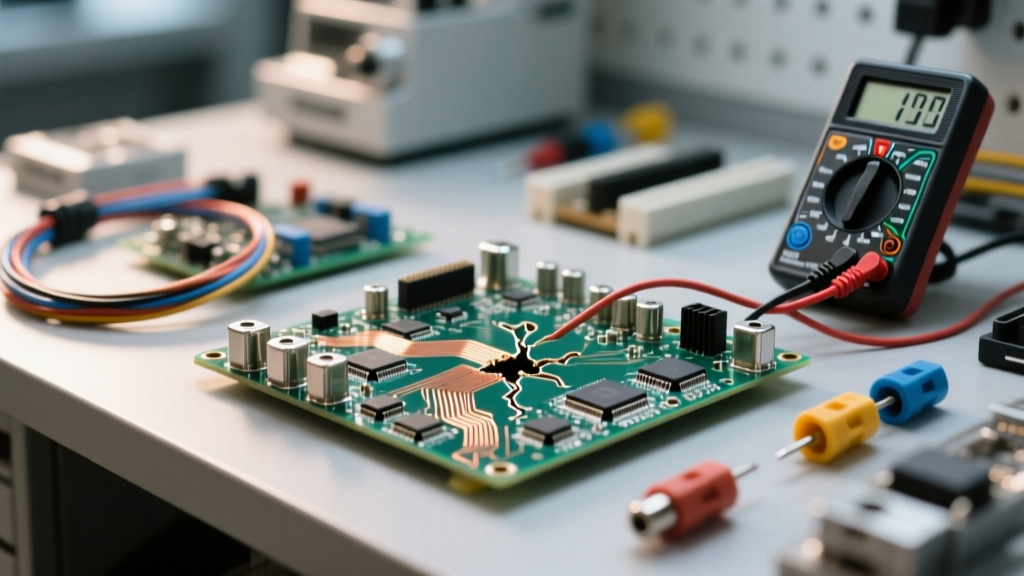
The most common real-world failure involving conductors occurs at the termination point, specifically when mixing materials or ignoring mechanical properties.
- Thermal Creep and Cold Flow: Aluminum expands and contracts at a significantly higher rate than copper when subjected to the heat generated by electrical load. If an aluminum wire is terminated in a lug not specifically rated for it (marked AL9CU), the repeated heating cycles cause the aluminum to "cold flow" or extrude away from the pressure plate. The connection loosens, resistance spikes, and an arc fault occurs.
- Galvanic Corrosion: When copper and aluminum are placed in direct physical contact in the presence of ambient moisture, a galvanic cell is created. The aluminum acts as an anode and rapidly corrodes into a white, powdery, non-conductive aluminum oxide. This is why dielectric antioxidant pastes (like Noalox or Penetrox) are mandatory when terminating aluminum conductors.
- The Skin Effect in High Frequencies: In high-frequency applications (like variable frequency drives or radio transmitters), alternating current is forced to the outer edge of the conductor. Using a solid, thick copper wire is highly inefficient here; instead, engineers use Litz wire (many individually insulated thin strands) or silver-plated hollow tubes to maximize the surface area available for conduction.
Master Electrician Pro-Tip: Never use standard copper-rated wire nuts on aluminum branch circuits. Even with modern AA-8000 wire, you must use connectors specifically rated for CU/AL mixing, and ideally, pigtail the aluminum to copper using an approved crimp system or a specialized antioxidant compound before terminating at standard receptacles.
Sizing and Termination Rules for Mixed Conductor Environments
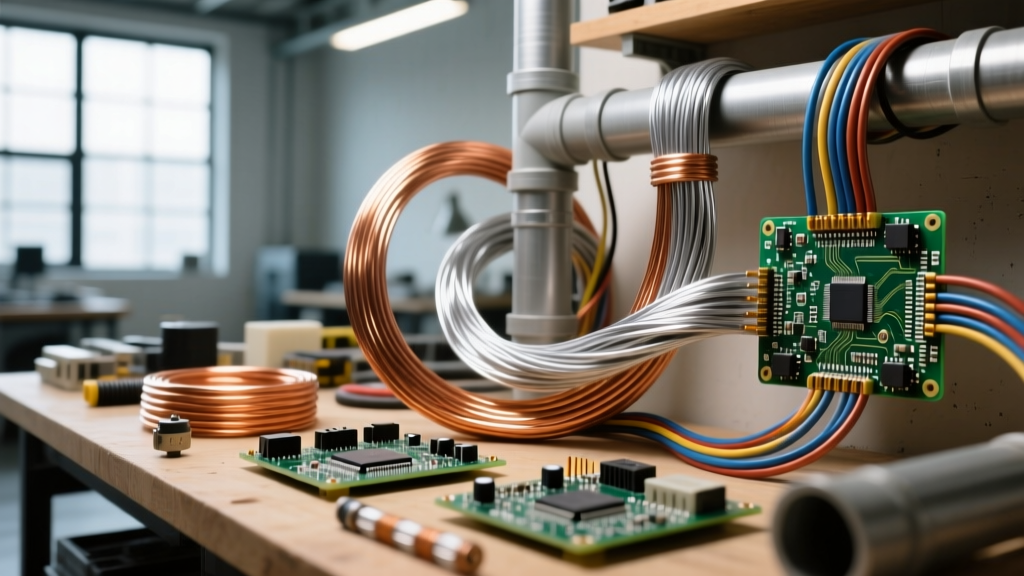
When designing or repairing a system, the physical size of the conductor must be adjusted based on the material. Because aluminum has only 61% of the conductivity of copper, an aluminum wire must be physically larger to carry the same ampacity. For example, a 100-amp residential subpanel feeder requires #3 AWG copper, but demands #1 AWG aluminum to maintain safe thermal limits and acceptable voltage drop over distance.
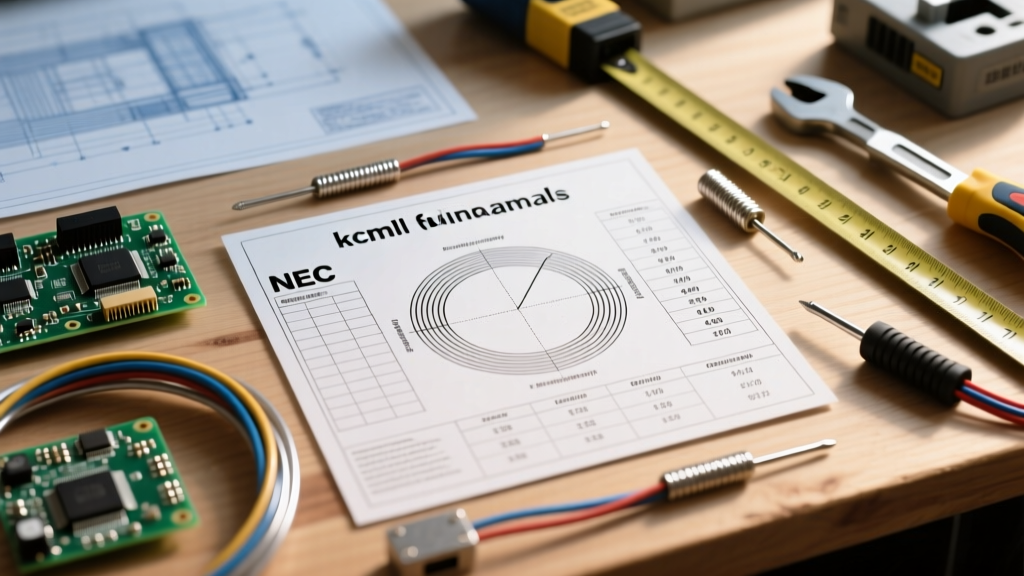
Furthermore, always consult NEC Article 110.14 regarding temperature limitations. Most standard residential breakers and receptacles are rated for 60°C or 75°C terminations. Even if you pull a 90°C rated XHHW-2 copper conductor, you must size the wire based on the 60°C or 75°C ampacity columns of the code tables unless the entire termination chain—from the lug to the breaker to the device—is explicitly rated and marked for 90°C. The conductor is only as strong as its weakest termination point.