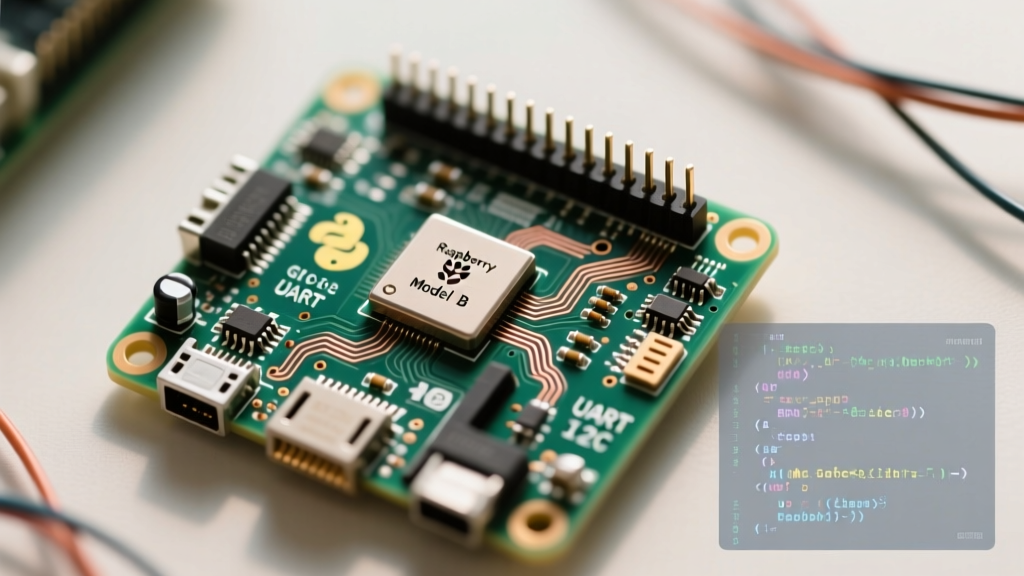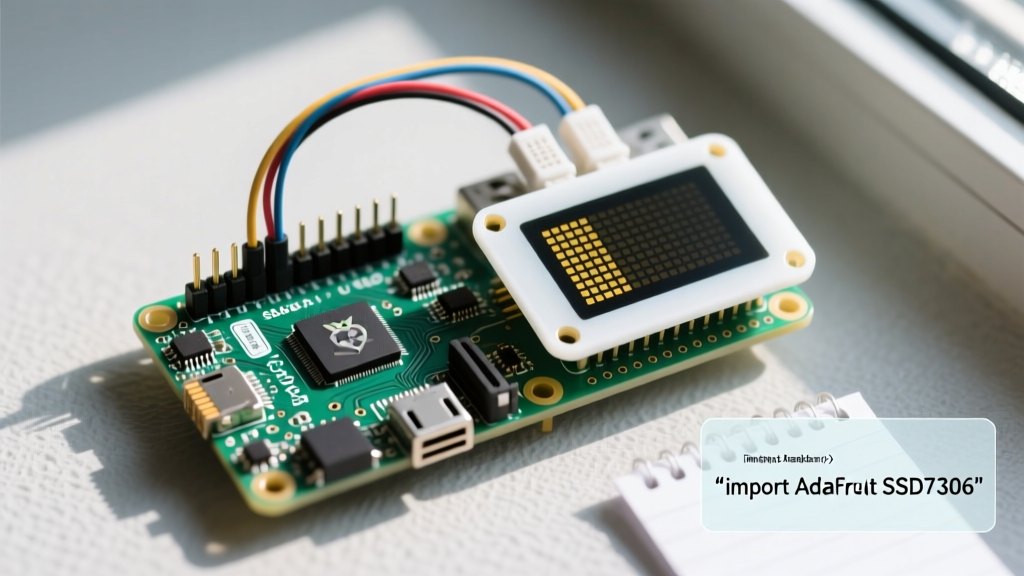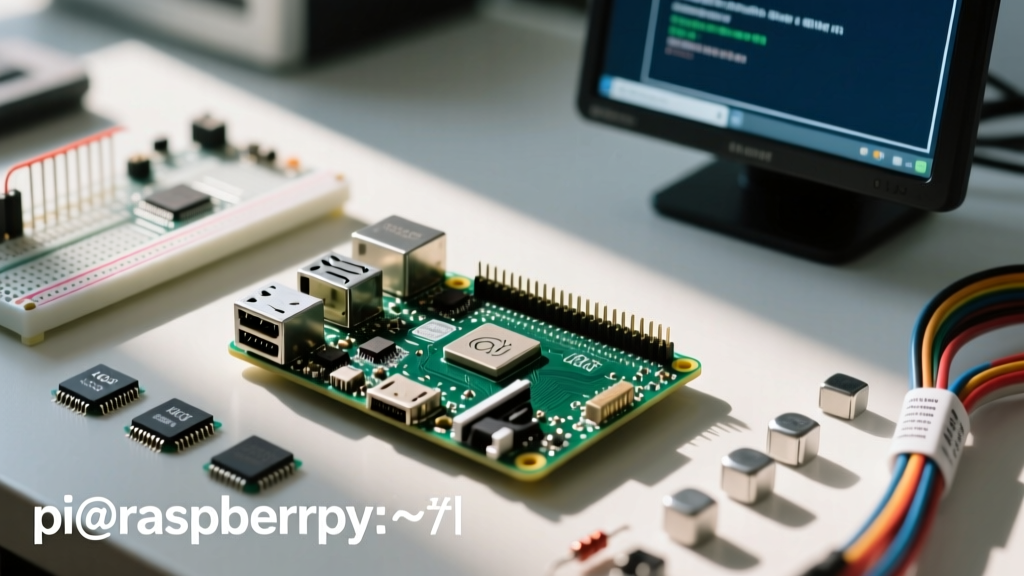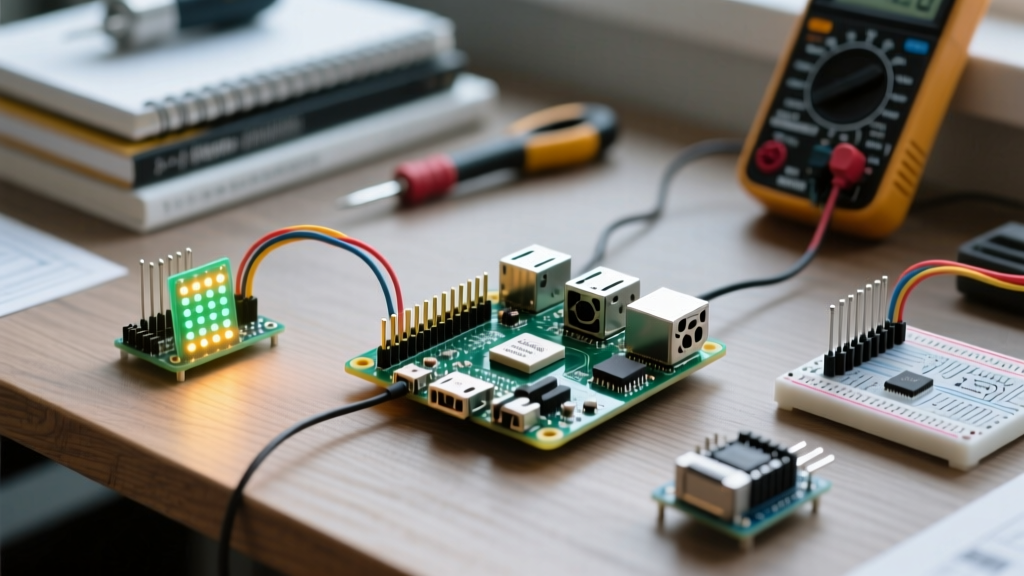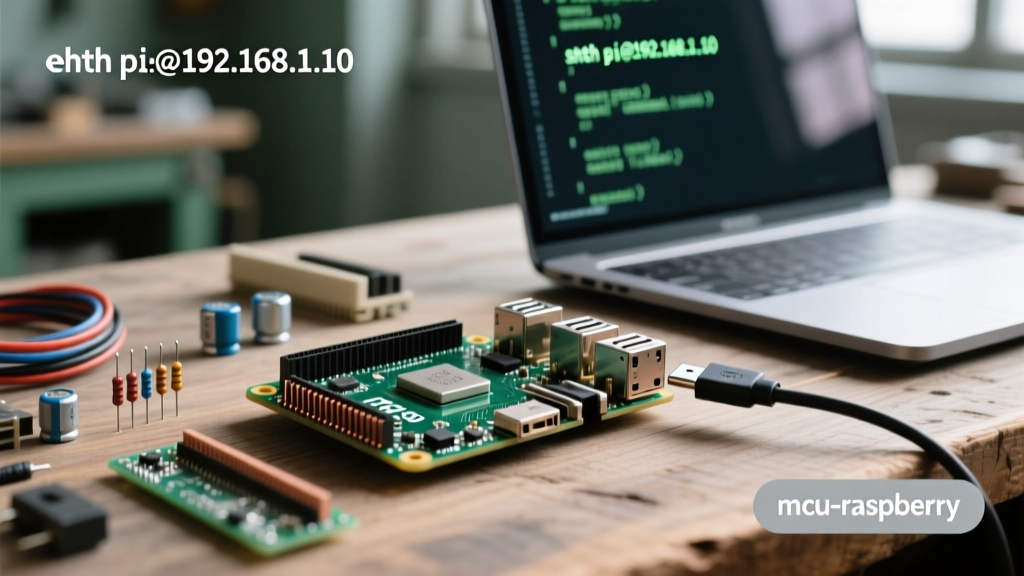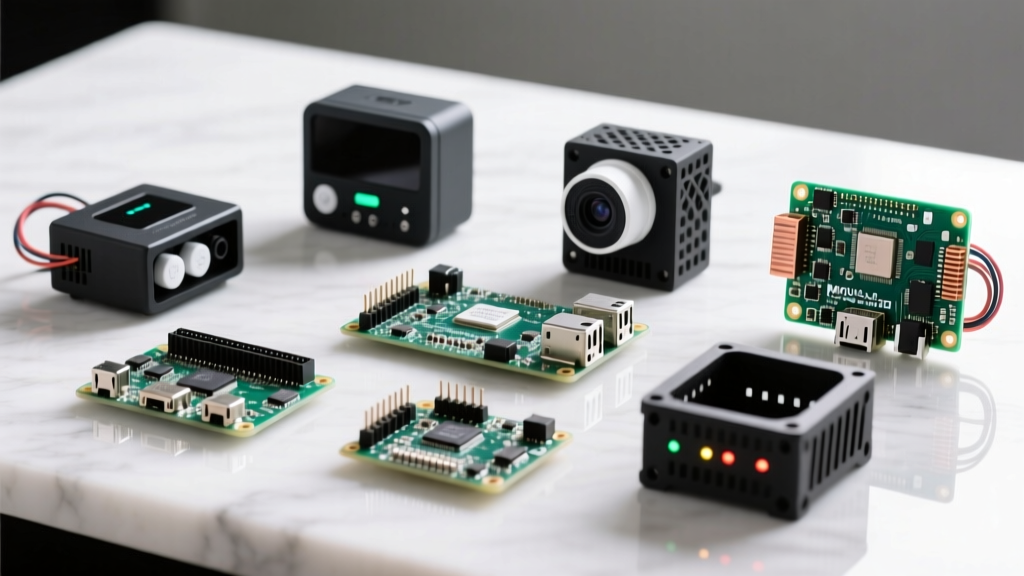

The single-board computer (SBC) ecosystem thrives on open-source collaboration, and nowhere is this more evident than in the sprawling community of makers, engineers, and hobbyists pushing the boundaries of what a $35 to $80 credit-card-sized computer can do. At ElectricalFlux, we receive dozens of submissions weekly from readers showcasing their custom builds. Today, we are stepping away from standard tutorials to highlight a curated selection of the most innovative raspberry pi diy projects submitted by our community over the last few months.
Why the Community Drives Raspberry Pi Innovation
While the Raspberry Pi Foundation provides the foundational hardware and silicon, it is the community that develops the niche libraries, custom PCB HATs, and 3D-printed enclosures that turn a bare board into a deployable product. Whether it is bypassing the limitations of the Pi Zero 2 W’s 512MB RAM or routing PCIe lanes on the new Pi 5, community-driven problem solving is the lifeblood of the SBC space. The projects showcased below represent real-world solutions to everyday problems, complete with the exact component choices and failure-mode workarounds our readers encountered during their prototyping phases.
Showcase: 4 Standout Raspberry Pi DIY Projects
We have selected four exceptional builds from our community forum and Discord channel that demonstrate the versatility of the Raspberry Pi lineup across different models and use cases.
1. The "Zero-Wire" Home Assistant Satellite (Pi Zero 2 W)
Community member @FluxBuilder88 designed an ultra-low-power smart home satellite node using the Raspberry Pi Zero 2 W. Instead of running the full Home Assistant OS—which would quickly exhaust the 512MB RAM and burn out the microSD card—this build runs a headless Raspberry Pi OS Lite instance hosting an ESPHome bridge and a local Zigbee2MQTT coordinator. By connecting a Sonoff Zigbee 3.0 USB Dongle Plus via a micro-USB OTG cable, the node acts as a localized mesh repeater. The entire assembly draws less than 1.2A at peak load and is powered by a standard 5V/2.5A adapter, housed in a custom ventilation-optimized 3D-printed case that mounts directly to a standard EU/US wall junction box.
2. AI-Powered Bird Feeder Camera (Pi 4 Model B)
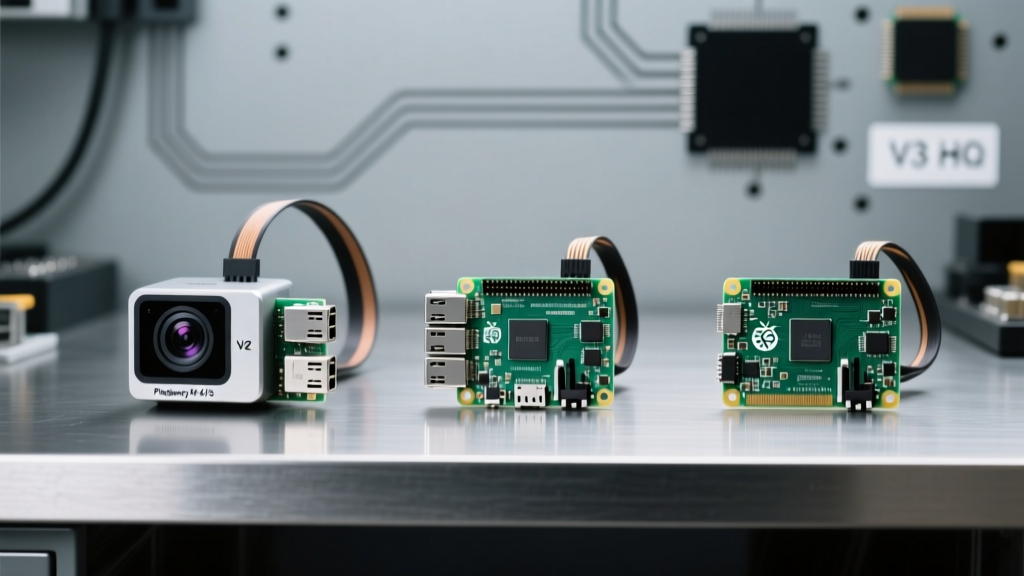
Wildlife monitoring requires high-resolution optics and edge-computing capabilities. @AvianTech submitted a stunning bird feeder build utilizing the Raspberry Pi 4 Model B (4GB variant) paired with the Arducam IMX477 HQ Camera. The true brilliance of this project lies in its software stack: a custom Python script utilizing TensorFlow Lite to classify bird species in real-time. To handle the thermal load of continuous video processing, the builder integrated a 5V copper heatsink and a silent 30mm Noctua fan. Power is delivered via a solar-charged 12V LiFePO4 battery pack stepped down to 5.1V via a high-efficiency buck converter, ensuring the Pi never experiences brownouts during peak sunlight hours.
3. Portable Penetration Testing Drop-Box (Pi 5)
For cybersecurity professionals, physical access is everything. @NetStumbler shared a covert "drop-box" built on the Raspberry Pi 5 (8GB). Leveraging the Pi 5’s new PCIe 2.0 interface, the builder bypassed the microSD card entirely, booting Kali Linux from a 256GB M.2 NVMe SSD via a custom GPIO-to-PCIe adapter. This not only reduces boot times to under 12 seconds but also eliminates SD card corruption during heavy packet-capture logging. The setup includes an Alfa AWUS036ACH Wi-Fi adapter for packet injection and a 4G LTE HAT for remote command-and-control telemetry. The entire rig is concealed inside a hollowed-out, non-functional enterprise network switch to blend into server room environments.
4. Automated Hydroponics Nutrient Doser (Pi 3B+)
Agricultural tech meets SBCs in this robust greenhouse project. Using the older but highly reliable Raspberry Pi 3B+, @AgriHacker built an automated dosing system for a deep-water culture (DWC) hydroponic setup. The Pi reads data from Atlas Scientific EZO pH and Electrical Conductivity (EC) sensors via an I2C multiplexer. Based on predefined thresholds, the Pi triggers a 4-channel relay HAT to activate peristaltic pumps, injecting precise milliliter amounts of pH-up, pH-down, and liquid nutrients. Because the greenhouse lacks reliable Wi-Fi, the builder utilized a PoE (Power over Ethernet) HAT, allowing both data and power to be delivered over a single Cat6 cable run from the main router.
Hardware & Component BOM Breakdown
Understanding the Bill of Materials (BOM) is critical for replicating or iterating on these community builds. Below is a structured breakdown of the core components, power requirements, and estimated costs for the projects featured above.
| Project | Core SBC | Key Sensor / Peripheral | Power Requirement | Est. Cost (USD) |
|---|---|---|---|---|
| Zero-Wire Satellite | Pi Zero 2 W | Sonoff Zigbee 3.0 Dongle | 5V / 2.5A (Micro-USB) | $45 |
| AI Bird Feeder | Pi 4 Model B (4GB) | Arducam IMX477 12MP | 5.1V / 3.0A (USB-C) | $135 |
| Pentest Drop-Box | Pi 5 (8GB) | 256GB M.2 NVMe SSD | 5V / 5.0A (USB-C PD) | $180 |
| Hydroponics Doser | Pi 3B+ | Atlas Scientific EZO I2C | 48V PoE (Active HAT) | $160 |
Overcoming Common Community Build Hurdles
Building hardware in the real world rarely goes exactly as planned. Our community members documented several critical failure modes during the development of these raspberry pi diy projects, along with the engineering solutions they implemented to resolve them.
Thermal Throttling in Enclosed 3D-Printed Cases
When @AvianTech initially housed the Pi 4 Bird Feeder in a standard PLA 3D-printed enclosure, the internal ambient temperature reached 65°C on sunny days. Because PLA has a glass transition temperature of roughly 60°C, the enclosure began to warp, misaligning the camera lens. Furthermore, the Pi 4 was thermally throttling its CPU at 80°C, causing dropped frames in the video feed. The Solution: The builder reprinted the enclosure using PETG filament, which withstands temperatures up to 80°C without deforming, and integrated a passive copper heat pipe leading to an external finned heatsink outside the enclosure.
SD Card Corruption in High-Write Environments
MicroSD cards are notorious for failing when subjected to continuous write cycles. During the beta testing of the Home Assistant Satellite, @FluxBuilder88 experienced two corrupted SanDisk Ultra cards within a month due to the constant logging of MQTT state changes and local database writes. The Solution: For low-budget builds, switching to a SanDisk High Endurance or Samsung PRO Endurance microSD card (designed for dashcams and continuous surveillance) extends the lifespan significantly. For mission-critical nodes like the Pi 5 Drop-Box, booting directly from an NVMe SSD via the PCIe interface completely bypasses the unreliability of SD card silicon.
How to Submit Your Build to ElectricalFlux
The projects highlighted in this showcase represent just a fraction of the ingenuity present in the SBC community. Whether you have engineered a custom I2C multiplexer HAT, built a retro-gaming console with a custom GPIO controller, or deployed a fleet of Pi-powered environmental sensors, we want to see your work. To submit your build for a future community showcase, prepare a detailed write-up including your schematic, BOM, software stack, and at least three high-resolution photos of your physical wiring and enclosure. Head over to the ElectricalFlux Community Portal and tag your submission with #CommunityShowcase. Your project could be the next one to inspire thousands of makers worldwide.