
The Definitive Guide to Upgrading Your Philippines Electrical Outlet
If you live in the Philippines, you are likely familiar with the frustrating reality of loose-fitting plugs, ungrounded two-prong sockets, and the occasional spark when plugging in a high-draw appliance like an inverter air conditioner or a microwave oven. As of 2026, the push toward modernizing residential electrical infrastructure has never been stronger. Upgrading your Philippines electrical outlet infrastructure is no longer just about aesthetic improvements; it is a critical safety mandate driven by the increasing power demands of modern smart homes, high-efficiency appliances, and fast-charging electronics.
Many older Philippine homes, particularly those built before the year 2000, were wired with ungrounded Type A or Type C receptacles. These outdated configurations pose severe shock and fire hazards, especially in a tropical climate where high humidity and frequent typhoons can compromise insulation and grounding integrity. This comprehensive upgrade and replacement guide will walk you through the technical nuances of the Philippine electrical grid, the latest Philippine Electrical Code (PEC) mandates, and the best receptacle brands available on the market today.
Understanding the Philippine Receptacle Landscape
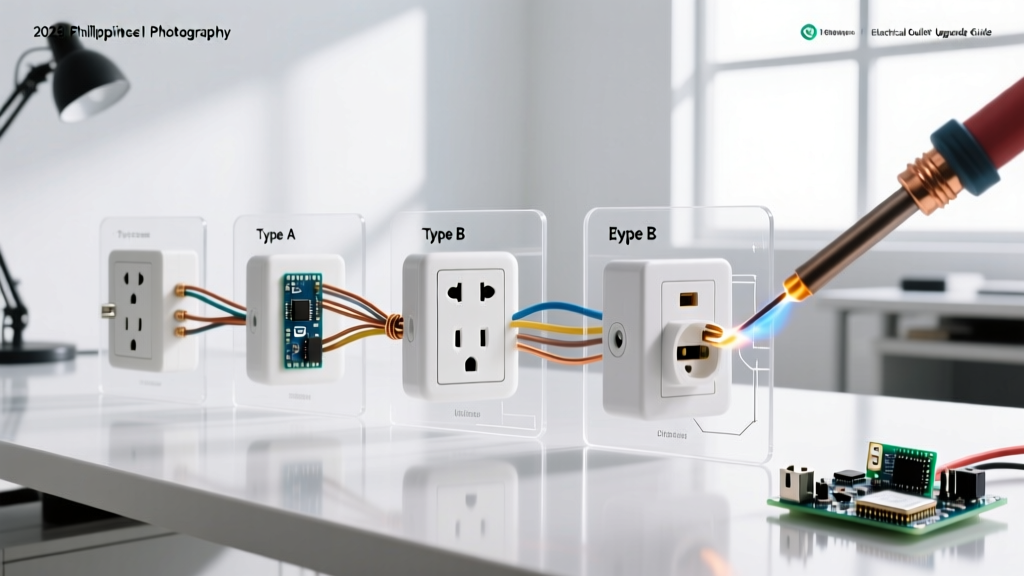
The Philippines utilizes a unique mix of plug and socket types, largely influenced by its historical ties to the United States and the subsequent influx of European and Asian appliances. Before you purchase replacement receptacles, you must understand the three primary types found in Filipino households.
| Outlet Type | NEMA / IEC Standard | Pins | Grounding | Common Usage in PH |
|---|---|---|---|---|
| Type A | NEMA 1-15 | Two flat parallel | No | Older homes, low-draw electronics (lamps, phone chargers) |
| Type B | NEMA 5-15 / 5-20 | Two flat parallel + round ground | Yes | Modern homes, refrigerators, air conditioners, PCs |
| Type C | CEE 7/16 (Europlug) | Two round pins | No | Imported European appliances, shavers, universal strips |