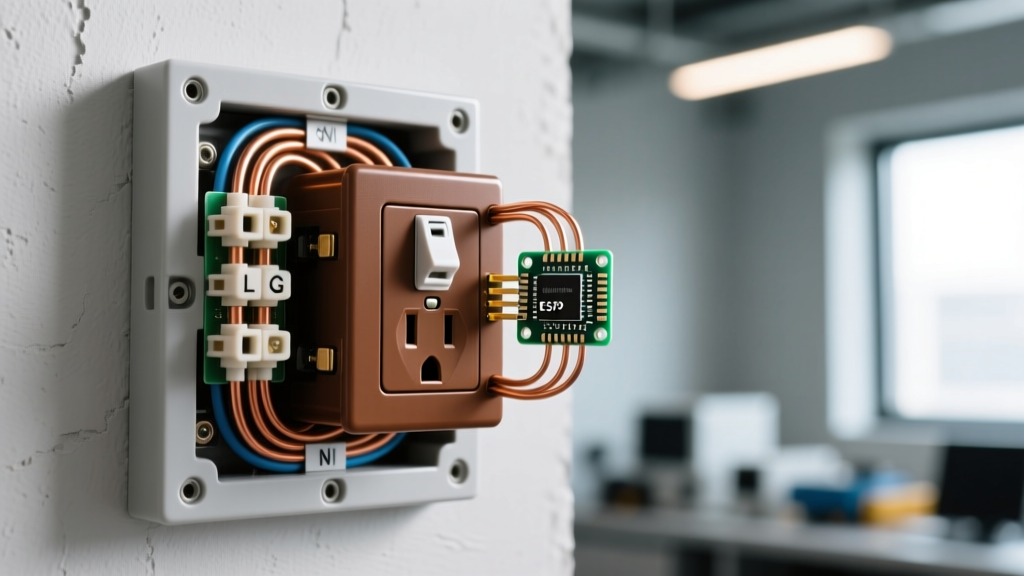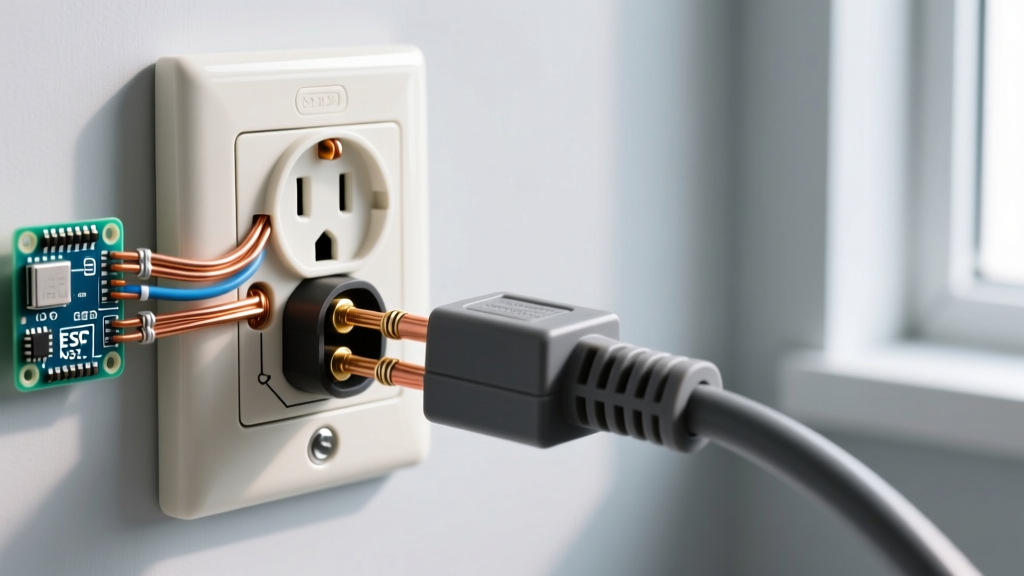

The Terminology Trap: What is an Electrical Outlet Extension Cord?
When homeowners and DIYers search for an electrical outlet extension cord, they are usually trying to solve a specific problem: a lack of accessible wall receptacles in a room. However, this search term conflates two entirely different electrical devices with vastly different safety profiles and legal code requirements. On one hand, you have the standard flexible extension cord (a temporary power transmitter). On the other, you have an outlet extender or multi-outlet tap (a device that plugs directly into a fixed wall receptacle to multiply the number of available plugs).
Understanding the distinction is not just a matter of semantics; it is a critical safety issue governed by the National Electrical Code (NEC). Using a flexible extension cord as a permanent substitute for fixed building wiring is one of the most common residential code violations in the United States, leading to thousands of structure fires annually. In this guide, we break down the exact NEC mandates, the physics behind the hazards, and the code-compliant alternatives you can install in 2026.
The Core NEC Mandate: Article 400.8 Explained
The definitive rule governing flexible cords is found in NFPA 70: National Electrical Code (NEC) Article 400.8. The code explicitly states that flexible cords and cables shall not be used as a substitute for the fixed wiring of a structure. Furthermore, they cannot be run through holes in walls, structural ceilings, suspended ceilings, dropped ceilings, or floors.
NEC 400.8(1) Uses Not Permitted: 'Unless specifically permitted in 400.10, flexible cords and cables shall not be used as a substitute for the fixed wiring of a structure.'
If you route an extension cord behind drywall, under baseboards, or through a ceiling cavity to power a new TV mount or ceiling fan, you have immediately violated the NEC. The rationale is rooted in how flexible cords are manufactured versus how permanent Non-Metallic Sheathed Cable (NM-B, commonly known as Romex) is built.
Why the Code Bans Permanent Cord Use
- Lack of Physical Protection: NM-B cable features a rugged outer PVC jacket and a paper/fiberglass wrap designed to resist abrasion when pulled through wooden studs. Extension cords lack this abrasion resistance; pulling them through wall cavities can easily strip the outer jacket, exposing live conductors to grounding surfaces.
- Heat Dissipation: Permanent wiring is rated for specific ambient temperatures inside insulated walls. Flexible cords are designed for open-air heat dissipation. When bundled, coiled, or buried in wall insulation, the heat generated by electrical resistance cannot escape, leading to thermal runaway.
- Overcurrent Protection Mismatches: A standard residential breaker is 15A or 20A. Many off-the-shelf extension cords use 16 AWG or 18 AWG wire, which will melt and ignite long before a 15A breaker trips.
The Physics of Thermal Runaway in Undersized Cords
To understand the danger of using an extension cord as a permanent fixture, we must look at the electrical resistance of copper wire. A standard 16 AWG extension cord has a resistance of approximately 4.016 ohms per 1,000 feet. If you run a 50-foot cord (100 feet total conductor length for hot and neutral) and draw a continuous 12A load (like a space heater or a high-end gaming PC setup), the cord will dissipate roughly 5.7 watts of heat per foot.
While this may sound negligible, PVC insulation on cheap cords begins to degrade and soften at temperatures exceeding 60°C (140°F). If the cord is trapped under a rug, pinned behind a heavy dresser, or wrapped tightly around a pipe, that heat accumulates. According to the Electrical Safety Foundation International (ESFI), misuse of extension cords and temporary wiring causes approximately 3,300 home fires every year, resulting in dozens of fatalities and hundreds of injuries.
Comparing Your Options: Code Compliance & Cost Matrix
If you need power in a location without a wall receptacle, you must choose a code-compliant solution. Below is a comparison of common methods, evaluated against current 2026 electrical standards and average market costs.
| Solution Type | NEC Compliance (Permanent) | Max Continuous Load | Avg. 2026 Cost | Best Use Case |
|---|---|---|---|---|
| Standard Extension Cord | No (Temporary Only) | Varies (10A - 15A) | $15 - $45 | Temporary outdoor tools, holiday lighting |
| Wall-Mounted Outlet Tap | Yes (UL 498 Listed) | 15A (1800W) | $8 - $25 | Expanding plugs behind a TV or desk |
| Surface Raceway (Wiremold) | Yes (NEC Article 344) | 15A or 20A Circuit | $40 - $90 (DIY) | Renting, finished walls where fishing wire is impossible |
| New Hardwired Receptacle | Yes (NEC Article 210) | 15A or 20A Circuit | $225 - $450 (Pro) | Permanent home additions, kitchen islands |
Code-Compliant Alternatives to Extension Cords
If your goal is to multiply the number of available plugs at an existing wall location, you are looking for an outlet tap or receptacle extender, not an extension cord. Let us explore the legal ways to expand your electrical capacity.
1. Direct-Plug Outlet Taps (UL 498 Standard)
Devices like the Leviton 6-Outlet Tap (Model R50-00950-000) plug directly into the top and bottom receptacles of a standard duplex outlet. Because they do not feature a flexible cord, they do not violate NEC 400.8. However, you must ensure the total load on the circuit does not exceed the breaker rating. If you plug a 1500W space heater and a 400W desktop computer into the same tap on a 15A (1800W total capacity) circuit, you will trip the breaker.
2. Relocatable Power Taps (Power Strips)
Power strips (UL 1363 listed) feature a short, heavy-duty cord (usually under 6 feet) and internal overcurrent protection (a built-in breaker). While they are legal for use with plug-in appliances and IT equipment, NEC 400.8 still prohibits routing their cords through walls, ceilings, or under floor coverings. Furthermore, OSHA strictly prohibits 'daisy-chaining' power strips in commercial environments under OSHA 1910.305 wiring regulations.
3. Surface Metal or PVC Raceways
If you need an outlet on the opposite side of a room but cannot cut into the drywall, surface raceways (like the Wiremold V7000 series) are the NEC-compliant answer. These channels mount directly to the surface of your wall or baseboard. You can legally run THHN copper wire or approved NM cable inside them to a new, code-compliant surface-mounted receptacle box. This satisfies the requirement for physical protection of the conductors without violating the 'fixed wiring' rule.
Step-by-Step: Adding a Compliant Receptacle via Surface Raceway
For DIYers looking to solve the 'electrical outlet extension cord' dilemma permanently without hiring an electrician (which currently averages $95 to $140 per hour in 2026), surface raceway is the optimal path.
- Map the Circuit: Identify an existing outlet on a non-GFCI/AFCI protected circuit (unless you are extending the load side of the protected device). Turn off the breaker and verify with a non-contact voltage tester.
- Install the Starter Box: Remove the faceplate of the existing outlet. Install a raceway starter box over the existing device, feeding the new conductors into the wiremold channel.
- Run the Channel: Cut the PVC or metal raceway to length using a fine-tooth saw. Adhere or screw it along the baseboard or wall corner.
- Pull the Wire: Use 12 AWG or 14 AWG THHN wires (Hot, Neutral, Ground) matching the source circuit's gauge. Never mix 14 AWG wire on a 20A breaker circuit.
- Terminate at the New Box: Mount the surface receptacle box at your destination. Connect the wires to a standard 15A or 20A duplex receptacle, ensuring the ground pigtail is securely fastened to the green grounding screw and the metal box (if using metal raceway).
Frequently Asked Questions (FAQ)
Can I hide an extension cord under an area rug?
No. This is a severe fire hazard and a direct violation of NEC 400.8(2), which forbids running flexible cords through doorways, windows, or under floor coverings. Foot traffic degrades the internal copper stranding, increasing resistance and generating hidden heat that can ignite the rug.
Is it legal to use an extension cord to power a wall-mounted TV?
No. In-wall rated power kits (which use NM-B Romex and a recessed inlet box) are the only code-compliant way to hide power cables behind drywall for a TV. Dropping a standard extension cord behind the wall voids your home insurance in the event of a fire.
What is the maximum length for a temporary extension cord?
The NEC does not specify a hard length limit for temporary use, but it dictates voltage drop limitations. For a 120V circuit, a 3% voltage drop is the recommended maximum. Using a 16 AWG cord longer than 50 feet on a 10A load will result in damaging voltage drop to sensitive electronics.
Final Verdict
The search for an 'electrical outlet extension cord' usually stems from a need for more power access. However, relying on flexible cords for permanent power is a dangerous code violation. By pivoting to UL-listed outlet taps for localized needs, or installing surface raceways for distant power requirements, you ensure your home remains safe, insured, and fully compliant with the National Electrical Code.