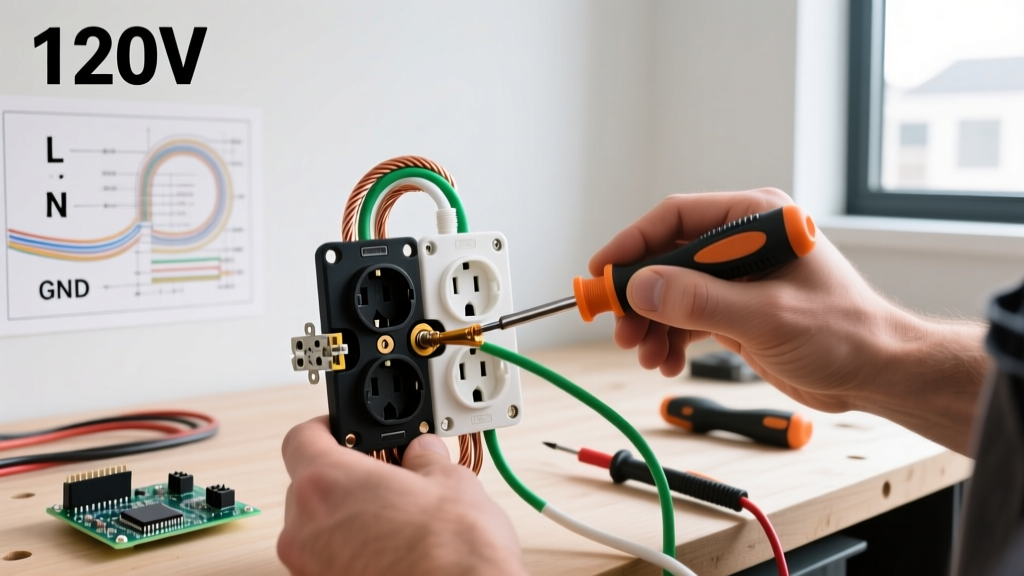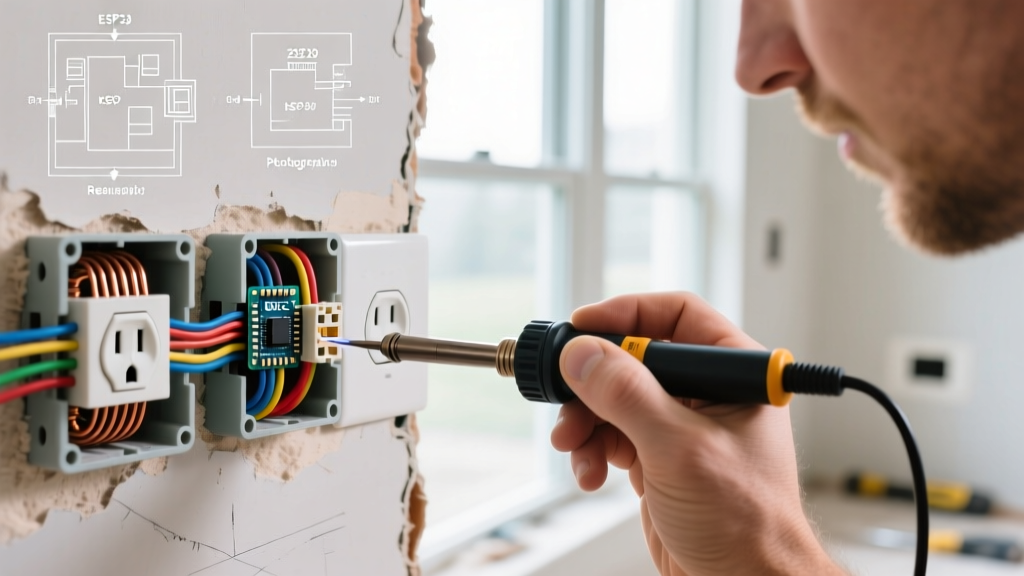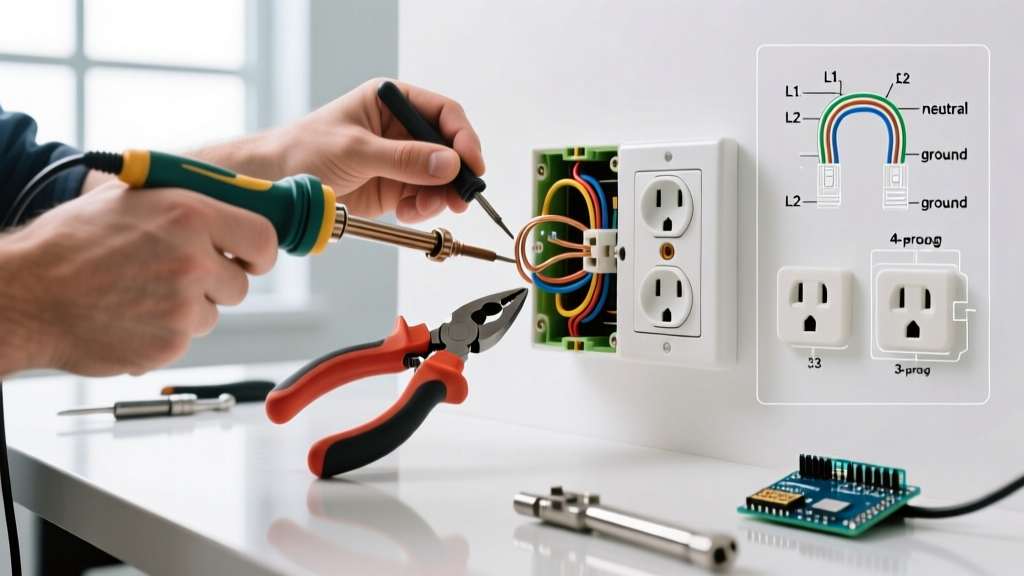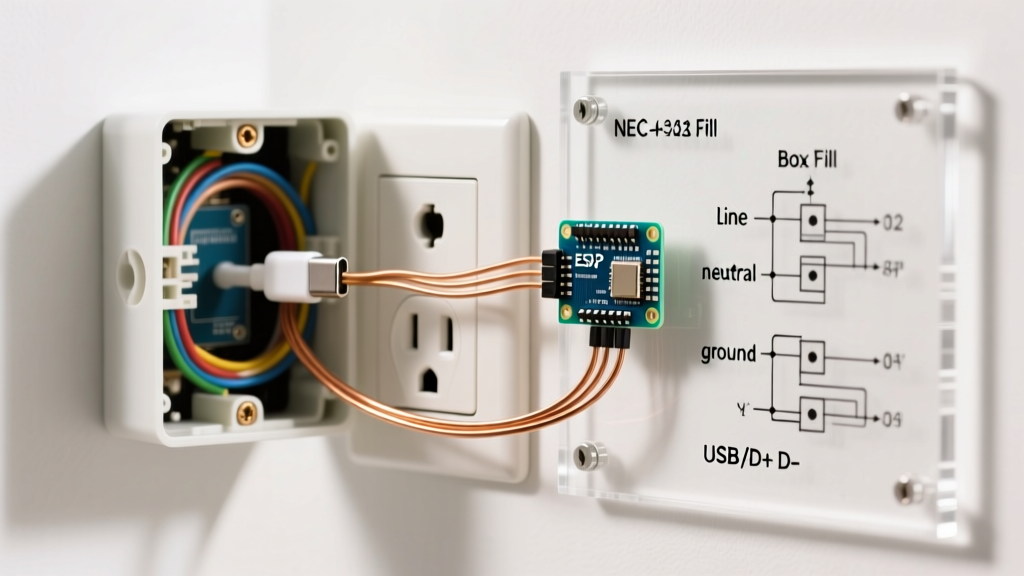

What Qualifies as an Extension Box Electrical Outlet?
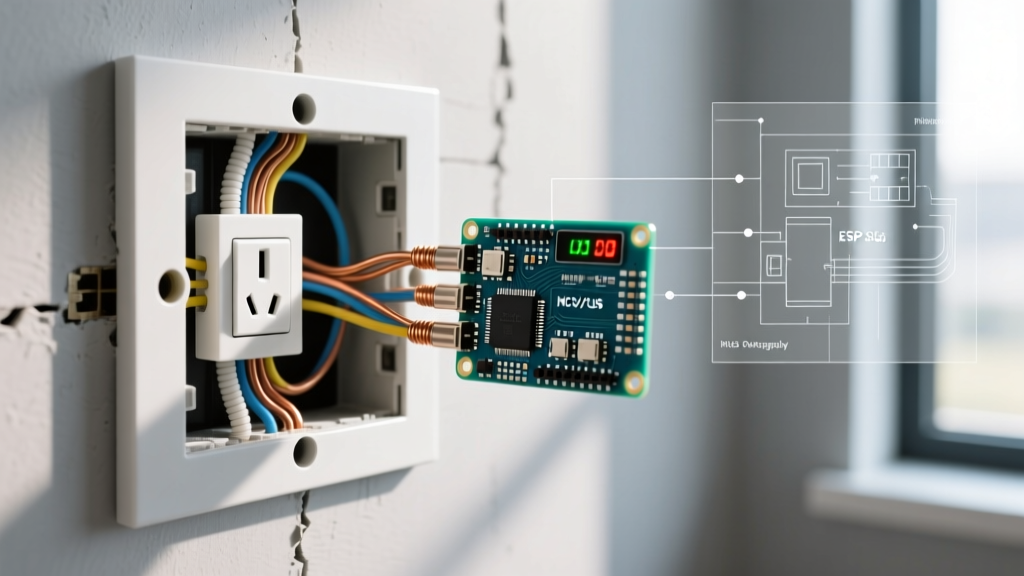
Upgrading older homes with modern electrical devices often reveals a frustrating physical limitation: standard junction boxes are simply too shallow. Whether you are installing a deep-body GFCI receptacle, a bulky smart dimmer, or adding new cable runs to an existing circuit, you may quickly run out of physical space. This is where an extension box electrical outlet configuration becomes necessary. However, the National Electrical Code (NEC) has strict, non-negotiable rules regarding how you can legally extend the depth or surface area of an existing outlet box.
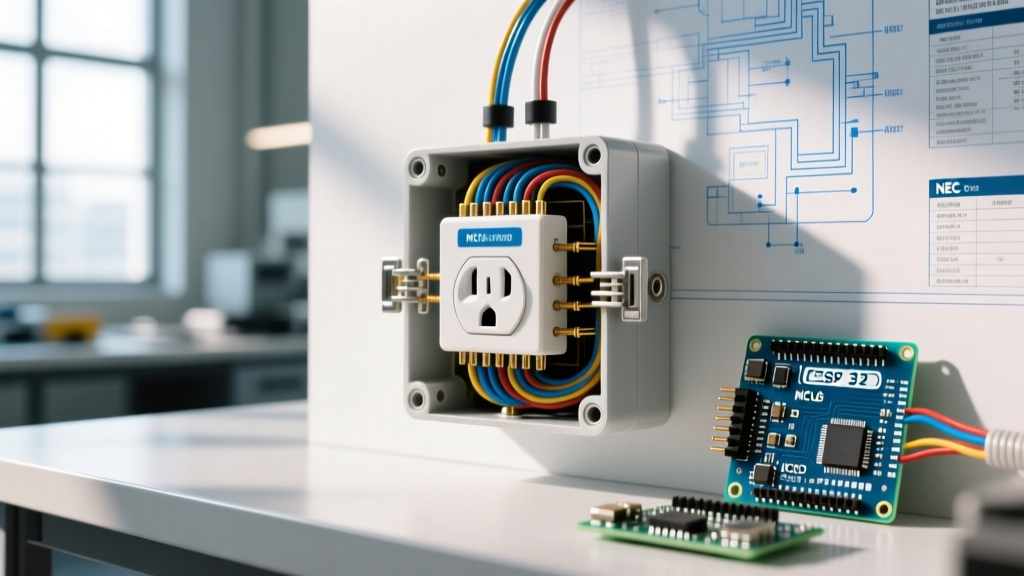
Before pulling wires, it is critical to understand the terminology used by inspectors and the National Fire Protection Association (NFPA 70). In the electrical trade, the phrase 'extension box' generally refers to one of two distinct hardware solutions:
- Extension Rings (Flush Extensions): Metal or non-metallic rings that bolt directly onto the front of an existing flush-mounted box to add cubic-inch volume and depth.
- Surface Outlet Box Extensions: Surface-mounted raceway boxes (like the Hubbell Wiremold V700 series) that attach over a flush box to route wiring along the surface of a wall without tearing open the drywall.
In 2026, the proliferation of Matter-over-Thread smart switches and high-wattage Wi-Fi relays means electricians are frequently stuffing 14/3 Romex, neutral pigtails, and 1.5-inch deep smart modules into standard 14-cubic-inch boxes. Understanding the code requirements for extending these boxes is essential for passing inspection and preventing fire hazards.
NEC 314.20: The Flush-Mounting and Recess Mandate
The most common reason an electrician installs an extension ring is to correct a recessed box violation. When a wall is finished with new tile, wood paneling, or an extra layer of drywall, the original outlet box is pushed back from the finished surface. NEC Article 314.20 strictly governs the maximum allowable gap between the front edge of the box and the finished wall surface.
Combustible vs. Non-Combustible Surfaces
The code draws a hard line based on the flammability of the wall material. If the wall or ceiling is constructed of wood, drywall, or any other combustible surface material, the box, plaster ring, or extension ring must be flush with or project beyond the finished surface. Zero gaps are permitted. If a box is recessed behind wood paneling, an arc fault or overheated connection could easily ignite the surrounding wood. An extension ring is legally required to bridge this gap.
For non-combustible surfaces like concrete, tile, or plaster, the NEC allows a slight recess. The front edge of the box or extension ring cannot be set back more than 1/4 inch (6 mm) from the finished surface. If your tiled backsplash leaves the outlet box recessed by 3/8 inch, you must install a 1/4-inch or 1/2-inch extension ring to achieve code compliance.
Inspector's Note: 'I frequently fail renovations where DIYers use extra-long mounting screws to bridge a 1/2-inch gap between a recessed box and a combustible wood wall. The device yoke is not designed to act as a structural box extension. This violates NEC 314.20 and creates a severe fire and shock hazard.' — Senior Electrical Inspector, 2026 Field Notes
Solving Box Fill Violations with Extension Rings (NEC 314.16)
Beyond physical depth, the NEC mandates strict box fill calculations to prevent overcrowding, which can damage wire insulation and cause overheating. NEC Article 314.16 dictates exactly how much cubic-inch volume is required for every wire, clamp, and device inside the box. When you add a new smart switch or splice an additional cable, you often exceed the original box's legal capacity.
Adding an extension ring is the most code-compliant way to increase the legal cubic-inch volume of an existing outlet box without cutting open the wall to replace the entire box. For example, a standard single-gang metal mud ring provides roughly 14 cubic inches of space. If your new wiring configuration requires 19 cubic inches, adding a 3/4-inch deep extension ring (which typically adds 5.25 cubic inches) brings your total legal volume to 19.25 cubic inches, instantly resolving the violation.
Box Fill Volume Allowances & Extension Ring Capacities
To calculate if your extension box electrical outlet setup is legal, use the table below based on NEC Table 314.16(B). Remember to count the device (switch/receptacle) as two volumes of the largest wire connected to it.
| Conductor Size (AWG) | Volume Required per Conductor | Device Yoke Allowance (2x) | Grounding Allowance (1x) |
|---|---|---|---|
| 14 AWG | 2.0 cu in. | 4.0 cu in. | 2.0 cu in. |
| 12 AWG | 2.25 cu in. | 4.5 cu in. | 2.25 cu in. |
| 10 AWG | 2.5 cu in. | 5.0 cu in. | 2.5 cu in. |
| Extension Ring Size (1-Gang) | Approximate Added Volume | Best Use Case |
|---|---|---|
| 1/4 Inch (Tile Ring) | ~1.5 cu in. | Correcting 1/4' recess on non-combustible tile walls. |
| 1/2 Inch Ring | ~3.5 cu in. | Standard smart switches, minor wire additions. |
| 3/4 Inch Ring | ~5.25 cu in. | Deep GFCI receptacles, Wi-Fi relays, 14/3 + 14/2 splices. |
Surface Box Extensions vs. Flush Extension Rings
Sometimes, adding depth isn't enough; you need to add entirely new circuits or route wires to a new location without destroying finished plaster or historic masonry. This is where surface outlet box extensions come into play, governed by NEC Article 344 (Surface Raceways) and general surface extension rules.
Products like the Hubbell Wiremold V700 Series allow you to mount a surface extension box directly over an existing flush outlet. You remove the original cover plate, attach the Wiremold base plate to the existing box, and route new surface-mounted raceways to a new surface extension box. This is entirely legal and highly common in commercial retrofits, basements, and garages. However, the original flush box must still meet all box-fill requirements before the surface extension is attached. You cannot use a surface extension to bypass a box-fill violation at the origin point.
Grounding and Bonding Requirements (NEC 250.148)
When installing a metal extension ring over a metal outlet box, grounding continuity is paramount. According to OSHA electrical safety standards and NEC 250.148, the equipment grounding conductor must be bonded to the metal box and the metal extension ring.
If you are using a metal extension ring, you must ensure a continuous ground path. This is typically achieved by:
- Using a grounding pigtail connected to the incoming bare copper ground wire, the metal box, and the metal extension ring via a green grounding screw or grounding clip.
- Ensuring the mounting screws between the box and the extension ring are tight and free of paint or corrosion to maintain metal-to-metal continuity.
- If using non-metallic (PVC) extension rings, standard device grounding applies, but box bonding is not required.
Warning: Never rely solely on the device yoke screws to ground a metal extension ring. If the switch or receptacle is removed for servicing, the extension ring will become energized and ungrounded, creating a lethal shock hazard. Always use a dedicated bonding jumper.
Code Compliance Checklist for Inspectors
Before calling for your final rough-in or trim-out inspection, verify your extension box electrical outlet installation against this 2026 compliance checklist:
- Gap Verification: Is the front edge of the extension ring flush with combustible walls, or within 1/4 inch for non-combustible walls? (NEC 314.20)
- Box Fill Math: Have you calculated the total cubic inches of the original box PLUS the extension ring, and verified it exceeds the sum of all wires, clamps, and devices? (NEC 314.16)
- Hardware Compatibility: Are you using the correct extension ring for the box type? (e.g., Do not mix PVC rings with metal boxes unless specifically listed for the transition).
- Grounding Continuity: Are all metal boxes and metal extension rings bonded with a dedicated grounding pigtail or listed bonding jumper?
- Screw Length: Are you using the correct length 6-32 mounting screws? The screws must penetrate the original box's mounting holes by at least 1/4 inch. Using screws that are too short to grab the original box threads is an automatic fail.
- Plaster Ears Removed: If the extension ring has plaster ears (tabs meant for drywall support), they must be removed if they overlap the existing device yoke or prevent a flush fit.
Final Thoughts on Outlet Extensions
Utilizing an extension box electrical outlet setup is a standard, code-compliant practice when executed correctly. Whether you are bridging a 3/8-inch gap caused by a new subway tile backsplash or adding 5 cubic inches of volume to accommodate a modern smart dimmer, extension rings are an electrician's best friend. Always prioritize exact box-fill mathematics and rigorous grounding practices to ensure your installation is safe, durable, and ready to pass inspection on the first try.