
The Hidden Importance of Electrical Outlet Stickers
When upgrading a home's electrical system or troubleshooting a complex breaker panel, most DIYers and electricians focus on wire gauges, torque screwdrivers, and multimeter readings. However, one of the most critical—and frequently overlooked—components of a safe, code-compliant installation is the humble electrical outlet sticker. Far from mere decorative decals, modern outlet labels serve as vital safety warnings, circuit identifiers, and smart-home organizational tools.
As residential electrical systems grow more complex with the integration of Level 2 EV chargers, solar inverters, and Matter-compatible smart receptacles, the need for precise, durable labeling has never been higher. In this comprehensive material guide, we break down the exact types of electrical outlet stickers you need, the National Electrical Code (NEC) requirements for warning labels, and the material science behind adhesives that survive years of UV exposure and temperature fluctuations.
NEC-Compliant Warning Labels: What the Code Demands
The National Fire Protection Association (NFPA) outlines strict labeling requirements in the NEC to prevent shock hazards and equipment damage. Failing to apply the correct sticker can result in a failed inspection or, worse, a fatal accident.
Mandatory GFCI and AFCI Labeling
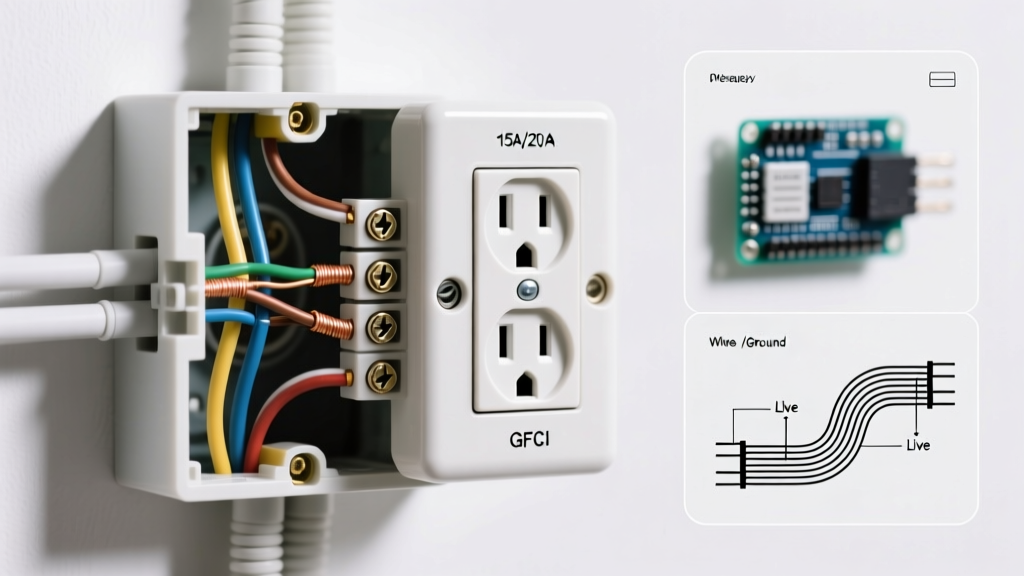
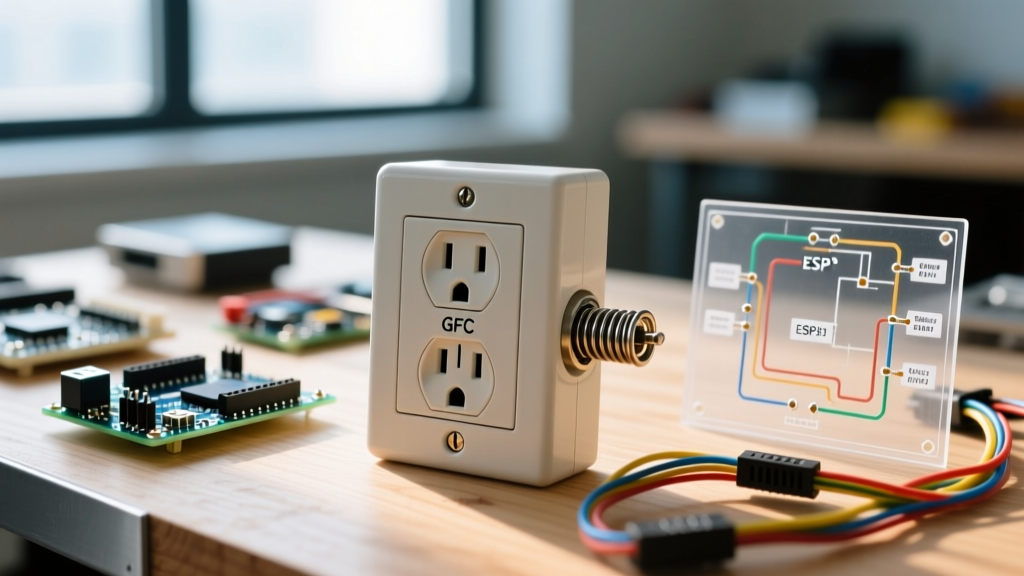
Under NEC Article 406.4(D)(4), if you replace a standard two-prong receptacle with a GFCI (Ground Fault Circuit Interrupter) outlet on a circuit that lacks an equipment grounding conductor, you are legally required to apply a specific warning sticker. The label must read "No Equipment Ground". This informs future users or technicians that while the outlet provides shock protection via the GFCI mechanism, it does not provide a true ground path for surge protectors or sensitive electronics.
Similarly, AFCI (Arc Fault Circuit Interrupter) and dual-function receptacles often require identification stickers indicating the type of protection provided, especially when the reset button is not immediately visible or when downstream outlets are protected by a single upstream GFCI/AFCI device.
High-Voltage and EV Charger Warnings
With the massive adoption of electric vehicles, many homeowners are installing NEMA 14-50 or 6-50 receptacles for Level 2 charging. The NEC and local inspectors increasingly require high-voltage warning stickers (e.g., "WARNING: 240V - EV CHARGING ONLY") to prevent users from plugging standard 120V appliances into modified or miswired high-amperage circuits. The Occupational Safety and Health Administration (OSHA) also mandates clear voltage warnings in commercial and multi-family residential installations to protect maintenance staff.
| Label Type | Required Text / Symbol | Typical Application | Estimated Cost (per roll) |
|---|---|---|---|
| GFCI No Ground | "No Equipment Ground" | 2-wire system GFCI retrofits | $8 - $12 (100 ct) |
| Downstream Protection | "GFCI Protected" | Standard outlets fed by upstream GFCI | $8 - $12 (100 ct) |
| High Voltage Warning | "DANGER 240V" + Lightning Bolt | NEMA 14-50, EV chargers, HVAC | $15 - $25 (50 ct) |
| Switched Receptacle | "Switched" or Red Dot Indicator | Half-hot outlets for lamps | $5 - $9 (50 ct) |
Material Science: Choosing the Right Sticker Vinyl
Not all stickers are created equal. Paper labels will yellow, peel, and degrade within months when exposed to the heat generated by high-amperage receptacles or the UV rays hitting an outdoor patio outlet. When sourcing electrical outlet stickers, you must select the correct substrate and adhesive.
Polyester vs. Vinyl vs. Paper
- Polyester (PET): The gold standard for electrical labeling. Materials like 3M 7871 Polyester offer exceptional heat resistance (up to 300°F), chemical resistance to cleaning solvents, and dimensional stability. They are tear-proof and ideal for indoor panels and high-load receptacles.
- Vinyl (PVC): Highly flexible and conformable, making it perfect for curved surfaces or textured Decora wall plates. Brady B-595 outdoor vinyl is UV-stabilized and features an aggressive acrylic adhesive that survives outdoor weather, rain, and temperature swings from -40°F to 180°F.
- Paper: Avoid paper stickers for any permanent electrical application. They absorb moisture, tear easily, and the adhesive dries out rapidly. They are only acceptable for temporary circuit-mapping during active troubleshooting.
Adhesive Technologies
For standard plastic (polycarbonate or nylon) wall plates, a standard acrylic adhesive provides a permanent bond. However, if you are applying stickers to painted drywall surrounding a recessed outlet, or to textured surfaces, you need a silicone-based or high-tack rubber adhesive to prevent edge-lifting over time.
Circuit Mapping and Smart Home Organization
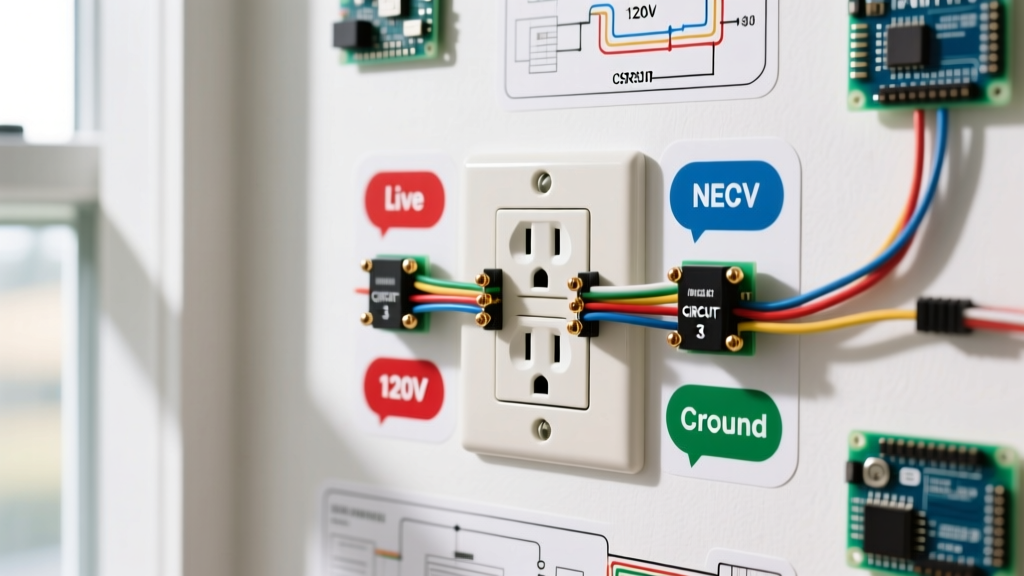
Beyond safety warnings, electrical outlet stickers are indispensable for circuit identification. In large homes or commercial buildings, knowing exactly which breaker controls a specific receptacle can save hours of troubleshooting.
Color-Coded Circuit ID
Many professional electricians use color-coded dot stickers (e.g., Avery 5408 series) placed in the corner of the outlet cover plate. A red dot might indicate a circuit tied to the living room, while a blue dot indicates a dedicated kitchen appliance circuit. This pairs seamlessly with a color-coded legend taped inside the main breaker panel.
Smart Home Node Labeling
In modern 2026 smart homes utilizing Thread or Matter protocols, outlets are often embedded with smart relays. Applying a discreet, laser-printed QR code sticker or a microscopic alphanumeric node ID (e.g., "Node 4A - Zigbee") near the receptacle allows technicians to scan and instantly pull up the device's IP address, mesh network status, and firmware version via a mobile app.
Application Protocol: Ensuring 10-Year Adhesion
Even the most expensive Brady or 3M label will fail if applied incorrectly. Wall plates accumulate microscopic layers of dust, cooking grease, and skin oils that destroy adhesive bonds. Follow this exact protocol for permanent application:
- Surface Preparation: Wipe the outlet cover plate with 99% isopropyl alcohol (IPA). Do not use standard household cleaners, as they leave a surfactant residue that prevents adhesion.
- Temperature Check: Ensure the ambient temperature and the surface temperature of the plate are above 50°F (10°C). Acrylic adhesives become brittle and fail to "wet out" properly in cold conditions.
- Application: Peel the sticker using tweezers to avoid transferring oils from your fingers to the adhesive backing. Apply firm, even pressure across the entire label for 10 seconds.
- Curing Time: Allow the adhesive to cure for 24 hours before cleaning the wall plate or exposing it to high humidity. The bond strength of acrylic adhesives increases significantly over the first 24 to 72 hours.
Pro Tip: If you are applying a "No Equipment Ground" sticker to a standard duplex plate, ensure the label dimensions do not exceed 1.5" x 0.5". This prevents the sticker from overlapping the plate's mounting screw holes, which makes future removal or plate replacement a frustrating, scraped-knuckle experience.
Child Safety: Stickers vs. Physical Inserts
When discussing electrical outlet stickers, it is vital to address child safety. Historically, parents relied on small plastic plug inserts to prevent toddlers from sticking objects into receptacle slots. However, the Consumer Product Safety Commission (CPSC) and modern pediatric safety guidelines have shifted away from these inserts.
The Problem with Plastic Inserts
Plastic inserts are easily removed by determined toddlers, creating a choking hazard. Furthermore, they can damage the internal brass contacts of the receptacle, leading to poor plug retention and increased arc-fault risks.
The Modern Alternative: Sliding Plates and Warning Decals
Instead of inserts, experts recommend installing Tamper-Resistant (TR) receptacles (now mandated by the NEC for all new residential construction) paired with sliding safety cover plates. For homes where TR outlets are not yet installed, high-visibility "DANGER: ELECTRICITY" warning stickers placed on the wall plate serve as a visual deterrent for older children and a reminder for caregivers, without introducing choking hazards or damaging the outlet's internal mechanics.
Final Thoughts on Sourcing and Compliance
Whether you are a licensed electrician ensuring your rough-in passes the final city inspection, or a meticulous DIYer mapping out a 40-circuit breaker panel, electrical outlet stickers are a non-negotiable part of the trade. Invest in polyester or UV-rated vinyl materials from trusted manufacturers like Brady, 3M, or Panduit. Avoid generic paper labels, adhere strictly to NEC Article 406 and 625 labeling mandates, and always prep your surfaces with isopropyl alcohol. A properly labeled electrical system is a hallmark of true craftsmanship and a critical safeguard for anyone who interacts with your home's power grid.