
The Mexican Electrical Grid: 127V, 60Hz, and NEMA Standards
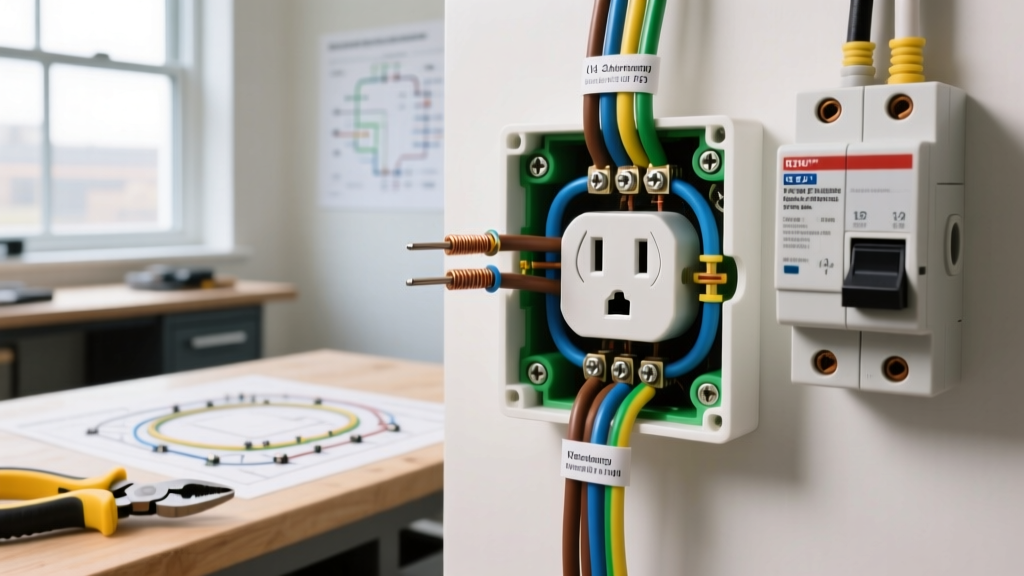
When relocating, investing in property, or managing a renovation south of the border, understanding how to wire an electric outlet in Mexico is a fundamental skill that diverges significantly from North American and European practices. While the receptacle faceplates may look familiar, the infrastructure behind the wall operates under a completely different set of physical and regulatory constraints.
Mexico operates on a 127V nominal voltage (often measuring between 115V and 125V at the receptacle under load) and a 60Hz frequency. According to the International Electrotechnical Commission (IEC), Mexico utilizes Type A (NEMA 1-15, ungrounded) and Type B (NEMA 5-15, grounded) plugs. The governing electrical code is the NOM-001-SEDE (Norma Oficial Mexicana), which is heavily modeled after the US National Electrical Code (NEC) but adapted for local construction methods and enforced by the Asociación de Normalización y Certificación (ANCE).
Critical Difference: Masonry Conduit vs. Wood Framing
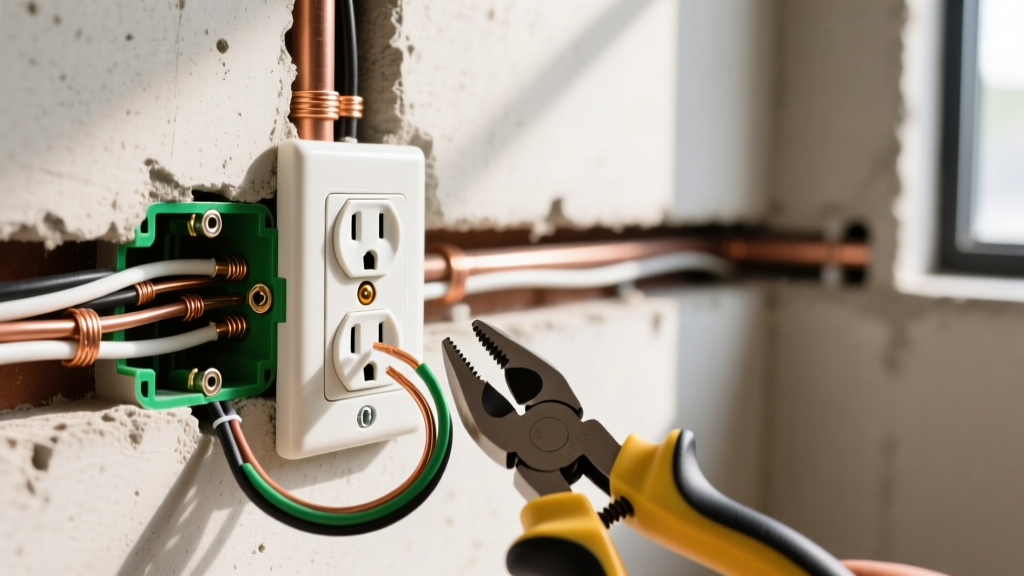
The most profound information gain for any DIYer or electrician working in Mexico is the building structure. In the US and Canada, residential wiring typically involves fishing NM-B (Romex) cable through wood-framed drywall cavities. In Mexico, residential construction is overwhelmingly masonry—consisting of concrete block, fired clay brick, and poured concrete columns (castillos).
Because of this, you cannot simply 'fish a wire through a wall.' Instead, Mexican electrical codes require individual conductors to be pulled through continuous conduit systems embedded directly into the masonry.
- Polietubo (Flexible PVC Conduit): Used for interior walls. Wires are pulled through this flexible, corrugated tubing before or after the wall is plastered.
- Tubería Conduit (EMT/Rigid Metal): Used for exposed commercial installations, outdoor runs, or structural concrete pours.
- THW-LS Wire: Instead of sheathed cable, you buy individual spools of THW-LS (Low Smoke) copper wire. The 'LS' designation is a strict modern requirement in Mexico to reduce toxic smoke during a fire.
Scenario 1: Upgrading Ungrounded 2-Wire Outlets in Older Homes
Homes built in Mexico prior to the mid-1990s frequently feature 2-wire ungrounded systems (Phase and Neutral only, no tierra física). If you are modernizing an older property in areas like San Miguel de Allende or Chapala, you will encounter these ungrounded NEMA 1-15 receptacles. Rewiring the entire masonry wall to pull a new ground wire through 30-year-old, often crushed or blocked polietubo is cost-prohibitive.
The NOM-001-SEDE GFCI Solution
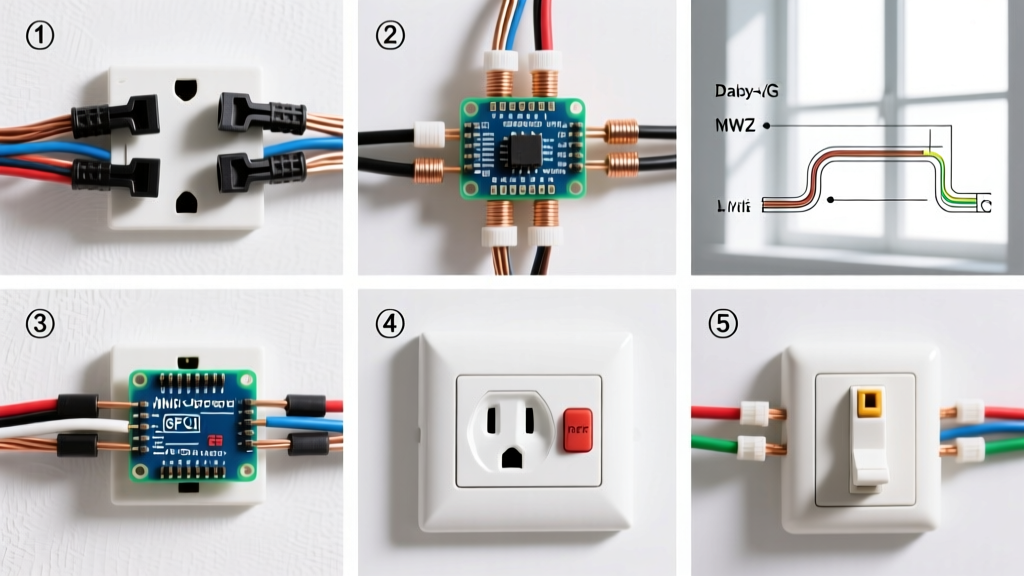
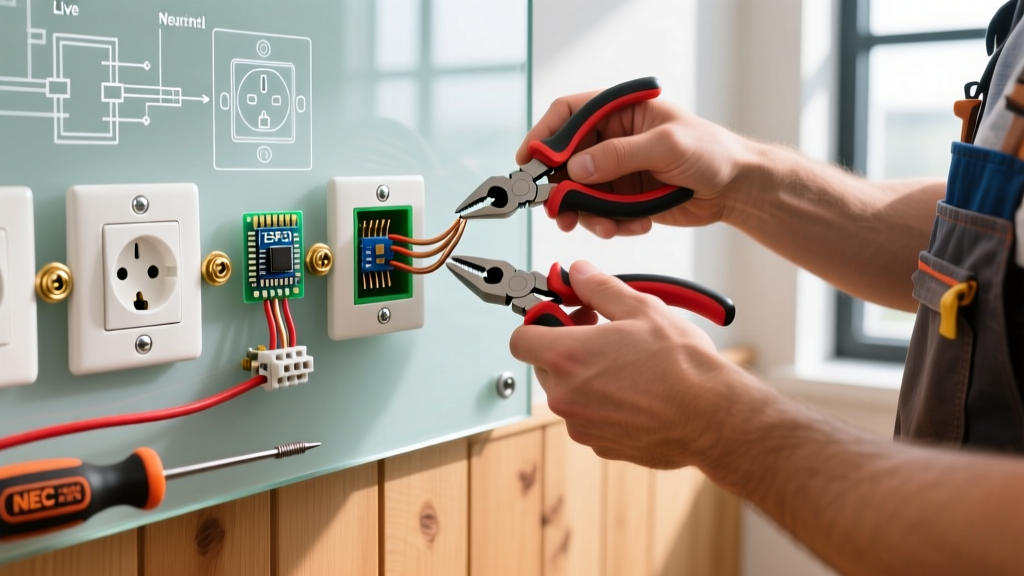
Similar to the NFPA guidelines in the US, Mexican code permits the replacement of an ungrounded receptacle with a GFCI (Ground Fault Circuit Interrupter) receptacle, provided it is marked 'No Equipment Ground' (Sin Conexión a Tierra). The GFCI protects the user from lethal ground faults by monitoring the current differential between the phase and neutral wires, entirely bypassing the need for a physical ground wire.
- Shut off the main breaker (interruptor general) and verify zero voltage with a non-contact tester.
- Extract the old receptacle. Note that older Mexican boxes are often octagonal or round metal boxes embedded in the brick, rather than standard US rectangular 'handy boxes'. You may need a round-to-rectangular adapter plate (placa adaptadora).
- Connect the Line wires. Connect the incoming Phase (usually black or red) to the brass LINE screw, and the Neutral (white) to the silver LINE screw. Do not connect anything to the LOAD terminals unless you are intentionally protecting downstream outlets.
- Leave the Ground screw empty. Cap any bare wires in the back of the box.
- Apply the warning sticker. Use the included 'GFCI Protected / No Equipment Ground' labels over the faceplate.
Scenario 2: Wiring a 20A Kitchen Appliance Circuit
Modern Mexican kitchens require dedicated 20A circuits for high-draw appliances like microwaves, blenders, and air fryers. Standard 15A circuits (wired with 14 AWG) will nuisance-trip under these loads.
Material and Routing Specifications
For a 20A kitchen circuit, you must use 12 AWG THW-LS copper wire. The conduit must be a minimum of 1/2-inch (13mm) internal diameter, though 3/4-inch is recommended if the run exceeds 15 meters to prevent voltage drop and wire pulling damage. The circuit must be protected by a 20A pastilla termomagnética (thermomagnetic breaker) in the centro de carga (load center).
Pro-Tip for Masonry Pulls: When pulling three individual 12 AWG wires (Phase, Neutral, Ground) through corrugated polietubo embedded in a block wall, friction is your enemy. Always use a silicone-based wire pulling lubricant. Never use dish soap, as it dries out, turns into a glue-like substance, and makes future wire replacements impossible.
Scenario 3: Outdoor Patios and Wet Location GFCI Protection
Outdoor living spaces are central to Mexican architecture. Wiring an electric outlet in Mexico for a patio, palapa, or pool area requires strict adherence to wet-location NOM standards.
- Receptacle Type: Must be a GFCI receptacle rated for outdoor use.
- Enclosure: Must be housed in a cast aluminum or heavy-duty polycarbonate weatherproof box (caja para intemperie) with an IP44 or IP65 rating.
- Covers: While-in-use bubble covers (tapa burbuja) are mandatory. Standard flat flip-covers are illegal for wet locations because they leave the plug exposed to driving rain.
- Conduit Sealing: Where the conduit enters the outdoor box, you must use a duct seal compound (masilla selladora) to prevent moisture and insects (particularly scorpions and tarantulas in desert regions) from migrating through the conduit into the electrical panel.
Local Sourcing: Brands, Pricing, and Availability
Sourcing electrical materials in Mexico involves visiting local ferreterías (hardware stores) or specialized electrical distributors like Casa Eléctrica or Grupo Elektra. US brands are available but often carry an import premium. Local and regional brands dominate the market and offer excellent UL/ANCE certified quality.
| Component | Common Mexican Brands | Approx. Cost (MXN) | Approx. Cost (USD) |
|---|---|---|---|
| 15A Duplex Receptacle (NEMA 5-15R) | Bticino, Pasiglo, Leviton (MX) | $45 - $90 MXN | $2.50 - $5.00 |
| 20A GFCI Receptacle | Square D, Bticino, Leviton | $350 - $600 MXN | $20.00 - $35.00 |
| 100m Spool 12 AWG THW-LS Wire | Condumex, IUSA, Koblenz | $1,800 - $2,400 MXN | $100 - $135 |
| 20A Breaker (Pastilla) | Square D (QO), Bticino, Schneider | $120 - $180 MXN | $7.00 - $10.00 |
| 1/2' Polietubo (30m roll) | Pavco, Mexalit | $250 - $350 MXN | $14.00 - $20.00 |
Note: Pricing reflects early 2026 market averages in central Mexico and may fluctuate based on regional supply chains and copper commodity indexes.
NOM-001-SEDE Color Codes and Troubleshooting
One of the most dangerous aspects of working on older Mexican properties is the historical lack of adherence to wire color codes. Before strict enforcement of NOM-001-SEDE, it was common for local electricistas to use whatever wire color was cheapest at the hardware store.
Modern Legal Color Codes
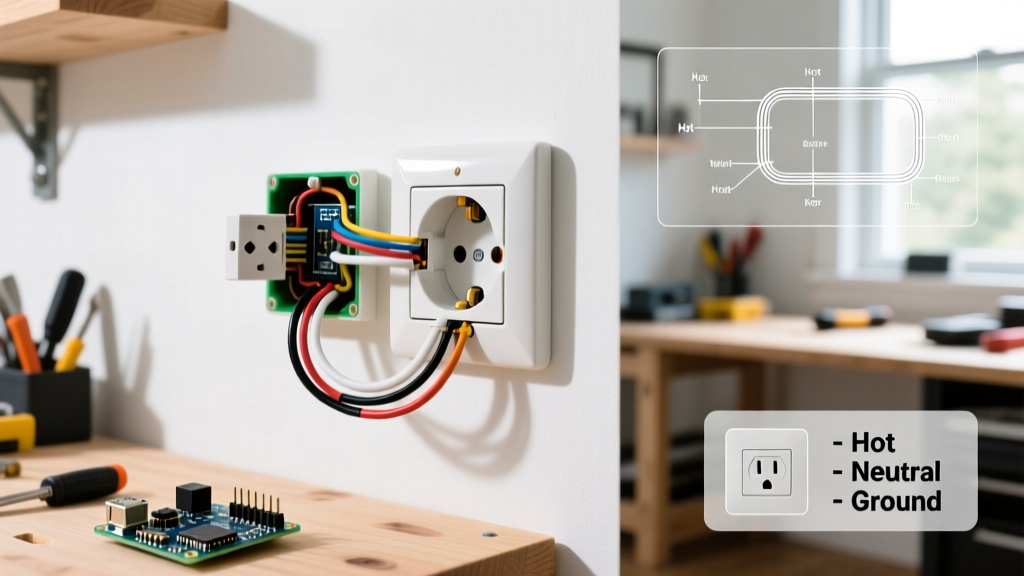
- Phase (Fase): Black, Red, or Blue. (Never White or Green).
- Neutral (Neutro): White or Gray.
- Ground (Tierra Física): Green or Green with a Yellow stripe.
Common Fault: The 'Shared Neutral' (Neutro Compartido)
In older Mexican switch loops and multi-wire branch circuits, electricians often saved money by sharing a single neutral wire between two different phase legs. If you are replacing a standard breaker with a GFCI or AFCI breaker in the main panel, a shared neutral will cause the breaker to trip immediately, as the GFCI will detect the returning current on the second phase as a ground fault. Troubleshooting step: Use a clamp meter around the neutral wire at the panel while both circuits are loaded. If the amperage reads near zero (canceling out), you have a shared neutral and must separate the circuits before installing ground-fault protection.
Safety Warning: Always verify the integrity of the main grounding system. In Mexico, the ground is typically established via a 2.4-meter (8-foot) Copperweld rod (varilla de tierra) driven into the soil near the meter base, connected with a bronze clamp (conector para varilla). In arid regions like Baja California or Sonora, soil resistance can be dangerously high. If your ground resistance tests above 25 ohms, you must install a secondary ground rod or treat the soil with conductive compounds like bentonite clay.