
The Technical Definition: Outlet vs. Receptacle
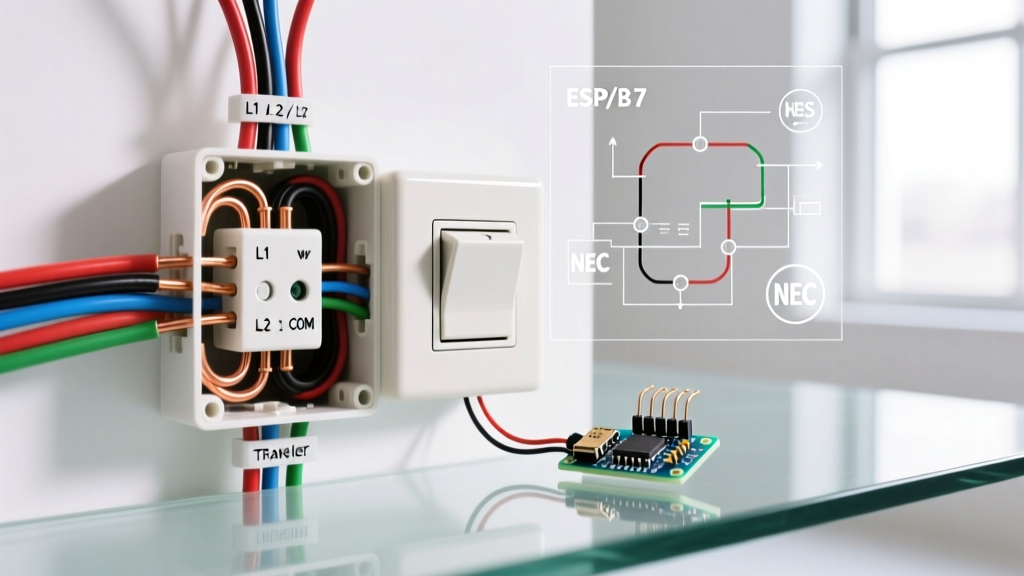
When DIYers and apprentices first attempt to define electrical outlet systems, they usually point to the plastic faceplate on the wall. However, in the professional electrical trade, precision in terminology is not just pedantic—it is a matter of safety and code compliance. To truly understand the materials and tools required for installation, we must first separate the 'outlet' from the 'receptacle'.
According to NFPA 70 (National Electrical Code) Article 100, an Outlet is 'a point on the wiring system at which current is taken to supply utilization equipment.' A Receptacle is 'a contact device installed at the outlet for the connection of an attachment plug.'
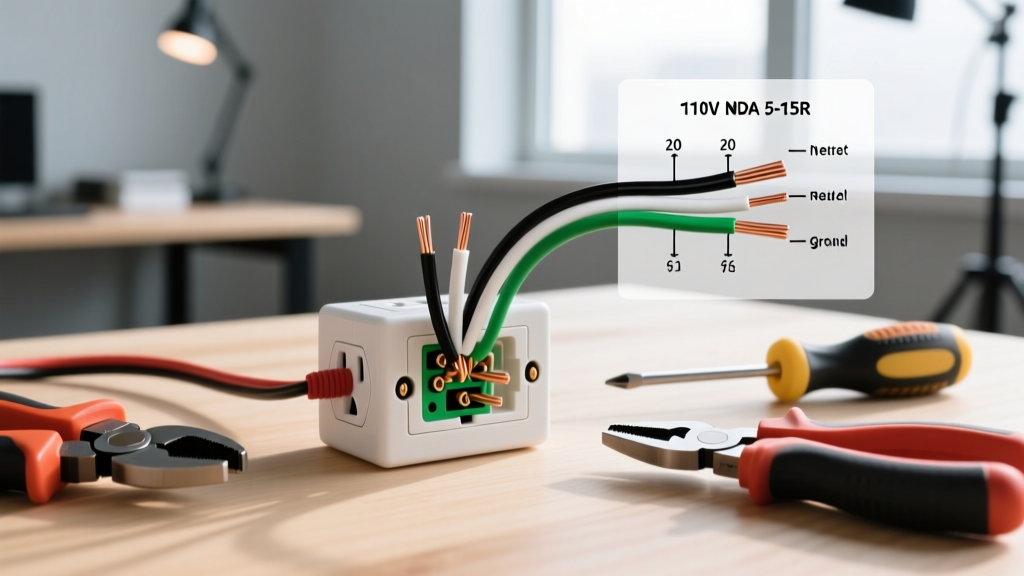
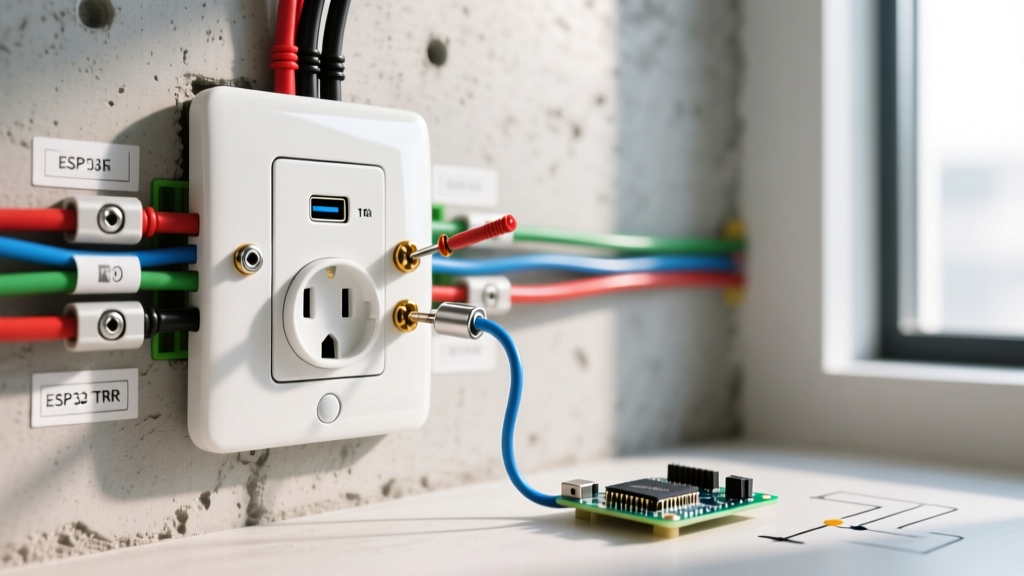
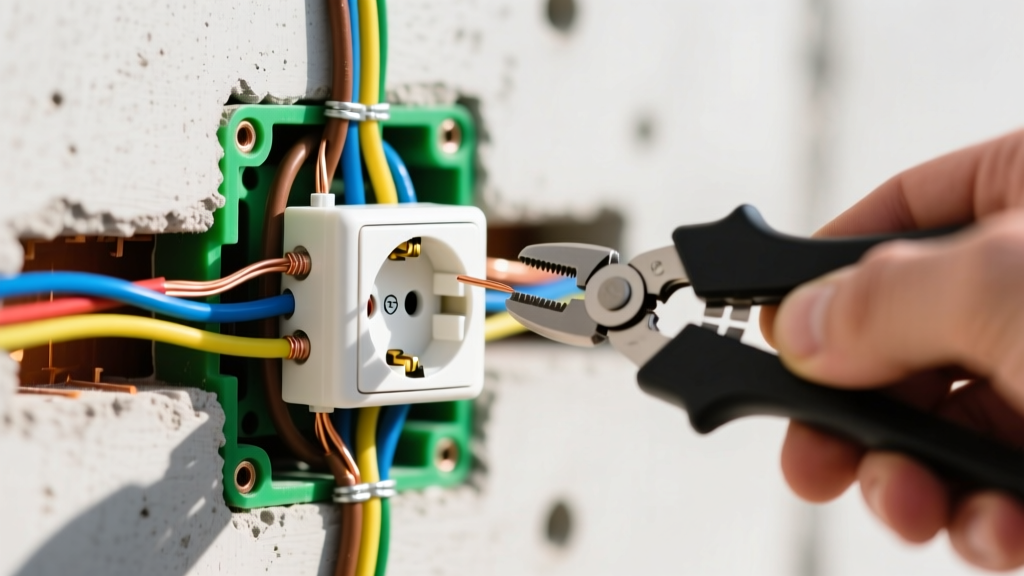
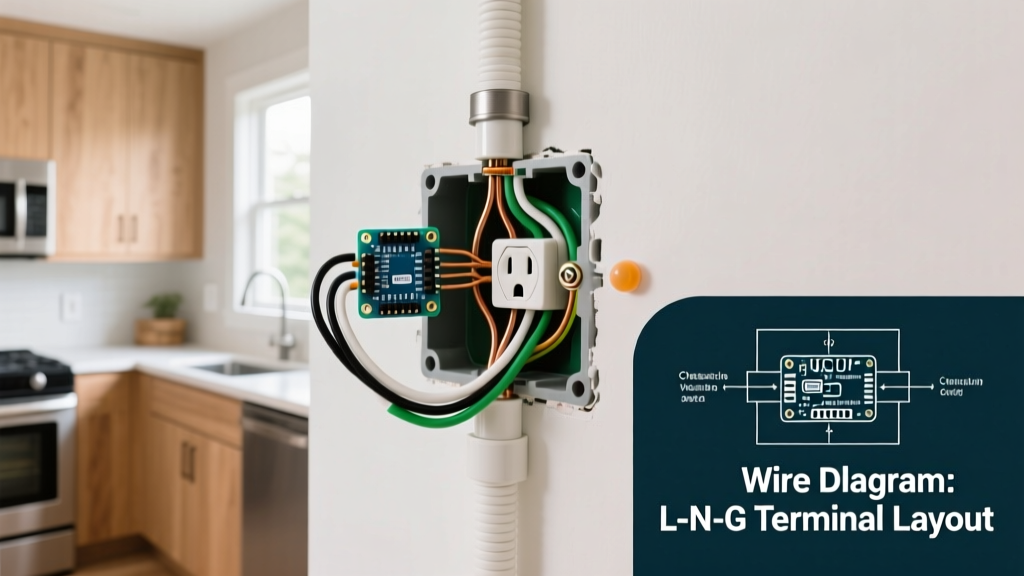
In practical terms, the outlet is the location (the junction box and the circuit termination point), while the receptacle is the physical device you plug into. When we define electrical outlet anatomy from a material and tooling perspective, we are primarily dissecting the receptacle itself and the hardware required to interface it with the outlet box safely.
Material Anatomy: What Physically Defines a Receptacle?
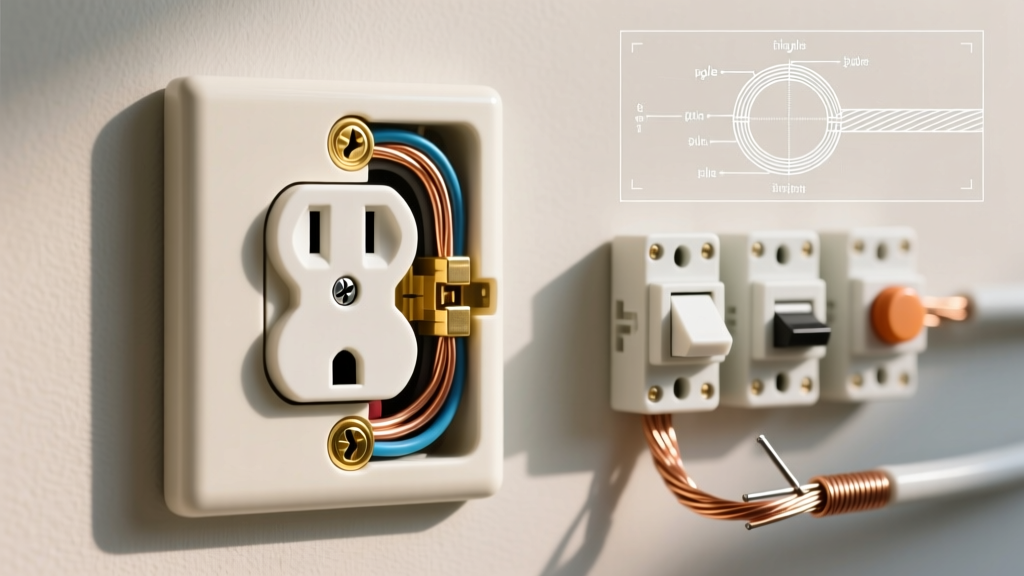
The modern 15-amp and 20-amp duplex receptacle is a marvel of electromechanical engineering, governed by the NEMA WD-6 dimensional standard and UL 498 safety requirements. Breaking down the physical materials reveals why certain tools are mandatory for installation.
1. The Face and Body (Polymeric Housing)
- Residential Grade: Typically molded from PVC (Polyvinyl Chloride) or standard Nylon. These materials are cost-effective but can become brittle under prolonged UV exposure or high thermal stress.
- Commercial/Industrial Grade: Utilize PBT (Polybutylene Terephthalate) or Urea. Urea is a thermoset polymer that offers exceptional arc resistance and will not melt or deform if an internal short circuit generates extreme heat. PBT provides high impact resistance and dimensional stability.
2. The Contacts (Current-Carrying Blades)
The internal wipers that grip the prongs of an attachment plug are typically stamped from Brass or Phosphor Bronze. Phosphor bronze is preferred in premium commercial grades (like the Hubbell HBL5262) because it resists 'thermal creep'—the tendency of metal to slowly deform and lose tension under repeated heating and cooling cycles, which is a primary cause of loose plug connections.
3. The Mounting Strap
The strap secures the device to the electrical box. Standard residential devices use zinc-plated steel. Heavy-duty commercial devices utilize thicker galvanized steel or occasionally brass to prevent rust in damp environments and to provide a more rigid ground path.
Tool & Material Matrix by Outlet Grade
Selecting the right materials and tools depends entirely on the grade of the receptacle you are installing. Below is a comparative matrix for standard 120V duplex receptacles in 2026.
| Feature | Residential (e.g., Leviton 5262) | Commercial Spec (e.g., Hubbell HBL5262) | Industrial/Hospital (e.g., Hubbell HBL5362) |
|---|---|---|---|
| Avg. Cost (2026) | $1.50 - $2.50 | $4.00 - $6.50 | $12.00 - $18.00 |
| Face Material | Nylon / PVC | PBT / High-Impact Nylon | Urea (Thermoset) |
| Contact Material | Brass | Phosphor Bronze | Phosphor Bronze (Extra Grip) |
| Terminal Type | Backwire / Sidewire | Backwire (Clamp Plate) | Backwire (Clamp Plate) |
| Required Torque | 12-14 in-lbs | 12-14 in-lbs | 12-14 in-lbs |
| Best Wire Stripper | Klein 11055 | Klein 11055 | Klein 11055 + Cable Jacket Ripper |
Essential Tools for NEC-Compliant Installation
To properly install and verify the materials listed above, specific tools are required. The days of tightening terminal screws 'until they feel tight' are over. Modern electrical codes strictly mandate calibrated tooling.
Calibrated Torque Screwdrivers
Under NEC Section 110.14(D), electrical connections must be tightened to the manufacturer's specified torque using a calibrated instrument. For standard 15A and 20A receptacles, the terminal screws typically require 12 to 14 inch-pounds of torque. Over-torquing strips the brass threads or fractures the steel mounting strap; under-torquing increases contact resistance, leading to arcing and fire.
Recommended Tool: Ideal 34-083 Torque Screwdriver (preset or adjustable models ranging from 10-40 in-lbs). Expect to invest around $85 to $120 for a reliable, calibrated driver.
Precision Wire Strippers
Scoring the copper conductor while stripping the insulation creates a weak point that can snap under the torque of the terminal screw.
Recommended Tool: Klein Tools 11055 Wire Stripper. This model features precisely machined stripping holes for 10 AWG and 12 AWG solid copper wire, ensuring the insulation is removed cleanly without nicking the metal. Priced at roughly $30, it is a non-negotiable staple for any outlet installation.
Non-Contact Voltage Testers & Multimeters
Before touching any outlet materials, verifying the absence of voltage is critical. While a non-contact voltage tester (like the Fluke 2AC VoltAlert) is excellent for initial screening, a true CAT III or CAT IV digital multimeter (such as the Fluke 117) is required to confirm zero energy state between the hot, neutral, and ground terminals before beginning material handling.
Common Failure Modes Linked to Material Degradation
Understanding how to define electrical outlet components also means understanding how they fail. Recognizing these failure modes will guide your material selection and tool usage.
- Backstab (Push-In) Connection Failures: Older or ultra-cheap residential receptacles rely on spring-loaded push-in terminals. Over time, thermal expansion and contraction cause the spring tension to relax, leading to high-resistance connections. Solution: Always use the side-wire (terminal screw) or the internal back-wire (clamp plate) terminals, torqued to spec.
- Galvanic Corrosion: If you are connecting aluminum branch wiring to a copper-brass receptacle terminal without proper preparation, galvanic corrosion will occur. Solution: You must use a receptacle rated CO/ALR (Copper/Aluminum Revised) and apply an anti-oxidant compound like Noalox to the wire before torquing.
- Thermal Creep on the Strap: In high-load environments (like kitchen countertops running microwaves and toasters), the heat generated can cause cheap steel straps to warp, pushing the receptacle face out of alignment with the wall plate. Solution: Upgrade to commercial-grade devices with thicker, reinforced mounting straps and high-heat Urea faces.
Safety and Compliance Resources
Working with electrical materials requires strict adherence to safety standards. The U.S. Consumer Product Safety Commission (CPSC) provides extensive guidelines on electrical fire prevention, emphasizing the importance of replacing outdated, ungrounded, or physically degraded receptacles. Furthermore, always consult the latest edition of the National Electrical Code (NEC) and local municipal amendments before beginning any outlet replacement or installation project. Properly defining, selecting, and installing these materials ensures a safe, long-lasting electrical infrastructure.