
The Thermal Divide: Defining the Difference Between Soldering Brazing and Welding
When joining metals in a fabrication, plumbing, or electronics workshop, understanding the difference between soldering brazing and welding is not just a matter of metallurgical semantics—it is a critical safety imperative. While all three processes utilize heat and filler materials to create permanent joints, their operating temperatures, base metal interactions, and resulting occupational hazards vary drastically. In 2026, with stricter OSHA enforcement on airborne particulates and advanced PPE technologies available, workshop managers and DIYers must align their safety protocols with the specific thermal process being used.
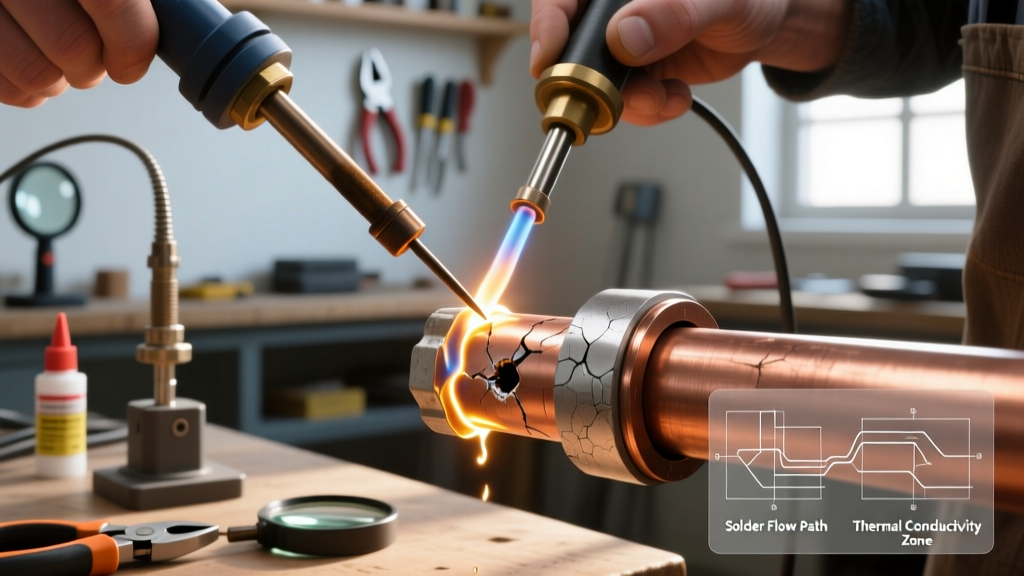
The fundamental distinction lies in whether the base metal melts. In welding, the base metal is brought to its melting point. In brazing and soldering, only the filler metal melts, flowing into the joint via capillary action. The dividing line between soldering and brazing is universally recognized by the American Welding Society (AWS) at 840°F (450°C). Below this threshold, the process is soldering; above it, the process is brazing. This temperature threshold dictates the type of flux required, the alloy composition, and the respiratory protection necessary to prevent acute and chronic health conditions.
Thermal and Metallurgical Comparison Matrix
| Process | Operating Temperature | Base Metal State | Primary Filler Types | Core Safety Hazard |
|---|---|---|---|---|
| Soldering | 350°F – 840°F (175°C – 450°C) | Solid (Does not melt) | Tin-Lead (Sn63/Pb37), SAC305 | Colophony (rosin) flux fumes, lead exposure |
| Brazing | 1,100°F – 2,100°F (600°C – 1150°C) | Solid (Does not melt) | Silver (BAg), Copper-Phosphorus (BCuP) | Cadmium/fluoride toxicity, high-heat burns |
| Welding | 3,000°F – 10,000°F+ (1650°C – 5500°C+) | Liquid (Melts and fuses) | ER70S-6 (MIG), E308L (TIG) | UV/IR radiation, hexavalent chromium, ozone |
Soldering Safety: Managing Flux Fumes and Low-Temperature Hazards
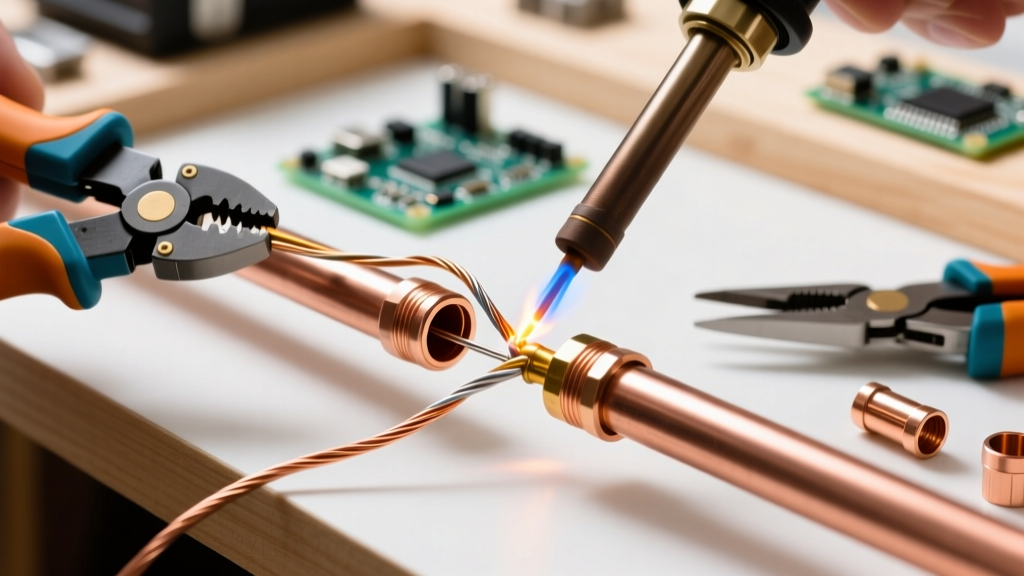
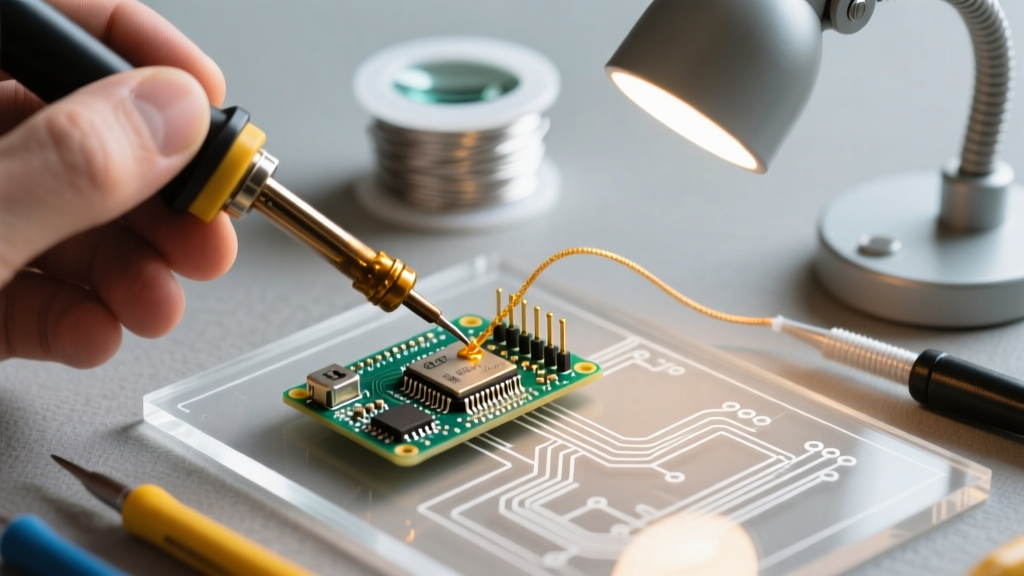
Soldering is the lowest-temperature joining process, predominantly used in electronics (PCB assembly) and copper plumbing. Because the base metal does not melt, the structural integrity of the joint relies entirely on the metallurgical bond between the filler and the base metal surface. To achieve this, chemical fluxes are required to strip away oxidation. It is these fluxes, rather than the solder itself, that pose the most insidious health risks.
The Colophony Hazard in Electronics
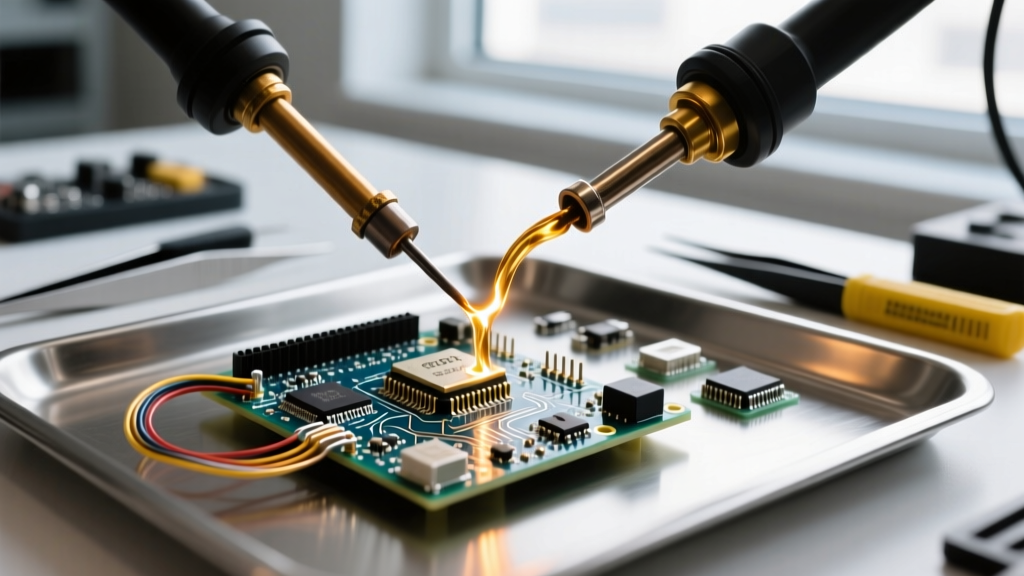
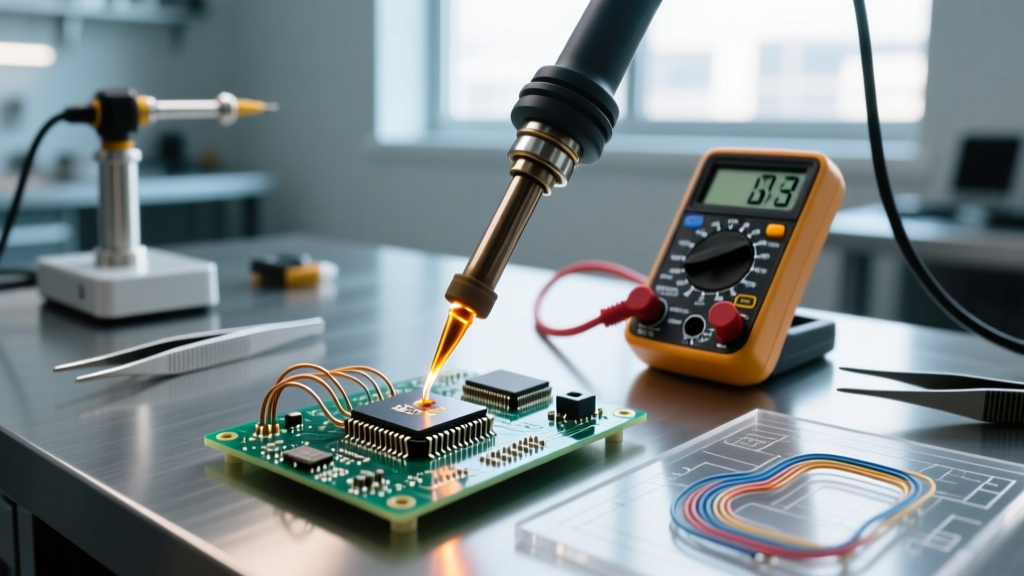
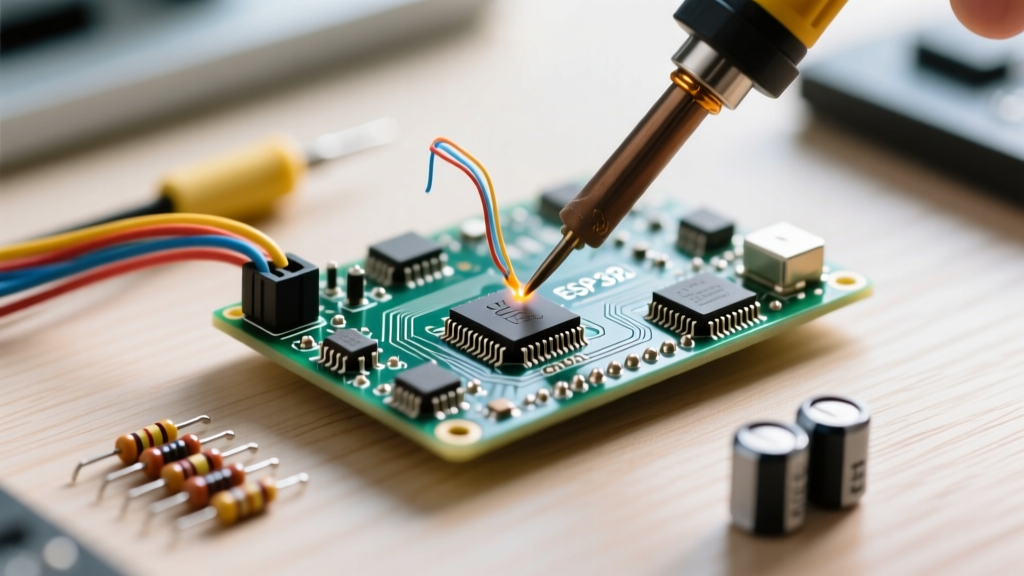
In electronics manufacturing, rosin-based (colophony) fluxes are standard. When heated by a soldering iron tip (typically set between 600°F and 750°F for lead-free SAC305 alloys), the rosin vaporizes. According to the CDC NIOSH guidelines on occupational exposures, inhaling colophony fumes is a known cause of occupational asthma and respiratory sensitization. Once sensitized, even microscopic exposures can trigger severe asthmatic attacks.
- Engineering Controls: Never rely on passive ventilation. Use a localized fume extractor with a HEPA and activated carbon filter combination, such as the Hakko FA-400 or Metcal MX-FE, positioned within 6 inches of the solder joint.
- Thermal Management: Avoid setting soldering stations (e.g., Weller WE1010) above 750°F unless using high-thermal-mass ground planes. Excessive heat degrades flux instantly, creating harsher, more toxic aerosolized particulates.
- PPE Requirements: ANSI Z87.1 safety glasses to prevent flux spatter. If engineering controls fail, a half-mask respirator with organic vapor cartridges (e.g., 3M 6001) combined with P100 particulate filters is mandatory.
Brazing Safety: High Heat, Capillary Action, and Toxic Alloys
Brazing operates in a dangerous middle ground. The temperatures are high enough to cause severe thermal burns and ignite nearby combustibles, yet the process often lacks the intense UV radiation of arc welding, leading operators to underestimate the need for heavy PPE. The primary hazards in brazing stem from the chemical composition of the filler metals and the aggressive fluxes required to clean the base metal at high temperatures.
Critical Alert: Older silver brazing alloys (classified under AWS A5.8 as BAg-1 or BAg-1a) contain up to 25% cadmium. When heated past 1,600°F, cadmium vaporizes and oxidizes into cadmium oxide fumes, which can cause fatal chemical pneumonitis or chronic kidney damage. Always verify your filler metal is cadmium-free (e.g., BAg-24 or BCuP-2) before striking a torch.
Fluoride Fluxes and Respiratory Protection
To braze steel or stainless steel, operators must use fluoride-based fluxes (often containing potassium fluoroborate). When heated, these fluxes release hydrogen fluoride gas and fluoride particulates. The OSHA 1910.252 standard for Welding, Cutting, and Brazing strictly mandates that operators working with fluoride compounds use supplied-air respirators or highly efficient particulate filtration if local exhaust ventilation is insufficient. For DIYers and small shops, this means brazing must only occur in highly ventilated areas or outdoors, wearing a P100 respirator specifically rated for acid gases.
Ocular Protection for Torch Work
Unlike soldering, the oxy-acetylene or oxy-propane torch used in brazing emits intense visible light and infrared radiation. Standard clear safety glasses are inadequate and can lead to retinal damage or 'glassblower's cataract' over time. Operators must wear OSHA-compliant shaded safety glasses, typically Shade 4 to Shade 6, depending on the torch tip size and flame luminosity.
Welding Safety: Arc Flash, UV Radiation, and Particulate Hazards
Welding (MIG, TIG, Stick) fundamentally alters the base metal by melting it. Operating temperatures exceed 3,000°F, and the electric arc generates intense ultraviolet (UV) and infrared (IR) radiation. The safety paradigm for welding is entirely different from soldering and brazing, shifting focus from chemical fume management (though still critical) to severe radiation shielding and electrical safety.
Hexavalent Chromium and Stainless Steel Welding
When TIG or MIG welding austenitic stainless steels (such as 304 or 316 grades), the extreme heat of the arc converts the natural chromium in the metal into hexavalent chromium [Cr(VI)]. The OSHA Hexavalent Chromium standard sets the Permissible Exposure Limit (PEL) at an incredibly strict 5 micrograms per cubic meter of air (µg/m³) as an 8-hour time-weighted average. Cr(VI) is a known human carcinogen linked to lung cancer.
- Source Capture: High-vacuum fume extraction arms (e.g., Lincoln Electric Fume Extraction systems) must be positioned within 12 inches of the weld puddle.
- PAPR Systems: For enclosed spaces or heavy fabrication, a Powered Air-Purifying Respirator (PAPR) integrated into the welding helmet is no longer optional—it is an industry standard for Cr(VI) mitigation.
Optical Radiation and Auto-Darkening Technology
The UV radiation from an open welding arc can cause photokeratitis ('arc eye') and severe skin burns ('welder's flash') in seconds. In 2026, passive fixed-shade glass lenses have been largely replaced by auto-darkening filters (ADF). When selecting an ADF helmet (like the Lincoln Electric Viking 3350 or Miller Digital Infinity), ensure it meets the ANSI Z87.1+ standard for high-impact resistance and features a minimum of 4 arc sensors to prevent the lens from failing to darken if the arc is obstructed.
Welding PPE Selection Matrix
| PPE Category | Soldering | Brazing | Arc Welding (MIG/TIG/Stick) |
|---|---|---|---|
| Eye Protection | Clear ANSI Z87.1 | Shade 4–6 Gas Glasses | Auto-Darkening Helmet (Shade 10–13) |
| Skin Protection | Cotton clothing, closed-toe shoes | Leather welding gloves, FR apron | Full FR jacket, gauntlet leather gloves |
| Respiratory | HEPA/Carbon Fume Extractor | P100 + Acid Gas Cartridge | PAPR or P100 with local exhaust |
Facility Management: Cross-Process Workshop Safety
In mixed-use fabrication labs or advanced DIY workshops where soldering, brazing, and welding occur in the same facility, cross-contamination of hazards is a major risk. Welding UV radiation can bounce off light-colored walls and expose nearby electronics technicians who are soldering without helmets. Conversely, the highly flammable solvents used for cleaning PCBs before soldering (like isopropyl alcohol or specialized flux removers) can ignite if exposed to the sparks from a nearby MIG welder.
Best Practices for Spatial Segregation
- Opaque Curtaining: Install dark green or black PVC welding curtains (meeting AWS F2.3M standards) to physically separate the welding bay from the soldering and brazing benches. This prevents UV radiation from traveling across the shop floor.
- Ventilation Zoning: Ensure that the HVAC system does not pull fumes from the brazing/welding zone and push them toward the clean-room electronics soldering area. Use negative pressure in the welding/brazing zones.
- Fire Watch Protocols: After any brazing or welding operation, a mandatory 30-minute fire watch must be maintained, as slag and sparks can smolder in hidden crevices long after the torch is turned off.
Conclusion
Mastering the difference between soldering brazing and welding extends far beyond knowing which torch or iron to pick up. It requires a deep understanding of the thermal dynamics, chemical reactions, and radiation profiles inherent to each process. By respecting the 840°F threshold that separates soldering from brazing, and acknowledging the base-metal-melting extremes of welding, technicians can deploy the exact PPE and engineering controls required. Whether you are assembling a microcontroller with SAC305 solder or TIG welding a stainless steel exhaust manifold, prioritizing process-specific safety ensures both the structural integrity of your work and the long-term health of your respiratory and ocular systems.