
The Divide: Field Professionals vs. Benchtop Hobbyists
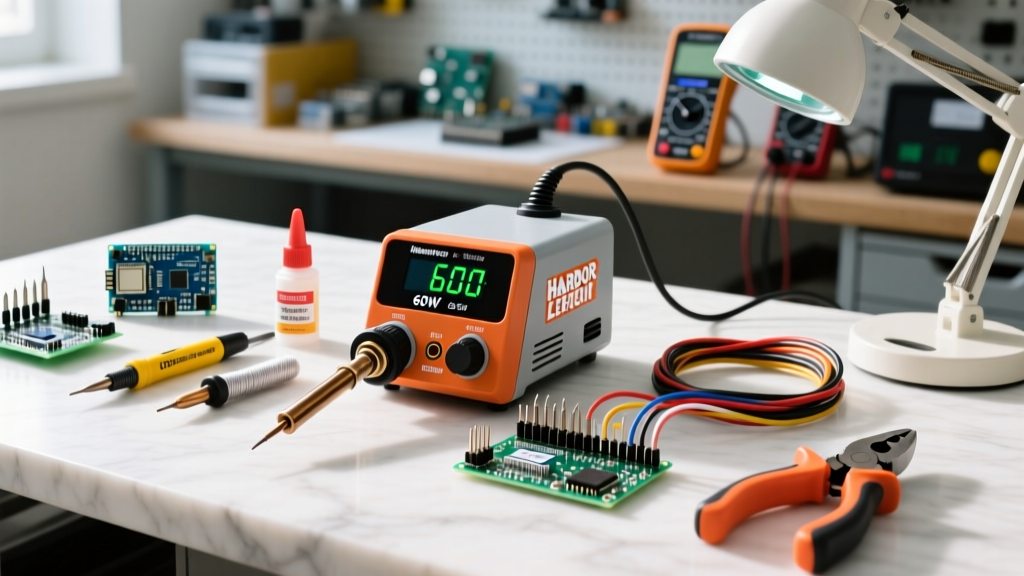
In the world of electrical diagnostics and repair, the term "professional" means vastly different things depending on the environment. A benchtop electronics engineer repairing a multilayer PCB has entirely different thermal requirements than an automotive technician splicing 8 AWG battery cables in a drafty garage. This fundamental divide is exactly where the Power Probe PPSK soldering kit carves out its niche. While hobbyist kits prioritize precise digital temperature control for delicate surface-mount components, the Power Probe PPSK is engineered for raw, unadulterated thermal mass in off-grid and field environments.
If you are weighing a heavy-duty butane-powered field kit against a traditional mains-powered hobbyist station, you are not just comparing tools; you are comparing entirely different metallurgical and thermodynamic approaches to joining copper. In this guide, we break down the exact specifications, real-world failure modes, and use-case scenarios to help you decide if the Power Probe PPSK belongs in your toolkit.
Anatomy of the Power Probe PPSK Soldering Kit
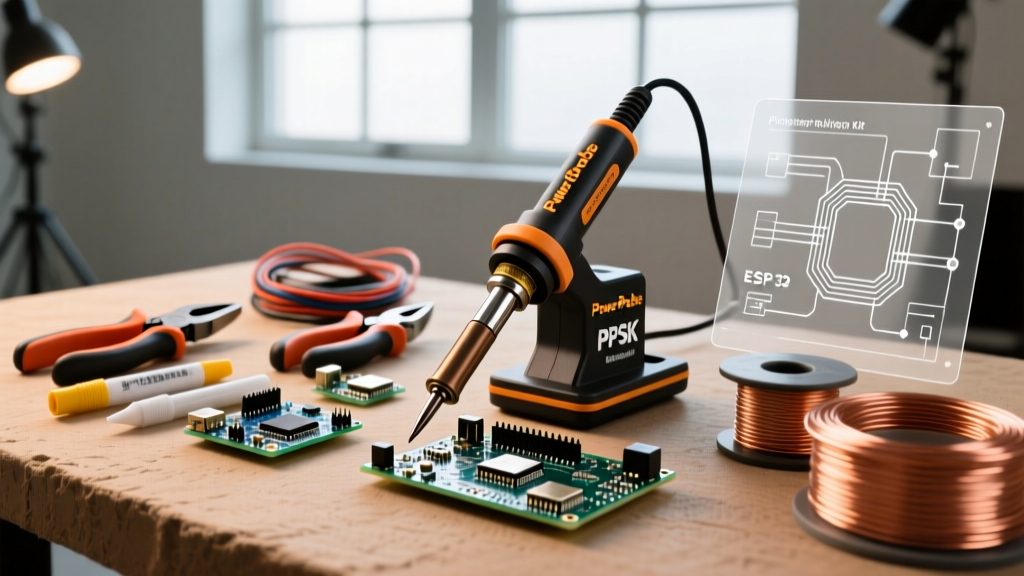
The Power Probe PPSK (often recognized within their professional butane soldering lineup) operates on a fundamentally different principle than the resistive heating elements found in hobbyist gear. Instead of passing electricity through a ceramic heating core to warm a copper tip, the PPSK utilizes a catalytic butane combustion system.
When high-purity butane passes through the platinum-coated catalytic mesh at the tip, it ignites without an open flame, generating intense, localized heat. This allows the tip to reach operational temperatures exceeding 1,000°F (537°C) in under 45 seconds. The kit typically includes a standard soldering tip, a hot-air blower attachment for marine-grade heat shrink, and a hot knife for cutting synthetic ropes or stripping thick cable jackets.
Expert Insight: The secret to the PPSK’s success in automotive applications is its lack of thermal recovery lag. When a 65W hobbyist iron touches a massive 4 AWG copper ground strap, the copper acts as a giant heatsink, instantly dropping the tip temperature below the solder’s melting point. The PPSK’s raw BTU output and catalytic thermal mass overpower this heatsink effect, allowing the solder to flow seamlessly.
Comparison Matrix: PPSK vs. Leading Hobbyist Stations
To understand where the Power Probe PPSK soldering kit fits in the 2026 market, we must compare it directly against the gold standards of the hobbyist and light-professional benchtop world. Below is a technical breakdown of how they break down across critical metrics.
| Feature | Power Probe PPSK (Field Pro) | Hakko FX888D (Bench Pro/Hobby) | Pinecil V2 (Portable Hobby) |
|---|---|---|---|
| Power Source | Refined Butane Gas | 120V/230V AC Mains | USB-C PD / DC Barrel |
| Max Thermal Output | ~1,000°F+ (Catalytic) | 400°C (756°F) Regulated | 450°C (842°F) Regulated |
| Thermal Recovery on Heavy Gauge | Excellent (High BTU mass) | Poor (Struggles above 12 AWG) | Poor (Struggles above 14 AWG) |
| Precision / SMD Capability | Very Low | High | Very High |
| 2026 Average Price | $75 - $95 | $115 - $130 | $26 - $35 |
| Best Environment | Automotive, Marine, Off-Grid | ESD-Safe Electronics Benches | Travel, Drones, Quick Repairs |
Where the Power Probe PPSK Dominates
1. Automotive and Marine Wiring
According to the SAE J1128 automotive wiring specification, low-tension primary cables used in vehicles require robust mechanical and electrical connections. When repairing a damaged harness in a car trunk or a boat bilge, you cannot drag a 120V extension cord. The PPSK provides total cordless freedom. Furthermore, marine environments require thick-walled, adhesive-lined heat shrink to prevent galvanic corrosion. The PPSK’s hot-air blower attachment outputs a wide, flameless cone of 400°F air, perfectly shrinking 3/8-inch dual-wall tubing without scorching the wire insulation.
2. Off-Grid Solar and High-Amperage DC Systems
When terminating 2 AWG or 4 AWG battery cables for solar charge controllers or inverters, hobbyist irons simply fail. The copper mass absorbs heat faster than a 70W resistive element can replenish it. The Power Probe PPSK melts 60/40 rosin-core solder onto heavy-gauge lugs in seconds, ensuring a bright, shiny, and structurally sound joint that will withstand high-amperage DC loads without creating a resistive hot spot.
Where Hobbyist Kits Win: The Benchtop Reality
If your work involves printed circuit boards (PCBs), surface-mount devices (SMD), or delicate sensor wiring (22 AWG and smaller), the Power Probe PPSK is the wrong tool for the job. Professional electronics manufacturing and repair are governed by strict thermal profiling. The IPC J-STD-001 standard mandates precise temperature control to prevent delamination of PCB pads and thermal shock to silicon components.
Butane irons lack closed-loop digital feedback. You cannot set a PPSK to exactly 320°C and trust it to maintain that temperature when lifting a QFP microchip. For hobbyists building Arduino projects, repairing drones, or soldering audio jacks, a digitally controlled station like the Hakko FX888D or a portable smart-iron like the Pinecil V2 offers the micro-precision required to avoid destroying expensive components.
Real-World Failure Modes and Edge Cases
Operating a catalytic butane iron in the field introduces variables that benchtop hobbyists never face. Understanding these edge cases is critical for professional reliability.
- Catalytic Mesh Poisoning: If you touch the PPSK tip to cheap, highly acidic plumbing flux before the mesh is fully heated, or if you use it in an environment with heavy silicone off-gassing, the platinum mesh will "poison." This clogs the pores, resulting in a tip that fails to ignite or heats unevenly. Always use high-quality rosin-core (RMA) solder and keep the tip clean with a brass wire sponge.
- Altitude and Cold Weather Vaporization: Butane has a boiling point of roughly 31°F (-1°C). If you are doing field repairs in a freezing environment or at high altitudes, the liquid butane will not vaporize efficiently, causing the iron to sputter or die. Workaround: Keep the fuel reservoir in an inside pocket close to your body heat until the moment you need to solder.
- Wind Interference: While the tip itself is flameless, the catalytic reaction requires a stable micro-environment. A stiff cross-breeze in an open garage can strip the heat away from the tip, drastically reducing its effective temperature. Use a magnetic wind-block or work inside the vehicle cabin when possible.
Step-by-Step: Field Soldering Heavy Gauge Wire with the PPSK
To maximize the lifespan of your Power Probe PPSK soldering kit and ensure a professional-grade joint on heavy automotive wiring, follow this exact sequence:
- Fuel Preparation: Purge the air from the tank by depressing the fill valve with a small screwdriver until the hissing stops. Refill using only 5x refined butane. Impurities in cheap gas will instantly degrade the catalytic tip.
- Ignition and Warm-up: Turn the gas dial to the midway point and ignite using the built-in piezo or a striker. Allow the iron to run for exactly 45 to 60 seconds. You will see the mesh glow dull red; this indicates the catalytic reaction is stable.
- Mechanical Prep: Strip the heavy-gauge wire and twist the strands tightly. Slide your adhesive-lined heat shrink onto the wire before applying heat.
- Pre-Tinning: Apply the glowing tip directly to the copper strands while feeding 60/40 rosin-core solder into the wire (not just onto the tip). Let the copper draw the solder in via capillary action.
- Shrink and Seal: Slide the heat shrink over the joint, swap to the PPSK blower attachment, and apply sweeping, flameless hot air until the adhesive squeezes out the ends, guaranteeing a waterproof seal.
The Final Verdict
The Power Probe PPSK soldering kit is not a replacement for your benchtop electronics station; it is a specialized, heavy-duty complement to it. For hobbyists strictly soldering PCBs, microcontrollers, and small-gauge wires, the PPSK’s lack of digital temperature control makes it a liability. However, for automotive technicians, marine electricians, and off-grid solar installers who need to solder thick-gauge copper in cordless, unpredictable environments, the PPSK’s raw thermal dominance makes it an indispensable professional asset. Evaluate your typical wire gauge and workspace environment, and choose the thermal profile that matches your reality.
For more information on heavy-duty diagnostic and electrical tools, explore Power Probe’s official lineup and ensure your field kit is up to the demands of modern high-amperage systems.