
The Hidden Liability on Your Workbench
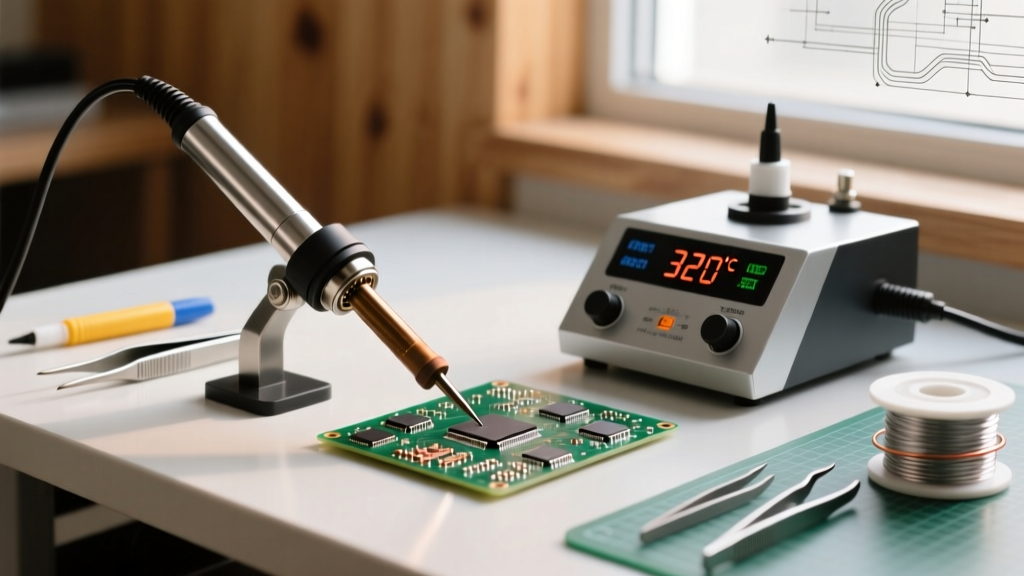
When building out an electronics lab, hobbyists and professionals alike frequently allocate 95% of their budget to the soldering station itself, treating the soldering iron stands as an afterthought. This is a critical error in workspace engineering. A $650 JBC CD-2BQF station or a $400 Weller WXsmart setup is instantly compromised when paired with a $7 stamped-steel generic stand. The stand is the primary interface between a 380°C active heating element and your workbench, your PCBs, and your hands.
In 2026, with the widespread adoption of smart-sleep technologies and ultra-fast thermal recovery cartridges, the mechanical and thermal requirements of a soldering iron rest have evolved. This analysis breaks down the engineering differences between budget and premium soldering iron stands, examining failure modes, thermal mass, and ergonomic integration.
Budget Tier Analysis ($8 – $18)
The budget category is dominated by generic stamped sheet-metal stands (often rebranded under dozens of names on Amazon) and entry-level OEM options like the Hakko 602. While they fulfill the basic requirement of holding the iron off the desk, they introduce several distinct failure modes.
Weight and Tipping Hazards
Most budget stands feature a hollow, stamped steel base that weighs between 140g and 220g. Modern soldering irons, particularly those with integrated fume extraction hoses or heavy silicone power cords, are top-heavy. When you return a heavy iron to a lightweight stand at a 45-degree angle, the center of gravity shifts outside the base footprint. This results in the stand tipping backward, dragging the active iron across your workspace.
Coil Geometry and Cord Strain
Budget stands utilize a simple wire coil to catch the iron. The inner diameter of these coils is rarely standardized. If the coil is too wide, irons with slim grips (like standard T12 handles) can slide entirely through, dropping the hot tip onto the base plate. If the coil is too narrow, the high-temperature silicone cord is forced into a tight bend radius every time the iron is seated, leading to premature cord fatigue and internal wire breakage.
The Cellulose Sponge Problem
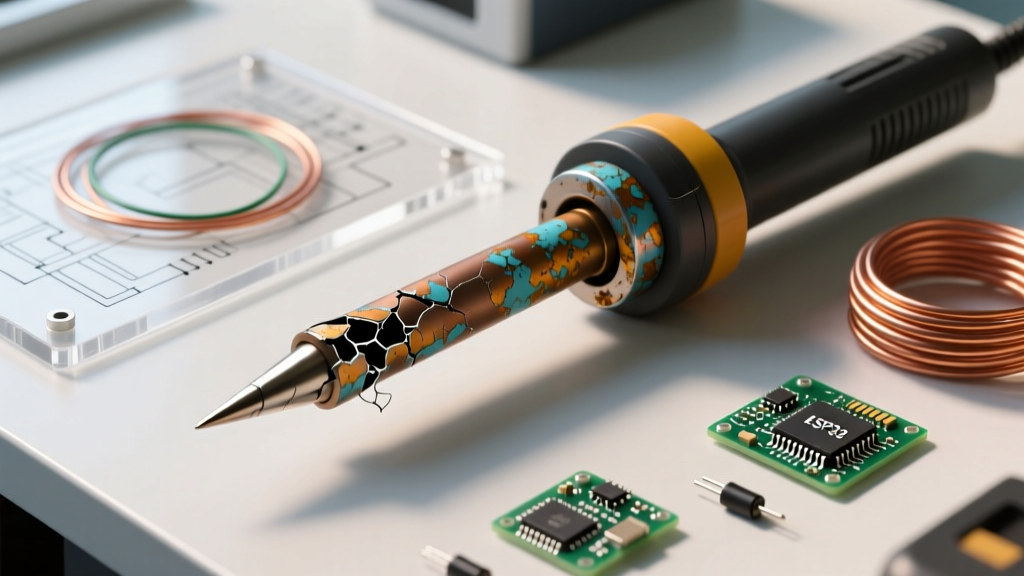
Budget stands almost exclusively include a stamped metal tray with a cellulose sponge. According to Hakko's official maintenance guidelines, repeatedly plunging a 350°C tip into a wet cellulose sponge causes severe thermal shock. This rapid temperature drop micro-fractures the iron plating on the tip, drastically reducing its lifespan and causing the copper core to pit and dissolve into the solder.
Premium Tier Analysis ($35 – $85)
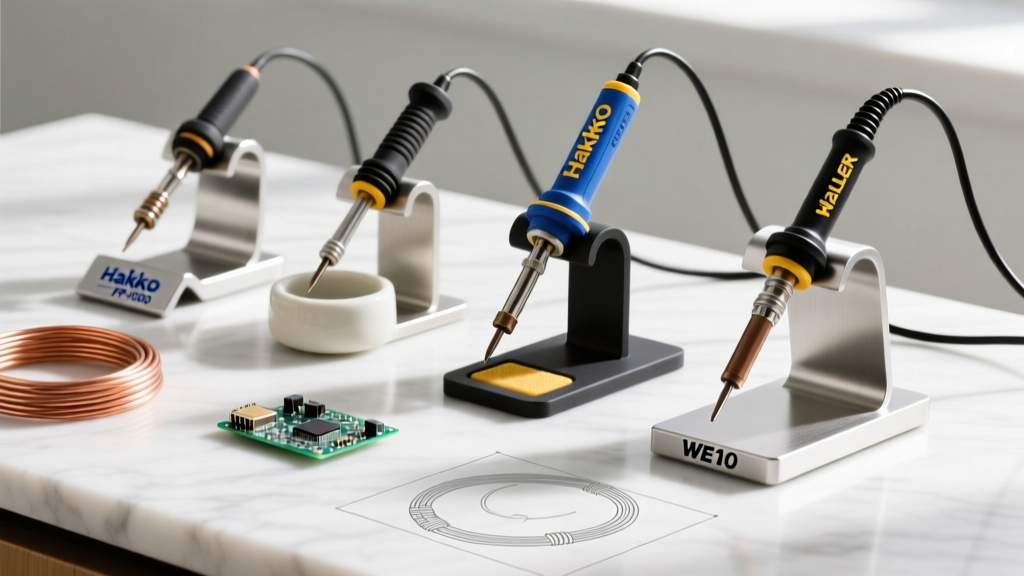
Premium stands are engineered as active safety devices and ergonomic aids. Models like the Weller WDH10T, JBC SRH, and Hakko CH1 utilize cast metals, advanced polymers, and electronic integration to protect both the operator and the equipment.
Thermal Mass and Base Stability
Premium stands utilize cast iron, zinc alloy, or heavy ABS plastics filled with ballast, pushing the base weight to between 550g and 900g. The JBC SRH, for example, features a low-profile, heavy cast base that makes tipping physically impossible under normal operational forces. This mass also acts as a heat sink; if a hot iron accidentally touches the base plate, the thermal mass absorbs the energy without scorching the underlying workbench.
Smart Integration and Auto-Sleep
The most significant advancement in 2026 premium stands is electronic integration. The Weller WDH10T Safety Rest features a specialized silicone insert that houses a micro-switch or magnetic sensor. When the iron is seated, it mechanically triggers the station's auto-sleep mode, dropping the tip temperature to 150°C. This not only saves energy but prevents the flux carbonization that destroys tips when left idle at full temperature.
Enclosed Geometries and Burn Prevention
Unlike the open-wire coils of budget stands, premium models often use enclosed, angled tubes or heavy-duty silicone cradles. The JBC SRH fully encloses the heating element and cartridge, ensuring that an operator's finger or a stray wire cannot accidentally brush against the 400°C barrel when reaching for the iron.
2026 Comparison Matrix: Budget vs Premium
| Feature | Budget Tier (Generic / Hakko 602) | Premium Tier (Weller WDH10T / JBC SRH) |
|---|---|---|
| Average Price (2026) | $8 – $18 | $45 – $85 |
| Base Weight | 140g – 220g (Stamped Steel) | 550g – 900g (Cast Alloy / Ballasted) |
| Cleaning Media | Cellulose Sponge (High Thermal Shock) | Brass Wire Wool (Zero Thermal Shock) |
| Smart Sleep Trigger | None | Integrated (Magnetic / Mechanical Switch) |
| Cord Bend Radius | Poor (High Strain) | Optimized (Strain Relief Geometry) |
| Tipping Risk | High (with heavy cords/hoses) | Negligible |
The Cleaning Media Debate: Brass Wool vs. Sponge
The cleaning mechanism integrated into the stand is arguably more important than the holster itself. Premium stands have universally migrated to brass wire wool (often referred to as brass shavings or brass sponge).
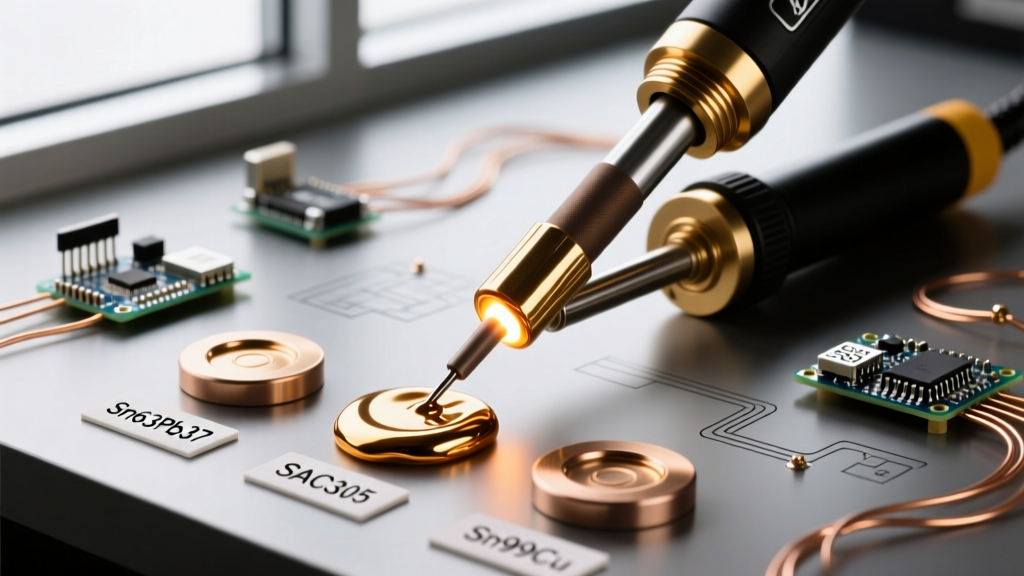
- Thermal Preservation: Brass wool cleans the tip through mechanical friction without dropping the tip temperature. This maintains the thermal equilibrium required for lead-free SAC305 solder alloys, which demand high, consistent heat.
- Flux Removal: The abrasive nature of the brass coils effectively strips carbonized rosin flux without requiring the aggressive wiping motion that bends delicate iron tips.
- Moisture Elimination: Cellulose sponges require distilled water to function. If tap water is used, the minerals and chlorine will oxidize the tip instantly. Brass wool requires zero moisture, eliminating this variable entirely.
Expert Tip: If you must use a budget stand with a cellulose sponge, never use tap water. Use only distilled water, and ensure the sponge is damp, not soaked. A soaked sponge will cause catastrophic thermal shock to T12 and C245 cartridges, leading to tip failure in under 20 hours of use.
Safety, ESD, and Workspace Standards
Soldering iron stands play a vital role in maintaining compliance with industry safety standards. According to the IPC J-STD-001 standard for soldered electrical and electronic assemblies, preventing thermal damage to the PCB and components is paramount. A poorly designed stand that fails to securely hold the iron can result in the iron rolling onto a populated PCB, instantly melting connectors and delaminating the FR4 fiberglass.
Furthermore, workspace hygiene and fire safety are critical. OSHA's guidelines on lead soldering and workspace safety emphasize the necessity of stable, organized work areas to prevent accidental contact with hot surfaces and the spread of lead dust or flux particulates. Premium stands with enclosed tubes and integrated brass wool catch the oxidized metal shavings and flux residue, keeping them contained rather than wiping them onto a damp sponge where they can transfer to the operator's hands.
ESD Grounding Considerations
For environments handling static-sensitive components (like MOSFETs or raw microcontrollers), the stand must be part of the ESD (Electrostatic Discharge) protection loop. Premium stands like the Weller WDH10T feature a dedicated grounding lug on the metal chassis. This lug connects to the station's earth ground, ensuring that if the iron's metal barrel is touched to the stand, no static potential difference exists between the operator, the iron, and the rest.
Decision Framework: Which Tier Do You Need?
When to Buy Budget ($8 - $18)
- Occasional Hobbyist Use: If you solder for less than 2 hours a month and primarily use large, through-hole components with leaded solder.
- Secondary/Travel Stations: For a cheap, disposable setup kept in a toolbox or taken to hackathons where equipment loss or damage is a risk.
- Plumbing and Heavy Wire: When using large 100W+ irons for stained glass or heavy-gauge automotive wiring, where precision and auto-sleep are irrelevant.
When to Buy Premium ($35 - $85)
- SMD and Micro-Soldering: If you are working with 0402 components, QFPs, or BGAs, tip longevity and precise thermal management are non-negotiable. The brass wool and sleep-mode integration are mandatory.
- Professional/Production Environments: If the iron is on for 6+ hours a day, the ROI on a premium stand is realized within weeks through extended tip life and reduced fire risk.
- Smart Station Owners: If you own a Weller WXsmart, JBC T245, or Hakko FX-951, using a budget stand bypasses the sleep-mode engineering you paid for, effectively downgrading your $500 station to a $50 one.
Final Verdict
The soldering iron stand is not merely a holder; it is a critical safety and thermal management peripheral. While budget stamped-steel stands are sufficient for infrequent, heavy-duty tasks, the modern electronics workbench demands the stability, ESD integration, and thermal preservation offered by premium rests. Upgrading to a cast-base, brass-wool-equipped stand with smart-sleep integration is one of the highest-ROI improvements you can make to your soldering workflow in 2026.