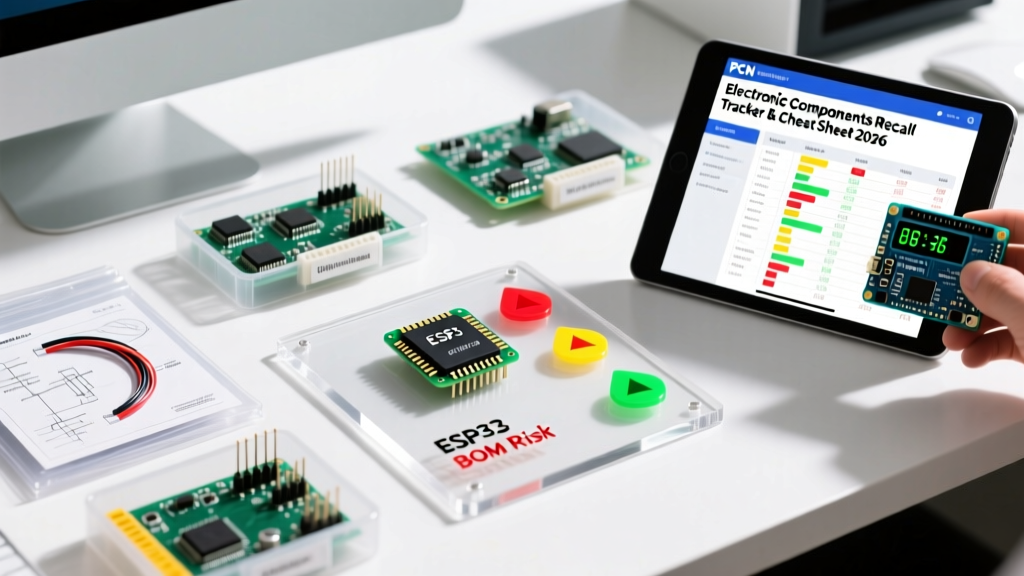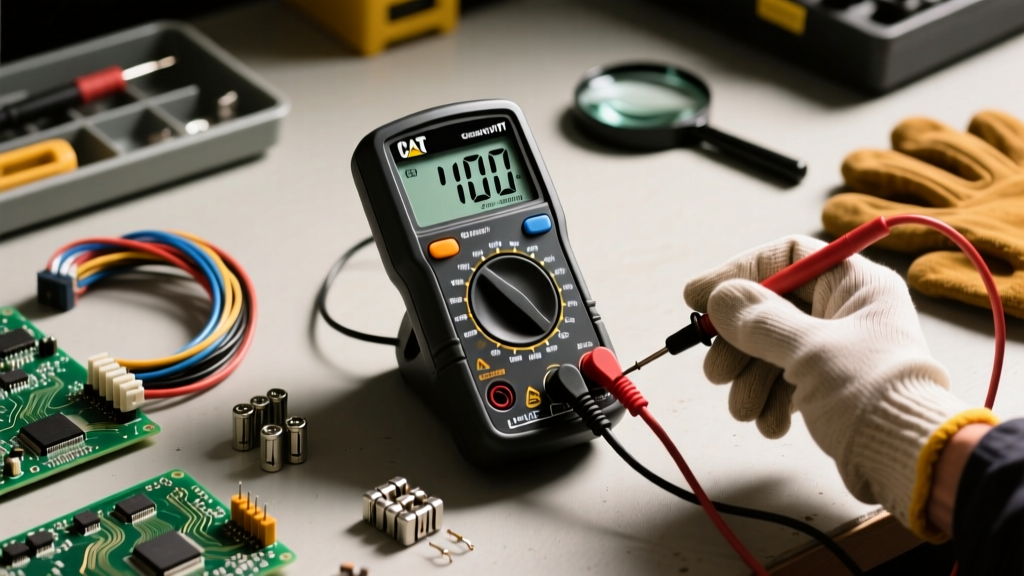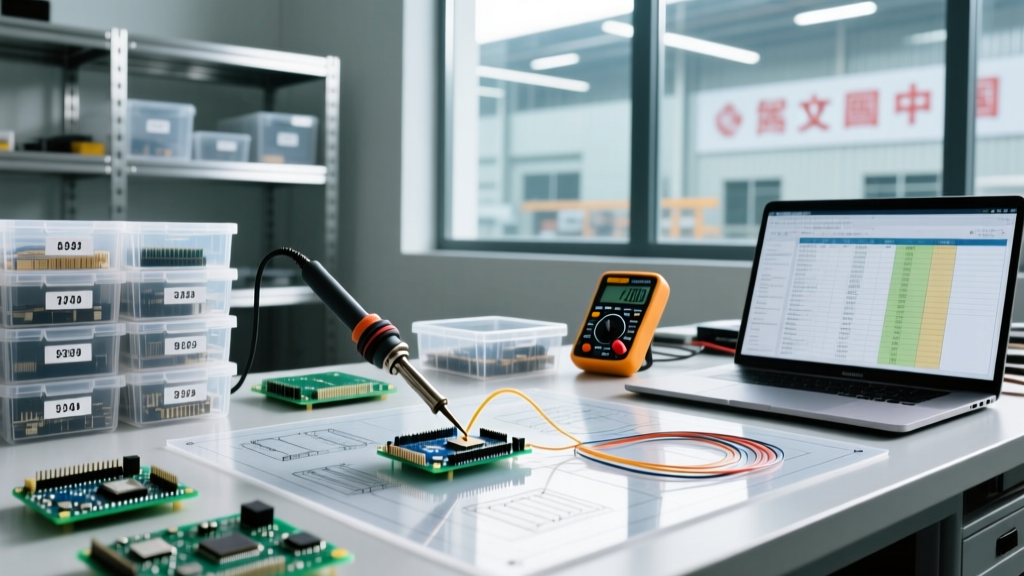

The Transition: From Hobbyist Retail to B2B Sourcing
For electronics engineers and DIY makers, the leap from prototyping a single PCB to manufacturing a 500-unit batch requires a fundamental shift in supply chain strategy. While Western catalog giants like DigiKey and Mouser offer unparalleled convenience and guaranteed authenticity for small quantities, their pricing models destroy margins at scale. To achieve true cost-efficiency, hardware startups and serious makers must integrate into the Asian supply chain, specifically by partnering with a vetted electronic components distributor China market hubs are famous for. However, navigating the Shenzhen and Shanghai component ecosystems requires a specialized skill set. This guide outlines the exact framework for sourcing, vetting, and logistics management to ensure your next PCB build is both profitable and reliable.
Tier 1 vs. Tier 2: Understanding the Distributor Landscape
Not all suppliers in the Chinese electronics ecosystem operate with the same level of accountability. Before requesting quotes, you must understand the stratification of the market. The skill of sourcing lies in matching your risk tolerance and volume requirements to the correct tier.
| Distributor Type | Examples | Best For | Risk Level | Typical MOQ |
|---|---|---|---|---|
| Tier 1: Catalog / Franchised | LCSC, SZLCSC | Prototyping, verified small-to-mid runs | Very Low | 1 - 10 units |
| Tier 2: Verified B2B Platforms | HQEW, IC Trading Networks | Hard-to-find legacy ICs, mid-volume | Medium | 100+ units |
| Tier 3: Wholesale Marketplaces | 1688.com, Taobao | Passives, connectors, generic enclosures | High (for active ICs) | 500 - 1000 units |
| Tier 4: Sourcing Agents | Shenzhen-based B2B Agents | Full BOM kitting, factory-direct negotiation | Low (if vetted properly) | Full BOM |
For active silicon (microcontrollers, power management ICs), sticking to Tier 1 or highly vetted Tier 4 agents is non-negotiable. Passives (resistors, capacitors) and electromechanical parts (connectors, switches) can be safely sourced from Tier 3 platforms to maximize savings.
Step-by-Step Vetting Framework for Chinese Distributors
When evaluating an independent distributor or trading company in Shenzhen, rely on empirical verification rather than sales promises. Follow this five-step protocol to establish a baseline of trust:
- Verify the Business License via NECIPS: Request their Unified Social Credit Code (USCC). Cross-reference this 18-digit code on the National Enterprise Credit Information Publicity System (NECIPS) to confirm their registered capital, legal representative, and any history of administrative penalties.
- Demand ESD Packaging Compliance: A professional distributor adheres to ANSI/ESD S20.20 standards. Request photos of their warehouse floor, specifically looking for ESD-safe matting, ionizing blowers, and moisture barrier bags (MBBs) with fresh humidity indicator cards for moisture-sensitive devices (MSDs) like BGA chips.
- Request Date Codes and Lot Traceability: Require that all active components ship with Date Codes no older than 24 months. For critical ICs, demand the original manufacturer's Certificate of Conformance (CoC) or traceable supply chain documentation back to the original factory reel.
- Order a 'Golden Sample' Reel: Before committing to a 5,000-unit order, purchase a single cut-tape or partial reel. Subject these samples to X-Ray Fluorescence (XRF) testing and decapsulation to verify the silicon die matches the manufacturer's specifications.
- Establish a Counterfeit Liability Clause: Your purchase order must include a clause stating that any parts flagged as counterfeit by an independent lab (like White Horse Laboratories) will result in a full refund, including the cost of PCB rework and scrapped assemblies.
Real-World Failure Modes: Counterfeits and 'Recycled' Silicon
The most critical skill in global sourcing is recognizing how bad actors manipulate components. The Electronic Resellers Association International (ERAI) regularly publishes alerts on sophisticated counterfeit methods entering the global supply chain. Understanding these failure modes protects your hardware from catastrophic field failures.
The 'Blacktopping' Technique
Blacktopping involves sanding down the original epoxy surface of a recycled or lower-spec IC, applying a new layer of black epoxy, and laser-etching a premium part number. For example, a recycled STM32F103C8T6 might be sanded and relabeled as a higher-memory STM32F103RCT6.
Visual Inspection Tip: Use a 40x microscope to examine the surface texture. Factory-molded ICs have a uniform, slightly matte finish with perfectly aligned laser etching. Blacktopped parts often show microscopic sanding grooves, uneven epoxy thickness, or pin-1 indicators that are slightly off-center.
Expert Insight: Never rely solely on visual inspection for high-value power ICs like the Texas Instruments TPS5430DDAR. Counterfeiters frequently pull these from e-waste, re-tin the leads to hide oxidation, and sell them as 'new old stock' (NOS). Always mandate X-ray inspection for power components to check for internal wire bond degradation.
Re-Tinning and Lead Oxidation
Recycled components are desoldered from scrap boards, leaving the leads oxidized and bent. Fraudulent distributors use chemical dip-tinning to make the leads look shiny and new. However, this process often leaves a thick, uneven solder buildup that causes tombstoning or bridging during automated SMT reflow. Always measure the lead coplanarity of QFP and BGA packages before sending them to your PCBA house.
Navigating Logistics: Incoterms and Freight Forwarding in 2026
Securing the parts is only half the battle; getting them to your assembly facility without customs delays requires mastery of international trade terms. The International Chamber of Commerce (ICC) defines the Incoterms that dictate risk and cost transfer. For electronic components, three terms dominate the conversation:
- EXW (Ex Works): The distributor makes the parts available at their Shenzhen warehouse. You are responsible for all inland transport, export customs, and air freight. This offers the lowest component price but requires you to have a reliable freight forwarder with a Chinese export license.
- FOB (Free on Board): The distributor handles inland transport and Chinese export customs clearance, delivering the goods to the airport (e.g., Shenzhen Bao'an). You take over from there. This is the sweet spot for most mid-sized hardware startups.
- DDP (Delivered Duty Paid): The distributor handles everything right to your doorstep, including import duties. While convenient, Chinese distributors often inflate DDP shipping quotes by 30-50% to cover their administrative overhead and risk.
2026 Pro-Tip: For shipments under 50kg (typical for a few thousand ICs), utilize specialized 'line-haul' express services that consolidate air freight and handle customs brokerage in a single flat-rate per-kilogram fee, bypassing the exorbitant rates of standard DHL/FedEx corporate accounts.
Cost Breakdown: Sourcing a 1,000-Unit IoT Batch
To illustrate the financial impact of mastering the Chinese distribution network, let us analyze a real-world Bill of Materials (BOM) for a 1,000-unit IoT sensor node. This comparison highlights the margin expansion possible when shifting from Western retail to vetted Chinese B2B channels.
| Component (Qty 1,000) | Western Catalog (DigiKey/Mouser) | Vetted China Distributor (LCSC/Agent) | Savings per Unit |
|---|---|---|---|
| ESP32-S3-WROOM-1 Module | $3.65 | $2.40 | $1.25 |
| STM32G431CBU6 (QFN28) | $4.10 | $2.85 | $1.25 |
| BQ25895RTWR (LiPo Charger) | $2.90 | $1.95 | $0.95 |
| Passives & Connectors (Full Kit) | $4.50 | $1.80 | $2.70 |
| Total BOM Cost (Per Board) | $15.15 | $9.00 | $6.15 (40.5% Reduction) |
On a 1,000-unit run, this strategic sourcing skill saves $6,150 on the BOM alone—capital that can be reinvested into rigorous IPC-A-610 compliant quality assurance testing at your contract manufacturer.
Frequently Asked Questions (FAQ)
How do I handle customs if a shipment of ICs is flagged?
If customs flags your shipment for IP verification (common with brands like TI or STMicroelectronics), you must immediately provide the commercial invoice, the distributor's business license, and ideally, a letter of authorization or traceability documents proving the parts were sourced through authorized channels. Never attempt to ship counterfeit parts; they will be seized and destroyed.
Is it safe to buy from Huaqiangbei physical market stalls?
For a beginner, no. The physical markets in Huaqiangbei are a mix of authorized franchise offices, independent brokers, and outright counterfeiters. Unless you have a local, trusted sourcing agent who can physically inspect the reels and verify the warehouse stock, stick to digital B2B platforms with escrow protection and verified trade assurance programs.
What is the standard lead time for Chinese component distribution?
For in-stock catalog items from Tier 1 distributors, domestic shipping to your forwarder takes 1-3 days. For factory-direct orders or hard-to-find legacy ICs sourced via brokers, expect lead times of 2 to 6 weeks, depending on whether the parts need to be pulled from regional warehouses in Singapore or Japan and consolidated in Shenzhen.